 Sakthi Varna
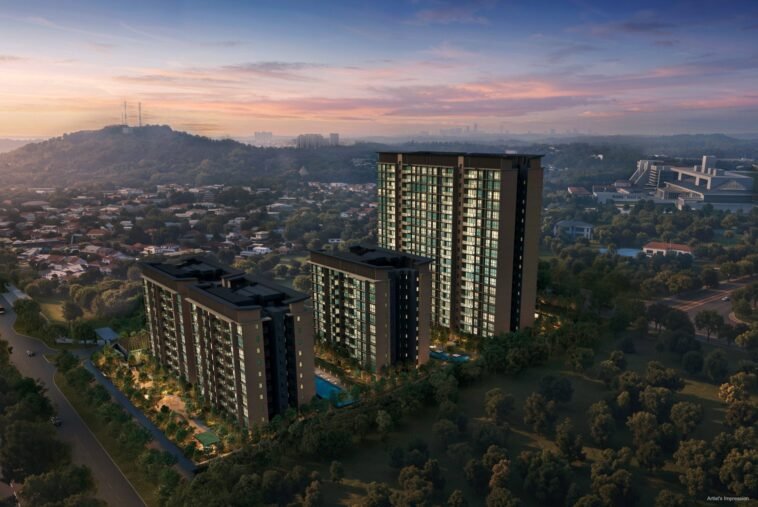
Buying a new condominium is an exciting milestone, whether you are eyeing a modern development in Lucerne Grand or a boutique property in the heart of the city. However, many buyers focus solely on the purchase price and overlook the ongoing expenses that quickly accumulate after signing the contract. Failing to account for these hidden fees can severely strain your monthly budget and turn your dream home into a financial burden. To protect your wallet, you must look beyond the initial down payment and showroom aesthetics. Spotting these covert expenses early in your property search ensures a smooth transition into homeownership without unpleasant financial surprises.
Decoding Maintenance Fees and Sinking Funds
Every condominium owner must pay monthly maintenance fees, but many buyers fail to realize how these costs are calculated. These fees typically depend on the share value of your unit, which is determined by its size. Larger units or those with private lift lobbies often carry a higher share value, leading to heftier monthly bills. Before committing to a purchase, request the estimated maintenance fee schedule from the developer or property agent. Smaller boutique developments like Thomson Reserve might distribute upkeep costs among fewer residents, which can sometimes lead to higher individual fees compared to massive mega-developments with hundreds of units.
Understanding the Sinking Fund
In addition to daily maintenance fees, a portion of your monthly contribution goes toward a sinking fund. This fund acts as a financial safety net for long-term capital expenses, such as repainting the entire building facade, replacing elevators, or upgrading security systems. If a building is older or has poor management, the sinking fund might run low. When this happens, the management corporation may levy a sudden, hefty lump-sum contribution on all owners to cover urgent repairs. Always ask to review the condominium’s financial statements and the current status of the sinking fund to avoid these unexpected financial demands.
Calculating Property Taxes and Legal Expenses
The financial commitment of buying a condo does not stop at the bank loan. Property taxes in Singapore are progressive and depend heavily on whether you live in the property or rent it out. Owner-occupiers enjoy significantly lower tax rates than property investors. If you purchase a unit in a premium residential enclave like Lucerne Grand with the intention of renting it out, you must calculate your annual value and prepare for the higher non-owner-occupier tax rates. Underestimating this annual expense can eat into your rental yields or stretch your personal cash flow.
Factoring in Transaction Fees
Legal fees and administrative charges also add up quickly during the transaction process. You will need to hire a conveyancing lawyer to handle the title deed transfer, mortgage registration, and CPF usage administration. These legal services generally cost between two thousand and three thousand dollars, depending on the complexity of the transaction. Additionally, you must prepare for the Buyer’s Stamp Duty (BSD) and potentially the Additional Buyer’s Stamp Duty (ABSD) if you already own other residential properties. These upfront transaction taxes must be paid in cash or through your CPF Ordinary Account within a strict timeline, meaning you cannot bundle them into your primary housing loan.
Anticipating Utility and Utility-Adjacent Costs
Living in a modern condominium offers unparalleled comfort, but it also introduces unique utility-related expenses. For instance, private lifts, extensive balcony lighting, and central air conditioning systems consume substantial amounts of electricity. When viewing properties like Thomson Reserve or similar premium residences, observe the built-in appliances and cooling systems. High-end, multi-split air conditioning units require regular, professional servicing at least three to four times a year to maintain efficiency and preserve your warranty. Neglecting this maintenance can lead to premature system failures and expensive replacement bills.
Smart Home and Telecommunication Infrastructure
Many newer developments feature integrated smart home systems that control lighting, security, and air conditioning via mobile applications. While convenient, these systems rely on subscription-based software platforms or specialized hardware that requires proprietary maintenance. If a smart panel malfunctions after the developer’s defect liability period expires, you will bear the full cost of repairs. Furthermore, verify the fiber broadband infrastructure of the building. Some older or highly exclusive developments may have limited service provider options, forcing you into more expensive internet and television subscription packages than you would otherwise choose in a standard public housing estate.
Budgeting for Insurance and Renovation Restrictions
While the management corporation maintains a master insurance policy for the entire building structure, this policy does not cover your personal belongings, internal fixtures, or third-party liabilities. Homeowners in master-planned estates like Lucerne Grand must purchase separate home contents insurance. This coverage protects your expensive renovations, furniture, and personal electronics against fire, water damage, or theft. If a pipe bursts inside your unit and damages your neighbor’s ceiling, a robust home insurance policy will prevent you from paying thousands of dollars in liability claims out of your own pocket.
Managing Renovation Guidelines and Deposits
Renovating a condominium is vastly different from renovating a landed home or a public flat. Management committees enforce strict guidelines regarding working hours, material delivery routes, and structural alterations. When planning modifications in a boutique setting like Thomson Reserve, you must submit detailed architectural plans to the management office for approval before work begins. Most developments also require a refundable renovation deposit, often ranging from one thousand to three thousand dollars. This deposit is held to cover any potential damage to common areas, such as elevators or hallways, caused by your contractors during the renovation process.
Conclusion
Purchasing a condominium is a significant financial commitment that extends far beyond the initial purchase price. By carefully analyzing monthly maintenance fees, property taxes, utility demands, and insurance requirements, you can build a realistic budget that protects your long-term financial health. Taking the time to investigate these hidden costs early in your property search allows you to make an informed, stress-free investment decision. Whether you choose a large-scale development or a cozy boutique residence, being financially prepared ensures that your new home remains a source of joy rather than a source of unexpected financial strain.



GIPHY App Key not set. Please check settings