 Balakumar L
Introduction
No single food can stop you from ever getting sick, but the truth is what’s on your plate genuinely shapes how well your immune system responds when it matters. Research keeps confirming that specific nutrients, from vitamin C to zinc to gut-friendly probiotics, play direct roles in immune cell production and function.
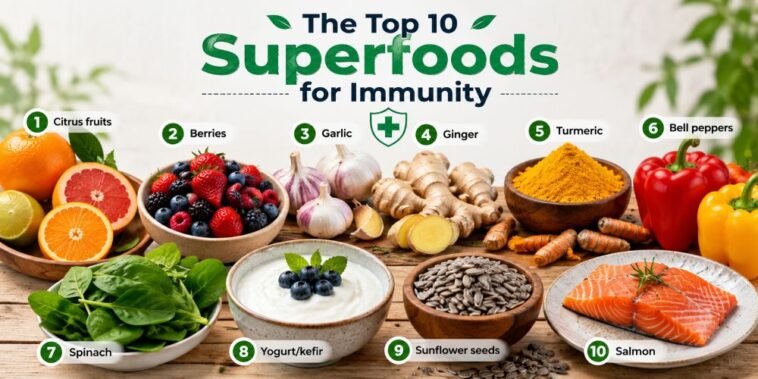
We pulled together the foods with the strongest research backing behind them, not just trending wellness claims. Here are the top 10 superfoods for boosting immunity naturally, along with what the science actually says about each one.
Table of Contents
- Key Highlights
- What Actually Makes a Food “Immune-Boosting”
- The Top 10 Superfoods for Immunity
- Important Nutrient Statistics Table
- How to Build an Immune-Supportive Diet (Step-by-Step)
- Pros and Cons Table
- Comparison Table: Top Immune-Supportive Foods
- Current Research and Trends in Immune Nutrition
- FAQs
- References
Key Highlights (Quick Facts)
- Research published in Frontiers in Immunology found that citrus fruits help reduce oxidative stress and support systemic inflammation control, with vitamin C and folate supporting several types of immune cells, including natural killer cells.
- There are more than 5,000 published research articles examining garlic’s role in immune function, according to nutrition researchers.
- A review published in the journal Molecules found that berries are rich in anthocyanins, potent antioxidant compounds linked to broader immune health benefits.
- The Linus Pauling Institute at Oregon State University has studied curcumin, the active compound in turmeric, for its antioxidant and anti-inflammatory properties.
- A large portion of the immune system resides in the gut, and probiotic-rich foods like yogurt and kefir support that immune signaling connection.
- Selenium, found in foods like sunflower seeds, supports antioxidant enzyme production, and research suggests adequate selenium levels may enhance the body’s response to vaccines.
- Vitamin D supplementation has been found in research to help with prevention of upper respiratory infections and influenza, according to studies cited in nutrition immunology reviews.
- Nutrition experts generally recommend five to nine servings of fruits and vegetables daily to support consistent, well-rounded immune function.
The truth is, immune health comes down to consistent patterns over time, not any single “miracle” ingredient. That said, some foods carry noticeably stronger research support than others, and this list focuses on exactly those.
What Actually Makes a Food “Immune-Boosting”
Before jumping into the rankings, here’s what the science actually points to when a food supports immune function.
Direct Nutrient Contribution
Vitamins A, C, D, E, and minerals like zinc and selenium are directly involved in producing and regulating immune cells, so foods rich in these nutrients have a clear, traceable mechanism.
Antioxidant and Anti-Inflammatory Compounds
Plant compounds like anthocyanins, curcumin, and allicin help reduce oxidative stress and chronic inflammation, both of which can interfere with healthy immune signaling over time.
Gut Microbiome Support
Since a large share of immune tissue lives in the gut, foods that support a healthy microbiome, like fermented and fiber-rich foods, have a real, researched connection to immune function.
Consistency Over Time
A single serving of any food will not meaningfully change your immune response. The research support behind these foods is about regular dietary patterns, not one-off “immunity shots.”
Whole Food Bioavailability
Nutrients from whole foods are generally better absorbed and utilized by the body than isolated supplements, which is part of why food-first approaches remain the foundation of most nutrition guidance.
The Top 10 Superfoods for Immunity
Here is our researched, no-fluff ranking of the foods with the strongest science behind supporting immune health.
1. Citrus Fruits
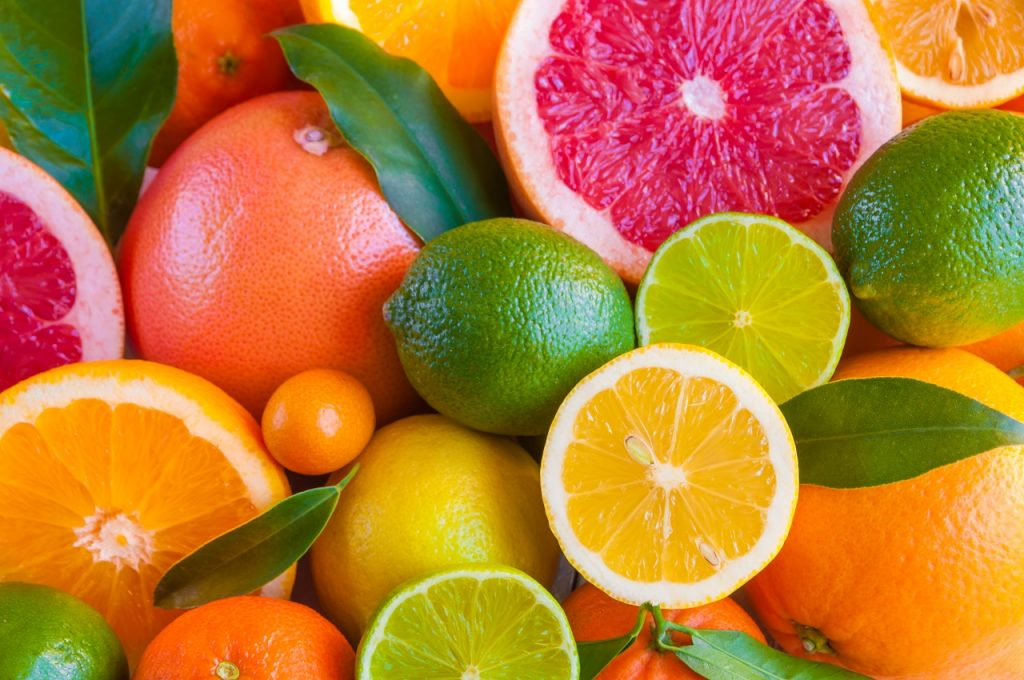
Oranges, lemons, grapefruit, and limes are the most well-known source of vitamin C, and for good reason. Research published in Frontiers in Immunology found that citrus fruit helps reduce oxidative stress to help control systemic inflammation, while the vitamin C and folate content support the function of many immune cell types, including natural killer cells.
Vitamin C also supports the skin’s barrier function, which is technically part of the immune system’s first line of defense against pathogens.
An assortment of fresh citrus fruits including oranges and lemons — vitamin C from whole fruit sources supports several types of immune cell function.
2. Berries
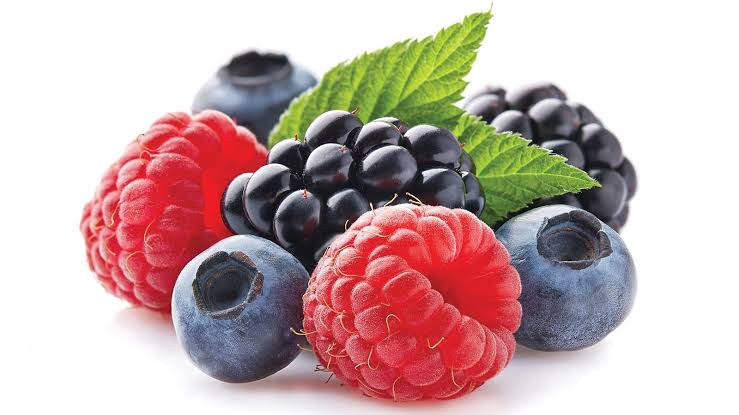
Blueberries, strawberries, blackberries, and raspberries all pack in vitamin C alongside a strong antioxidant profile. A review published in the journal Molecules highlighted that the vivid pigments in berries come from anthocyanins, compounds with well-documented antioxidant properties tied to broader health benefits, including immune support.
Berries are also relatively low in sugar compared to many other fruits, making them an easy daily addition without a major glycemic impact.
3. Garlic
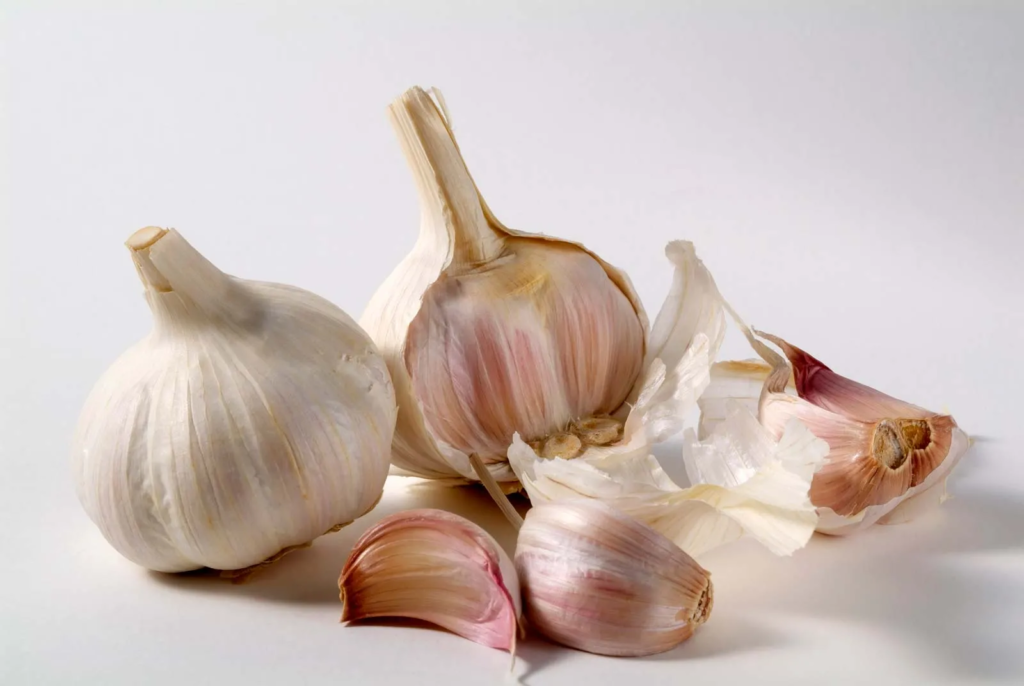
Garlic has been used for its medicinal properties across early civilizations, and modern research backs up much of that reputation. There are more than 5,000 published research articles examining garlic’s role in immune function, with its main bioactive compound, alliin, acting as an antibacterial agent, and allicin functioning as a natural antimicrobial once garlic is crushed or chopped.
Fresh garlic appears to offer more benefit than processed or pre-minced forms, so incorporating it into marinades, sauces, and roasted dishes close to preparation time is generally recommended.
4. Ginger
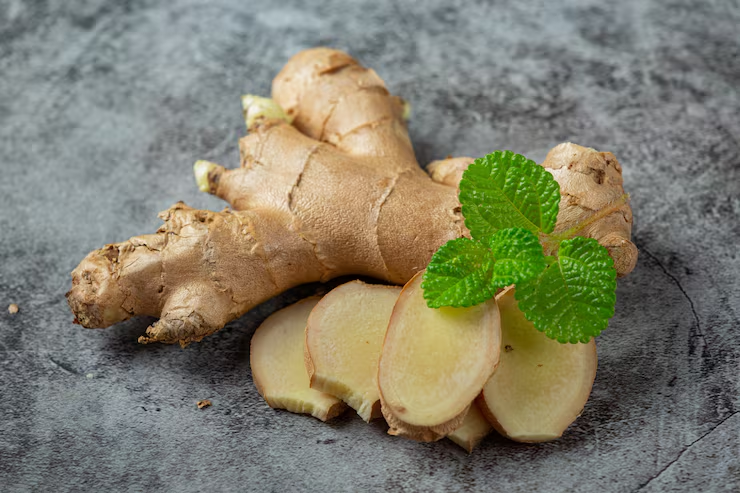
Ginger contains bioactive compounds called gingerols, which have demonstrated anti-inflammatory and antioxidant properties in laboratory studies. Many people reach for ginger specifically when they feel a cold coming on, and while it is not a cure, the research on its anti-inflammatory action does support a meaningful role in overall immune resilience.
Ginger is also commonly used to ease digestive discomfort, which indirectly supports the gut-immune connection researchers increasingly point to.
5. Turmeric
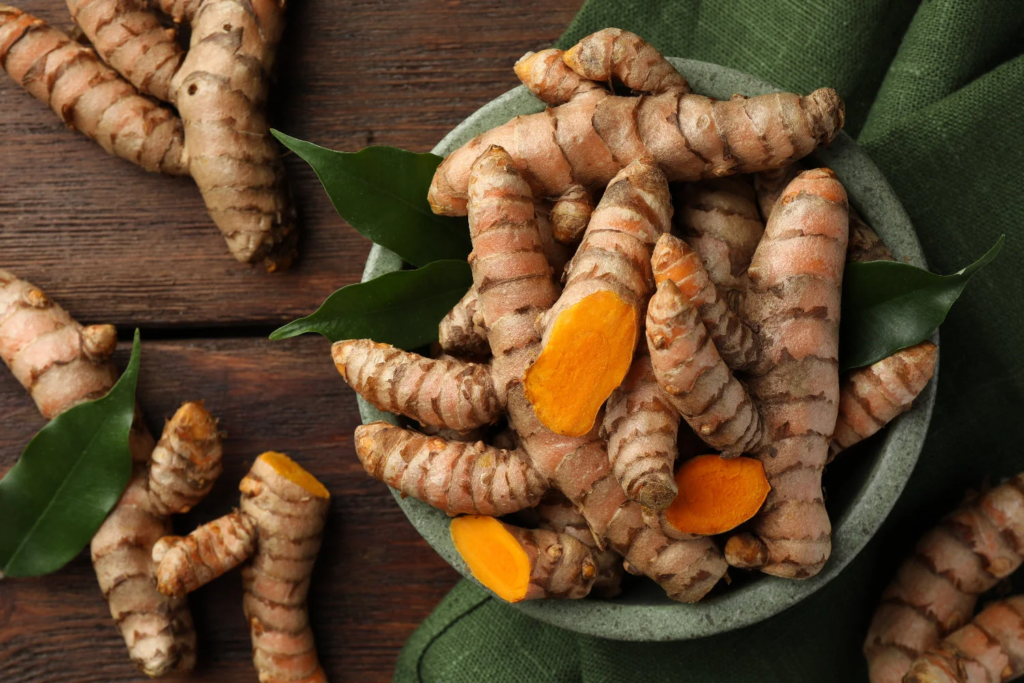
Turmeric contains curcumin, a compound studied extensively for its antioxidant and anti-inflammatory properties by researchers including the Linus Pauling Institute at Oregon State University. Some research suggests curcumin may help protect cells, including those involved in immune function, from oxidative stress.
Curcumin is not well absorbed on its own, so pairing turmeric with black pepper, which contains piperine, is a commonly recommended way to significantly improve its bioavailability.
Image: Fresh ginger and turmeric root on a wooden cutting board — both spices contain bioactive compounds studied for their anti-inflammatory effects on immune function.
6. Bell Peppers
Bell peppers, especially red ones, actually contain more vitamin C by weight than most citrus fruits, along with a strong dose of beta-carotene, which the body converts to vitamin A. Vitamin A plays a direct role in maintaining healthy skin and mucous membranes, both part of the body’s first line of physical defense against pathogens.
Because bell peppers are often eaten raw or lightly cooked, they retain more of their vitamin C content than foods that undergo extended cooking.
7. Spinach and Leafy Greens
Spinach and other dark leafy greens deliver a strong combination of vitamin C, beta-carotene, and additional antioxidants like flavonoids, all of which help the body manage oxidative stress. Research on plant-based, fiber-rich diets has also linked them to lower inflammatory biomarkers overall.
Lightly cooking spinach, such as steaming, actually helps the body absorb some of its nutrients more efficiently than eating it entirely raw, while still preserving more nutrients than boiling.
8. Yogurt and Kefir
A significant portion of the immune system resides in the gut, and fermented dairy products like yogurt and kefir supply live probiotic cultures that support a healthy gut microbiome. This gut-immune connection has become one of the more active areas of nutrition immunology research in recent years.
Look for products labeled with “live and active cultures” specifically, since some processed yogurts lose much of their probiotic content during manufacturing.
9. Sunflower Seeds and Nuts
Sunflower seeds are notably rich in vitamin E and selenium, both of which play distinct roles in immune support. Vitamin E helps regulate and maintain immune system function, while selenium supports the production of antioxidant enzymes that protect immune cells from damage, and research suggests adequate selenium levels may enhance the body’s response to vaccines.
A quarter-cup of sunflower seeds provides a meaningful amount of both nutrients, making them an easy addition to salads, granola, or as a standalone snack.
10. Fatty Fish (Salmon)
Salmon and other fatty fish provide zinc, which directly supports the development and function of certain immune cells, along with omega-3 fatty acids and, in many cases, vitamin D from fortified or wild-caught sources. Salmon is also relatively low in mercury compared to some other fish, according to registered dietitians at the Cleveland Clinic.
Because vitamin D deficiency has been linked to weaker immune response in research, fatty fish is one of the more direct dietary sources for people who get limited sun exposure.
Image: Grilled salmon fillet served with fresh vegetables — fatty fish supplies zinc, omega-3s, and often vitamin D, three nutrients closely tied to immune function.
Important Nutrient Statistics Table
| Food | Key Immune Nutrient(s) | Research Highlight |
|---|---|---|
| Citrus fruits | Vitamin C, folate | Supports natural killer cell function; reduces oxidative stress (Frontiers in Immunology) |
| Berries | Vitamin C, anthocyanins | Strong antioxidant profile linked to immune health (Molecules journal review) |
| Garlic | Allicin, alliin | Over 5,000 published studies on immune-related effects |
| Ginger | Gingerols | Demonstrated anti-inflammatory, antioxidant action in lab studies |
| Turmeric | Curcumin | Studied for antioxidant/anti-inflammatory effects (Linus Pauling Institute) |
| Bell peppers | Vitamin C, beta-carotene | Higher vitamin C by weight than most citrus fruits |
| Spinach | Vitamin C, beta-carotene, flavonoids | Linked to lower inflammatory biomarkers in plant-based diet research |
| Yogurt/kefir | Probiotics | Supports gut microbiome, a major site of immune activity |
| Sunflower seeds | Vitamin E, selenium | May enhance vaccine response per selenium research |
| Salmon | Zinc, omega-3s, vitamin D | Vitamin D linked to reduced upper respiratory infection risk |
How to Build an Immune-Supportive Diet (Step-by-Step)
- Aim for five to nine servings of fruits and vegetables daily, prioritizing variety and color across your plate rather than relying on one single food.
- Include a probiotic-rich food most days, such as yogurt, kefir, sauerkraut, or kimchi, to support the gut-immune connection.
- Pair fat-soluble nutrients with healthy fats, since vitamins A, D, and E, along with curcumin, absorb better alongside a source of fat like olive oil or nuts.
- Use fresh garlic and ginger regularly in cooking rather than relying solely on supplements, since whole-food bioavailability tends to be stronger.
- Limit ultra-processed foods and excess added sugar, which research links to disrupted gut health and increased inflammation over time.
- Prioritize consistent sleep, movement, and stress management alongside diet, since nutrition alone cannot offset chronically poor sleep or high stress.
- Talk to a healthcare provider before adding supplements, especially at high doses or if you have underlying health conditions.
Pros and Cons Table
| Food | Pros | Cons |
|---|---|---|
| Citrus fruits | Widely available, high vitamin C, easy to add daily | Acidic; may irritate reflux or sensitive teeth in some people |
| Berries | Antioxidant-rich, low glycemic impact | Fresh berries can be pricier and spoil quickly |
| Garlic | Extremely well-researched, cheap, versatile | Raw garlic can cause digestive discomfort for some |
| Ginger | Anti-inflammatory, aids digestion too | Strong flavor isn’t for everyone; can interact with blood thinners |
| Turmeric | Strong anti-inflammatory research base | Poor absorption without black pepper or fat |
| Bell peppers | Very high vitamin C, minimal prep needed | Nightshade sensitivity affects a small subset of people |
| Spinach | Nutrient-dense, versatile in cooking | Contains oxalates, a concern for people prone to kidney stones |
| Yogurt/kefir | Direct gut-microbiome support | Some products are high in added sugar; check labels |
| Sunflower seeds | Good source of vitamin E and selenium | Easy to overeat calorie-dense seeds/nuts |
| Salmon | Provides zinc, omega-3s, and vitamin D together | Wild-caught can be expensive; farmed varies in quality |
Comparison Table: Top Immune-Supportive Foods
| Food | Best Eaten | Serving Idea | Complements Well With |
|---|---|---|---|
| Citrus fruits | Raw, fresh | 1 medium orange or 1 cup juice | Yogurt, salads |
| Berries | Raw or lightly cooked | 1 cup fresh or frozen | Oats, yogurt |
| Garlic | Fresh, lightly cooked | 1-2 cloves, crushed before cooking | Olive oil, roasted vegetables |
| Ginger | Fresh, grated or steeped | 1-inch piece or as tea | Turmeric, citrus |
| Turmeric | Cooked, with black pepper | 1/2 to 1 teaspoon | Black pepper, healthy fats |
| Bell peppers | Raw or lightly sautéed | 1 cup sliced | Hummus, salads |
| Spinach | Steamed or lightly sautéed | 1-2 cups | Olive oil, garlic |
| Yogurt/kefir | Plain, unsweetened | 1 cup | Berries, seeds |
| Sunflower seeds | Raw or roasted, unsalted | 1/4 cup | Salads, granola |
| Salmon | Baked, grilled, or steamed | 3-4 oz serving | Leafy greens, citrus |
Image: A colorful bowl of mixed vegetables, berries, and seeds — variety and color across meals is consistently linked to stronger overall immune nutrition.
Current Research and Trends in Immune Nutrition
Nutrition science around immunity keeps evolving, and a few themes stand out in recent research.
The Gut-Immune Connection Keeps Strengthening
Ongoing research continues to reinforce how much immune activity is centered in the gut, pushing fermented and fiber-rich foods further into mainstream nutrition guidance rather than being treated as a niche wellness trend.
Vitamin D Research Remains a Major Focus
Studies on vitamin D supplementation and its role in preventing upper respiratory infections and influenza continue to be cited heavily in nutrition immunology reviews, reinforcing the importance of food sources like fatty fish alongside safe sun exposure.
Whole-Food Sources Are Favored Over Isolated Supplements
Recent nutrition guidance increasingly emphasizes that bioactive compounds, like curcumin or anthocyanins, tend to work best as part of a whole food and diet pattern rather than as concentrated, isolated supplements.
Plant-Centric Eating Patterns Continue to Gain Research Support
A plant-centric diet rich in vegetables, whole grains, and fruits has been shown in research to lower inflammatory biomarkers, reinforcing the “five to nine servings a day” guidance found across multiple nutrition studies.
Sleep and Stress Are Increasingly Studied Alongside Diet
Research published in Nature Reviews Immunology has found that even short-term sleep deprivation can significantly reduce natural killer cell activity, a reminder that diet alone cannot fully offset poor sleep or chronic stress.
FAQs About Superfoods for Immunity
Can any single food actually “boost” my immune system? No single food works like a switch. Research supports specific nutrients and compounds, like vitamin C, zinc, and probiotics, playing real roles in immune function, but consistent dietary patterns matter more than any one “miracle” food.
What is the best food for vitamin C to support immunity? Bell peppers actually contain more vitamin C by weight than most citrus fruits, though citrus remains one of the most convenient and widely available sources.
Do probiotics in yogurt really affect immune health? Yes, to a meaningful degree. A large portion of the immune system resides in the gut, and probiotic-rich foods support gut microbiome health, which research increasingly links to stronger immune signaling.
Is turmeric actually effective, or is it mostly hype? Turmeric’s active compound, curcumin, has real research behind its antioxidant and anti-inflammatory properties, though absorption is poor unless paired with black pepper or a source of fat.
How many servings of fruits and vegetables should I eat for immune support? Nutrition experts generally recommend five to nine servings of fruits and vegetables daily, prioritizing variety and color rather than repeating the same one or two foods.
Can diet alone prevent me from getting sick? No. Diet is one factor among several, including sleep, stress management, and hygiene. Research shows even short-term sleep deprivation can significantly reduce immune cell activity, regardless of diet quality.
Should I take supplements instead of eating these foods? Whole foods are generally better absorbed and utilized than isolated supplements. If you’re considering supplements, especially at high doses, it’s best to talk with a healthcare professional first, particularly if you have underlying health conditions.
Conclusion
There is no single superfood that guarantees you won’t get sick, but the science is genuinely clear that citrus, berries, garlic, ginger, turmeric, bell peppers, leafy greens, fermented dairy, seeds, and fatty fish all carry real, researched roles in supporting immune function. Build these into consistent daily patterns rather than treating them as occasional fixes, and pair good nutrition with solid sleep and stress management for the strongest overall effect.
This article is for general informational purposes and is not a substitute for professional medical advice. If you have underlying health conditions or are considering significant dietary changes or supplements, please consult a healthcare provider.
References
- Frontiers in Immunology — Research on Citrus Fruit and Oxidative Stress Control
- Molecules (journal) — Review Article on Berries, Anthocyanins, and Antioxidant Health Benefits
- Linus Pauling Institute, Oregon State University — Curcumin Research Summary
- University of Rochester Medical Center — Garlic, Alliin, and Immune Function
- NCBI/PMC — “Common Foods for Boosting Human Immunity: A Review”
- Cleveland Clinic — Julia Zumpano, RD, LD, on Salmon and Immune Nutrition
- Nature Reviews Immunology — Research on Sleep Deprivation and Natural Killer Cell Activity
- Healthline — Foods That Boost the Immune System, Reviewed Overview
- Cozymeal — Nutritionist-Reviewed Immune-Boosting Foods List
- Walk-In Lab Resource Center — Immune-Boosting Foods Backed by Science
- EatThis.com — 10 Best Foods to Boost Your Immunity, Backed by Science
- The Science of Good Health — Evidence-Based Strategies for Immune Support



GIPHY App Key not set. Please check settings