 Sakthi Varna
Introduction
Tennis has produced hundreds of great champions, but only a handful ever reach true legend status. Ranking the best players of all time is never simple — different eras, different rackets, different levels of competition. Still, when you line up the Grand Slam counts, the weeks at world No. 1, and the sheer weight of history, a clear top 10 starts to take shape.
If you have ever argued with a friend about who the real tennis GOAT is, this list settles the debate using hard numbers, not just nostalgia. Here are the top 10 best tennis players of all time, ranked by achievement, dominance, and lasting impact on the sport.
Table of Contents
- Key Highlights
- What Makes a Tennis Player the “Greatest” of All Time
- The Top 10 Best Tennis Players of All Time
- Important Statistics Table
- How These Players Are Ranked (Step-by-Step)
- Pros and Cons of the Leading GOAT Candidates
- Comparison Table: Top Tennis Legends
- Current Trends in the Tennis GOAT Debate
- FAQs
- References
Key Highlights (Quick Facts)
- Novak Djokovic holds the all-time men’s record with 24 Grand Slam singles titles, more than any other man in tennis history.
- Margaret Court holds the overall all-time Grand Slam singles record with 24 titles across the amateur and Open Eras.
- Serena Williams owns the Open Era women’s record with 23 Grand Slam singles titles.
- Steffi Graf remains the only player, man or woman, to complete a calendar-year Golden Slam, winning all four majors plus Olympic gold in the same season, in 1988.
- Djokovic, Federer, and Nadal — known as the “Big Three” — combined for 66 Grand Slam titles across their careers, the most dominant stretch in men’s tennis history.
- Roger Federer spent 310 weeks at world No. 1 and holds the men’s record of 8 Wimbledon titles.
- Rafael Nadal owns the outright record for any single major, with 14 French Open titles.
- Carlos Alcaraz became the youngest man in the Open Era to complete a career Grand Slam, winning all four majors before his 23rd birthday.
Greatness in tennis is not just about trophy counts. It is about longevity, dominance across different surfaces, and how much a player changed the sport itself. That is exactly how this list was built.
What Makes a Tennis Player the “Greatest” of All Time
Before jumping into the rankings, here is what actually separates a legend from a very good champion.
Grand Slam Titles
This is the most obvious marker. Winning the Australian Open, French Open, Wimbledon, and US Open is still the clearest measure of sustained excellence in tennis.
Weeks at World No. 1
Winning one big tournament is impressive. Staying at the top of the rankings for years, sometimes decades, shows a completely different level of consistency.
Dominance Across Surfaces
Clay, grass, and hard courts each demand different skills. Players who mastered all three, like Nadal, Federer, and Djokovic, separate themselves from surface specialists.
Head-to-Head Record and Rivalries
Beating good players occasionally is normal. Beating the best players of your own era, repeatedly, at the biggest stages, is what builds a legacy.
Longevity and Impact on the Sport
The truly great players do not just win — they change how the game is played, marketed, and watched by millions worldwide.
The Top 10 Best Tennis Players of All Time
Here is our researched, no-fluff ranking of tennis history’s biggest legends.
1. Novak Djokovic (Serbia)
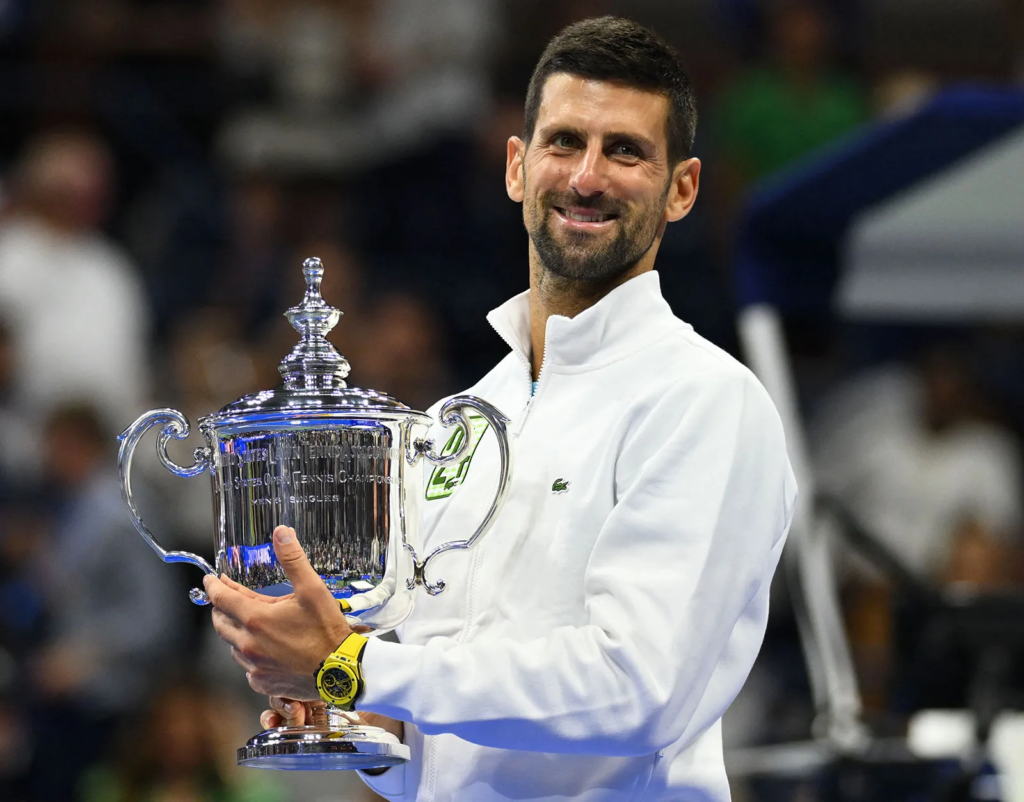
Djokovic sits at the very top with 24 Grand Slam singles titles, the most of any male player in history. He also holds the men’s record for weeks at world No. 1, with a total well past 400 weeks, and has won a record 10 Australian Open titles alone.
What makes Djokovic remarkable is his balance — a return of serve widely considered the best in tennis history, elite movement, and a mental toughness that let him win deep into his late thirties, still competing with players half his age.
2. Margaret Court (Australia)
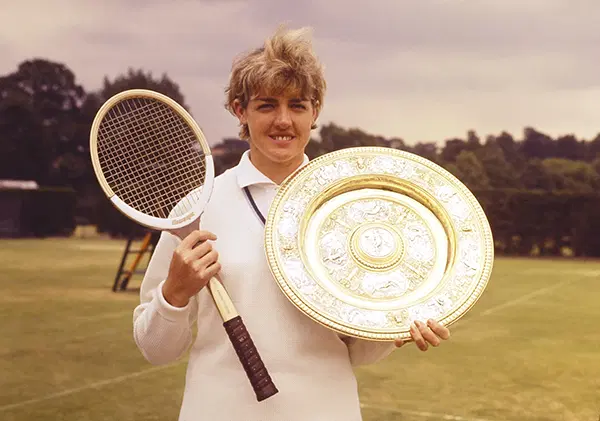
Margaret Court holds the all-time record for Grand Slam singles titles with 24, spanning both the amateur era and the early Open Era. Her dominance, especially on grass, included 11 Australian Open titles and 3 Wimbledon crowns.
While her career predates modern tennis coverage, the sheer number of titles keeps her firmly in any serious all-time greatest debate.
3. Serena Williams (USA)
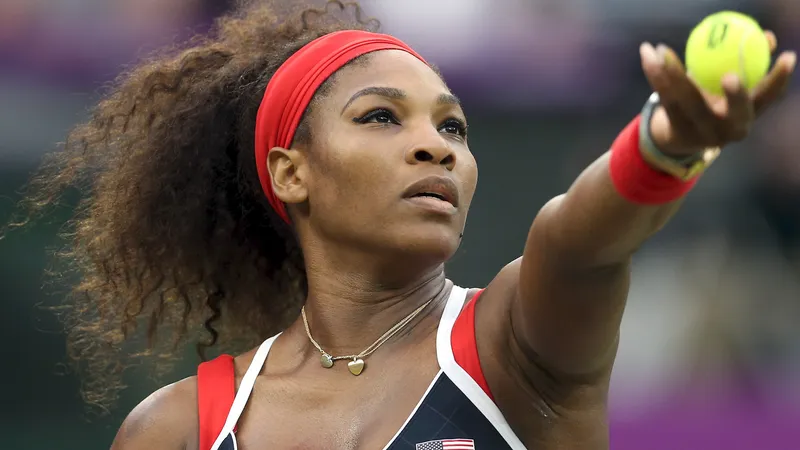
Serena Williams holds the Open Era record with 23 Grand Slam singles titles, just one behind Court’s all-time mark. She also won four Olympic gold medals and completed a non-calendar-year Golden Slam early in her career.
Her combination of a dominant serve, raw power, and mental resilience redefined what physicality looks like in women’s tennis, and she remained a title contender well into her late thirties.
Image: A player serving during a major tournament — power serving has become a defining trait among the greatest champions in tennis history.
4. Roger Federer (Switzerland)
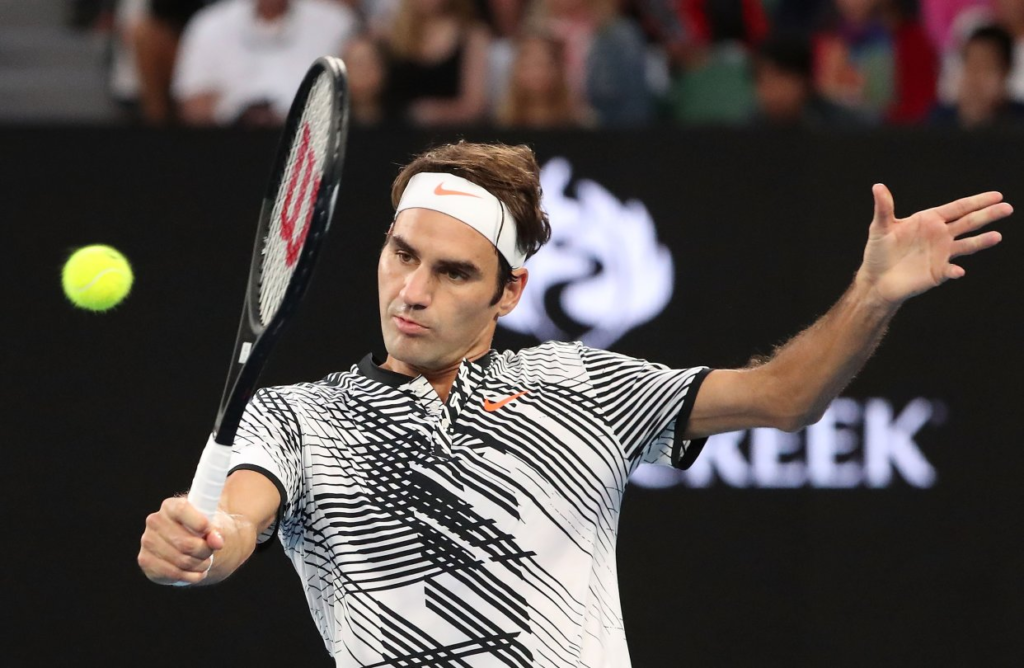
Federer won 20 Grand Slam singles titles, including a men’s record 8 Wimbledon crowns. He spent 310 weeks at world No. 1 and is often credited with popularizing tennis to a global audience through his elegant, all-court style.
Even players who rank him below Djokovic or Nadal statistically usually admit Federer’s impact on how the sport is watched and marketed has no real rival.
5. Rafael Nadal (Spain)
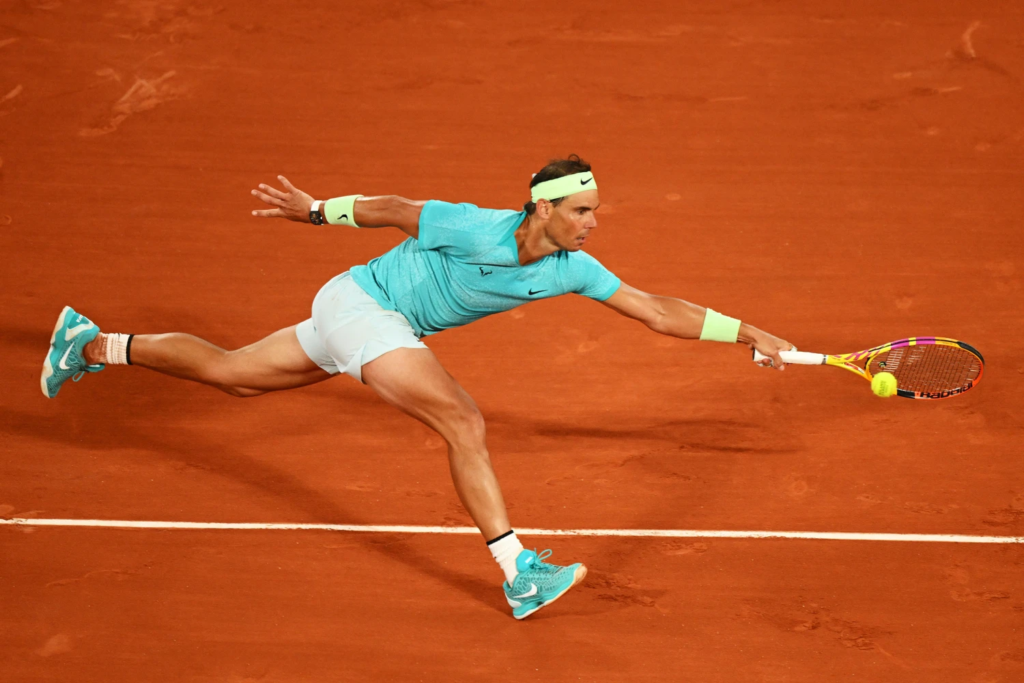
Nadal finished his career with 22 Grand Slam singles titles, including an all-time record 14 French Open crowns — more than double the next closest player on that specific list. Known as the King of Clay, Nadal also completed a career Grand Slam and an Olympic gold medal, achieving a Career Golden Slam.
His relentless intensity and physical fight on every single point became a signature that inspired an entire generation of baseline players.
6. Steffi Graf (Germany)
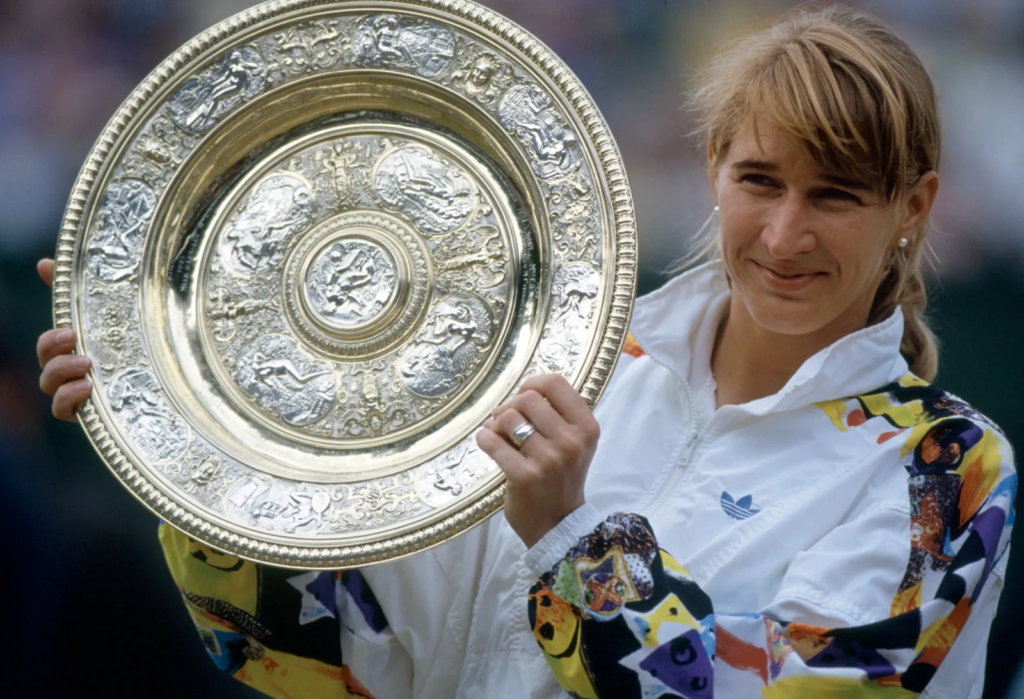
Graf remains the only player in tennis history, male or female, to complete a calendar-year Golden Slam, winning all four majors and Olympic gold in the same season, back in 1988. She finished with 22 Grand Slam singles titles and spent a record 377 weeks at world No. 1.
Her combination of footwork and a powerful forehand made her nearly untouchable across every surface during her peak years.
7. Martina Navratilova (Czechoslovakia/USA)
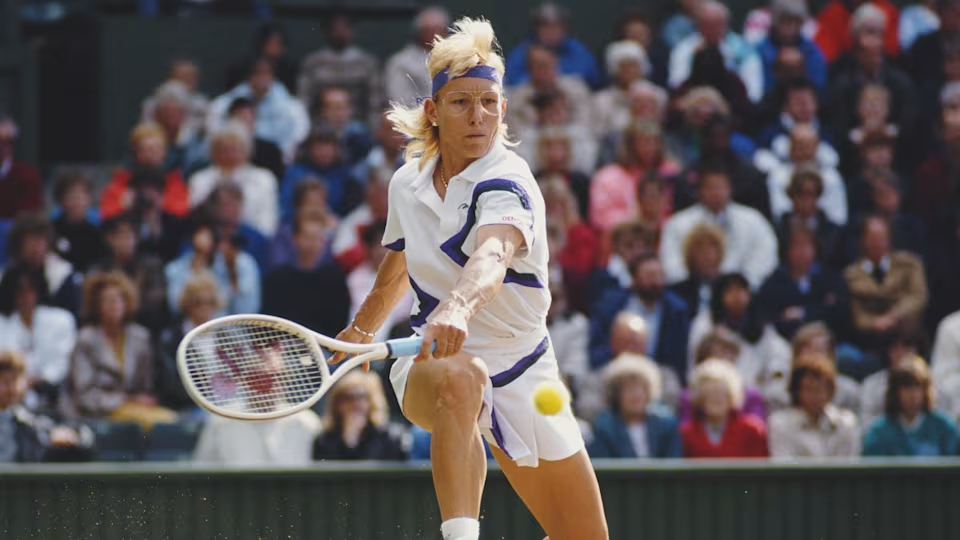
Navratilova won 18 Grand Slam singles titles, but her real dominance came through her all-court game and an incredible doubles résumé, including 31 Grand Slam doubles titles. Her rivalry with Chris Evert is still considered one of the greatest in tennis history.
Few players in tennis history have matched her longevity, with a competitive career spanning four different decades.
Image: A packed tennis stadium during a major final — sustained fan interest over decades separates true legends from short-term champions.
8. Pete Sampras (USA)
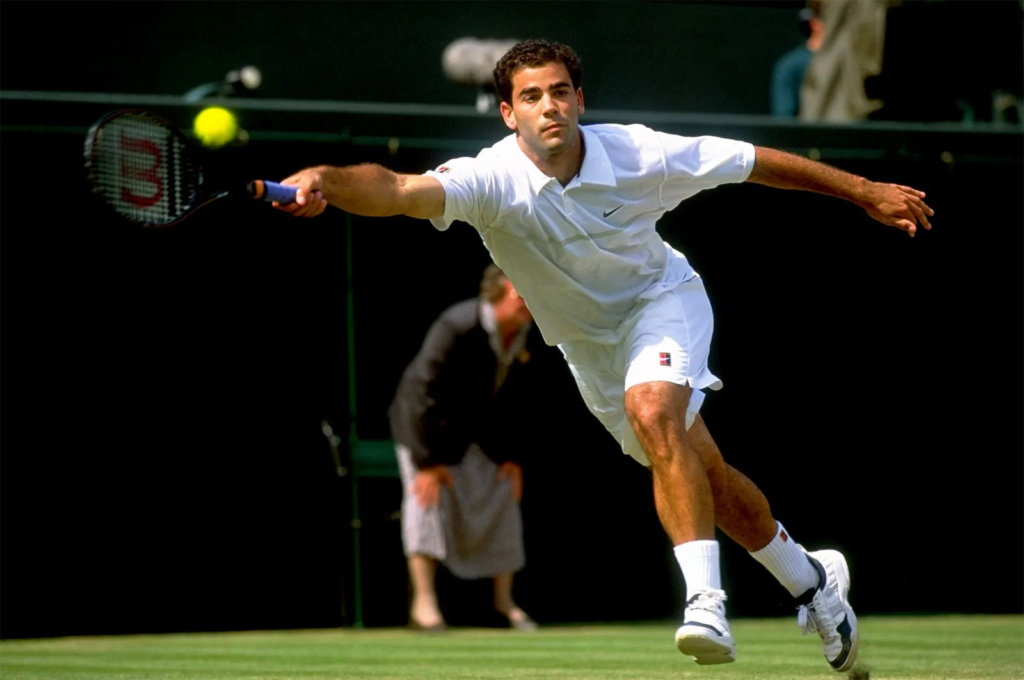
Before the Big Three era, Sampras held the men’s Grand Slam record with 14 titles, dominating grass and hard courts with one of the most feared serves in tennis history. He finished six straight seasons as year-end world No. 1, a record at the time.
His serve-and-volley game defined an entire era before the sport shifted toward baseline power.
9. Rod Laver (Australia)
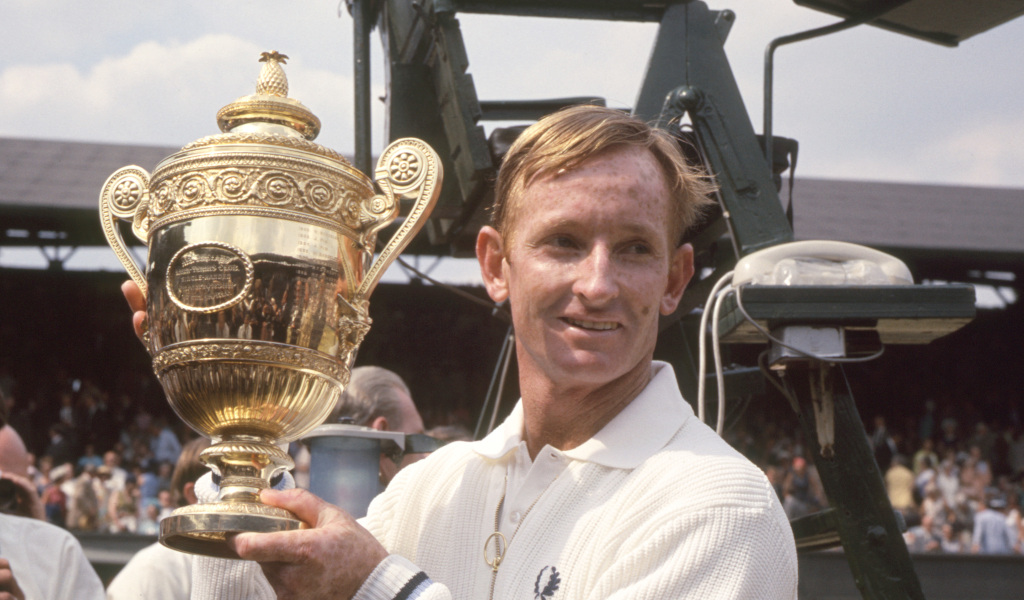
Laver remains the only player in the Open Era to win the calendar-year Grand Slam, and remarkably, he did it twice — in 1962 and again in 1969. His achievement is considered by many historians as the single hardest record in tennis to ever break.
Laver’s legacy is so respected that the main stadium at the Australian Open, Rod Laver Arena, carries his name.
10. Carlos Alcaraz (Spain)
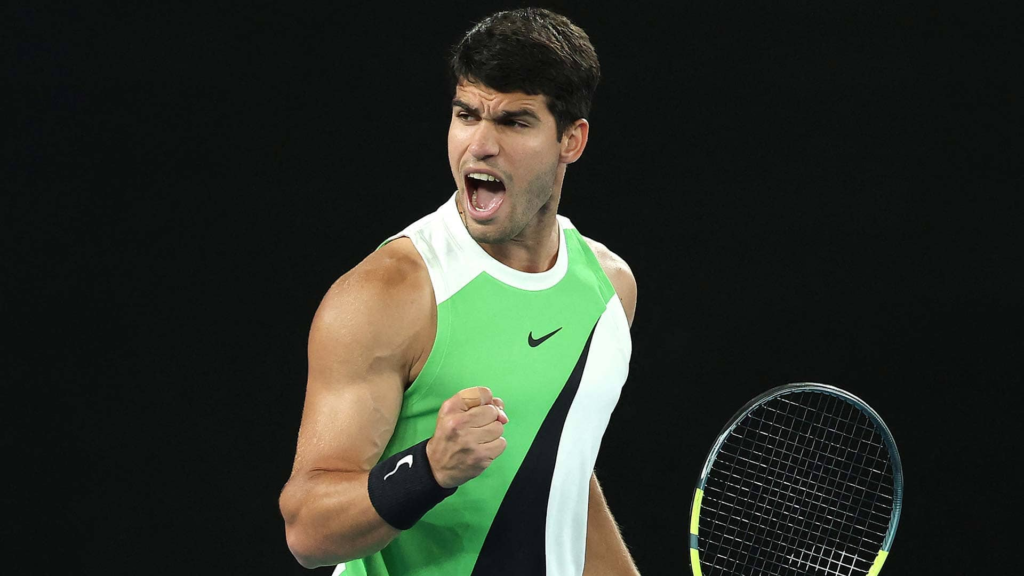
Alcaraz is the newest name to join this conversation, becoming the youngest man in the Open Era to complete a career Grand Slam, finishing the set before his 23rd birthday. His combination of speed, power, and shot variety has drawn comparisons to Nadal and Federer combined into one player.
He is still early in his career, but the trajectory already places him firmly among the sport’s most talked-about future greats.
Important Statistics Table
| Player | Grand Slam Titles | Weeks at World No. 1 | Signature Record |
|---|---|---|---|
| Novak Djokovic | 24 | 428+ | Most Australian Open titles (10) |
| Margaret Court | 24 | N/A (pre-rankings era) | All-time Grand Slam singles record |
| Serena Williams | 23 | 319 | Open Era women’s Grand Slam record |
| Roger Federer | 20 | 310 | Most Wimbledon titles (8) |
| Rafael Nadal | 22 | 209 | Most French Open titles (14) |
| Steffi Graf | 22 | 377 | Only calendar-year Golden Slam |
| Martina Navratilova | 18 singles | 332 | 31 Grand Slam doubles titles |
| Pete Sampras | 14 | 286 | 6 straight year-end No. 1 finishes |
| Rod Laver | 11 | N/A (pre-rankings era) | Two calendar-year Grand Slams |
| Carlos Alcaraz | 7 (and rising) | Multiple stints | Youngest career Grand Slam winner |
How These Players Are Ranked (Step-by-Step)
- Count verified Grand Slam singles titles from official ATP, WTA, and Grand Slam tournament records.
- Check total weeks at world No. 1, using official rankings data where available.
- Review surface dominance — clay, grass, and hard court performance across a full career.
- Weigh head-to-head results against other elite players from the same era.
- Factor in unique records that no other player has matched, such as a Golden Slam or a specific major title count.
- Consider longevity and career span, since sustained excellence carries more weight than a short peak.
- Rank based on the combined weight of all six factors above.
Pros and Cons of the Leading GOAT Candidates
| Player | Pros | Cons |
|---|---|---|
| Novak Djokovic | Most majors, most weeks at No. 1, dominant on all surfaces | Less beloved by casual fans compared to Federer or Nadal |
| Margaret Court | All-time record title count | Career mostly predates modern competitive depth |
| Serena Williams | Open Era women’s record, incredible power and longevity | Slightly behind Court’s all-time total |
| Roger Federer | Global popularity, elegant all-court game, huge Wimbledon record | Fewer majors than Djokovic and Nadal |
| Rafael Nadal | Unmatched clay dominance, fierce competitive spirit | Injuries limited his hard-court peak years |
| Steffi Graf | Only Golden Slam winner, dominant across surfaces | Career ended before the modern professional era |
| Martina Navratilova | Incredible longevity, doubles dominance | Fewer singles majors than the top names |
| Pete Sampras | Defined an era, dominant serve | Weaker record on clay courts |
| Rod Laver | Unmatched calendar Grand Slam achievement | Played before prize money and rankings existed in modern form |
| Carlos Alcaraz | Youngest career Grand Slam winner, still improving | Career total still far behind established legends |
Comparison Table: Top Tennis Legends
| Player | Country | Career Span | Best Surface | Career Grand Slam |
|---|---|---|---|---|
| Novak Djokovic | Serbia | 2003–present | Hard court | Yes (three times) |
| Margaret Court | Australia | 1960–1977 | Grass | Yes |
| Serena Williams | USA | 1995–2022 | Hard court | Yes |
| Roger Federer | Switzerland | 1998–2022 | Grass | Yes |
| Rafael Nadal | Spain | 2001–2024 | Clay | Yes (twice) |
| Steffi Graf | Germany | 1982–1999 | All surfaces | Yes (Golden Slam) |
| Martina Navratilova | Czechoslovakia/USA | 1975–2006 | Grass | Yes |
| Pete Sampras | USA | 1988–2002 | Grass/Hard | No (never won French Open) |
| Rod Laver | Australia | 1962–1979 | Grass | Yes (twice, calendar year) |
| Carlos Alcaraz | Spain | 2018–present | Hard court | Yes |
Image: A tennis court with fresh white lines and a net at center — surface versatility remains one of the clearest ways to separate all-time greats from era specialists.
Current Trends in the Tennis GOAT Debate
The conversation around the greatest tennis player of all time keeps shifting as new records fall and new stars emerge.
The Big Three Era Set an Impossible Bar
Djokovic, Federer, and Nadal combined for 66 Grand Slam titles between them, a level of sustained excellence across one era that many analysts believe may never be repeated.
A New Generation Is Closing the Gap
Carlos Alcaraz has already completed a career Grand Slam before turning 23, doing it faster than any man in the Open Era. His rise, alongside other young contenders, is reshaping how fans think about the next chapter of the GOAT conversation.
Weeks at No. 1 Are Getting More Attention
Fans and analysts increasingly point to total weeks at world No. 1, not just title counts, as a truer test of sustained dominance, which keeps Djokovic, Graf, and Federer central to the debate.
Cross-Era Comparisons Remain Controversial
Better racket technology, sports science, and physical conditioning make it genuinely difficult to compare players like Rod Laver or Margaret Court directly against modern stars, and that debate is far from settled.
Women’s Tennis Records Are Still Being Rewritten
With Serena Williams just one major behind Margaret Court’s all-time record, the debate over the true women’s GOAT remains one of the most active discussions in the sport today.
FAQs About the Best Tennis Players of All Time
Who is considered the greatest tennis player of all time? Most rankings place Novak Djokovic at the top for men’s tennis due to his record 24 Grand Slam titles and most weeks at world No. 1, while Margaret Court holds the overall all-time record across both genders with 24 titles.
Who has won the most Grand Slam titles among women? Margaret Court holds the all-time record with 24 Grand Slam singles titles, while Serena Williams holds the Open Era record with 23.
Is Roger Federer or Novak Djokovic the greater player? Djokovic leads in total Grand Slam titles, weeks at No. 1, and head-to-head record against Federer, but Federer is often credited with greater popularity and impact on the sport’s global growth.
Who is the only player to win a calendar-year Golden Slam? Steffi Graf is the only player in tennis history to win all four Grand Slam titles plus Olympic gold in the same calendar year, achieving this in 1988.
Why is Rafael Nadal called the King of Clay? Nadal won a record 14 French Open titles, more than double the total of any other player at a single Grand Slam event, making him the most dominant clay-court player in tennis history.
Is Carlos Alcaraz already among the all-time greats? Alcaraz has completed a career Grand Slam faster than any man in the Open Era, but his total title count is still far behind established legends, so most experts see him as a future contender rather than a finished GOAT case.
What separates a great tennis player from a true legend? True legends combine Grand Slam titles, extended time at world No. 1, dominance across multiple surfaces, and a lasting impact on how the sport is played and watched.
Conclusion
Ranking the best tennis players of all time will always spark debate, because greatness in this sport shows up in different forms — raw title counts, weeks at the top, or sheer influence on the game. Djokovic, Court, Serena, Federer, and Nadal each earned their place through numbers that speak for themselves, while names like Graf, Navratilova, Sampras, and Laver remind us that dominance looked different in every era. And with Alcaraz already chasing history, this list is far from finished.
References
- ATP Tour — Grand Slams: Tournaments, Records, Stats
- Wikipedia — List of Grand Slam Men’s Singles Champions
- Wikipedia — Open Era Tennis Records, Men’s Singles
- Wikipedia — Big Three (Tennis)
- ESPN — Who Has Won the Most Grand Slams in Tennis History
- Statista — Most Men’s Tennis Grand Slam Titles
- Olympics.com — Best Tennis Players in the World, From Federer to Serena Williams
- Man of Many — 15 Best Tennis Players of All Time
- SUPER.TENNIS — Most Grand Slam Titles in Tennis History
- UTR Sports — Who Is the Greatest Tennis Player of All Time
- International Tennis Hall of Fame — Player Records and Profiles
- Sports Reference (Tennis Abstract) — Historical Rankings Data



GIPHY App Key not set. Please check settings