 Balakumar L
A saree is not just clothing. It carries a region, a craft, a generation. But with hundreds of brands competing for your attention — from legacy silk houses to Instagram-born boutiques — knowing which one to trust is genuinely difficult. This guide cuts through all of it. Here are the best saree brands in India in 2026, ranked by quality, authenticity, price-to-value, and real buyer feedback.
Table of Contents
- Key Highlights
- Why the Indian Saree Market Is Booming in 2026
- Top 10 Best Saree Brands in India 2026
- India Saree Market Statistics 2026
- How to Choose the Right Saree Brand
- Pros and Cons of Saree Types
- Top 10 Saree Brands Comparison Table
- 2026 Trends & News in Indian Sarees
- FAQ
- References
Key Highlights
- India’s saree market was valued at USD 6.15 billion in 2025 and is projected to reach USD 10.77 billion by 2034 at a CAGR of 6.43% (IMARC Group, 2026)
- Cotton sarees dominate the market with a 23% share in 2025, followed by silk and synthetic variants (IMARC Group, 2026)
- The global handloom sarees market reached USD 4.30 billion in 2026 — projected to double to USD 8.65 billion by 2034 (Tamal Boutique, 2026)
- Indian ethnic wear market overall is valued at USD 250 billion in 2026, growing at 12.6% CAGR (Business Research Insights, 2026)
- India’s saree market is more than ₹50,000 crore domestically, with e-commerce driving rapid growth (Growthpolis, 2026)
- Government GI tags protect iconic weaves — Kanjeevaram, Banarasi, Paithani, Chanderi, and 35+ others — boosting authentic brand value
- 27% of Gen Z women in India now prefer handloom and sustainable sarees over fast-fashion alternatives (Accio Market Research, 2026)
- Sabyasachi and Nalli Silks consistently rank as the most searched Indian saree brands globally in 2026
Why the Indian Saree Market Is Booming in 2026
The saree was never going anywhere. But 2026 is proving it is actively growing.
Key factors driving the India saree market include increasing workforce participation among women requiring professional ethnic wear, government initiatives supporting handloom artisans and heritage textile preservation, and evolving occasion-specific fashion categories that encourage diversified wardrobe collections.
There’s also a strong sustainability angle. Consumers, especially younger buyers, are choosing products that support artisans, preserve cultural heritage, and reduce environmental harm. Brands that work directly with weavers — and can prove it — are pulling ahead of factory-line competitors.
Online is the other big shift. Platforms like Myntra, Amazon India, Ajio, and brand-owned websites have made it possible to buy an authentic Banarasi silk saree from a Varanasi weaver and receive it in Mumbai in two days. That wasn’t possible five years ago.
[Image: Vibrant collection of Indian silk sarees in traditional weaves — best saree brands India 2026]
Top 10 Best Saree Brands in India 2026 (Ranked)
1. Sabyasachi Mukherjee
Type: Luxury Bridal & Designer | Price Range: ₹80,000 – ₹5,00,000+ Buy: sabyasachi.com | Pernia’s Pop-Up Shop
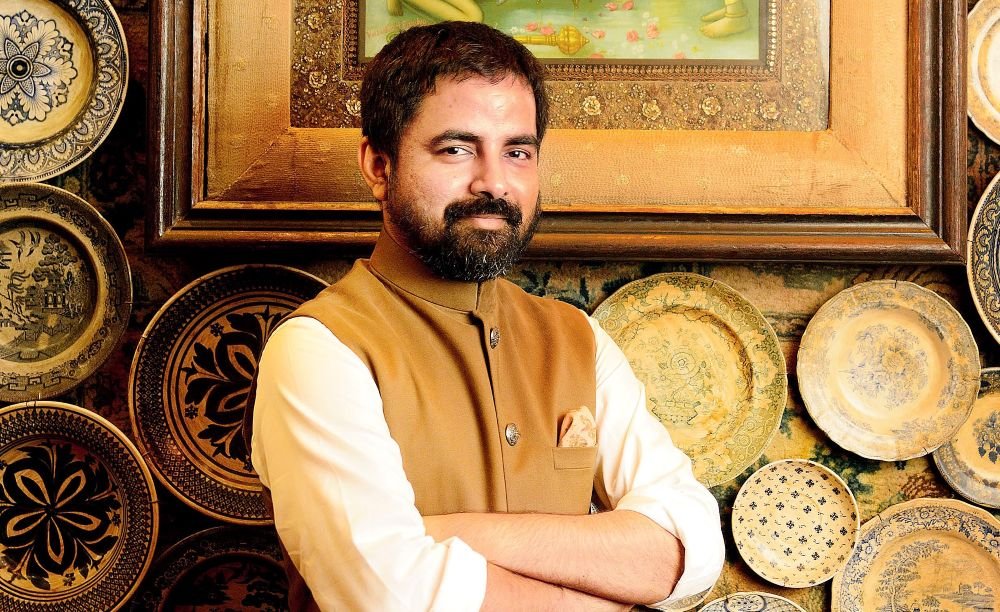
Sabyasachi has transformed Indian bridal fashion globally. Known for regal textures, heritage revivalism, and impeccable craftsmanship, this Kolkata-born designer’s sarees feel like wearable heirlooms. Rich silks, vintage-inspired palettes, hand-applied zardozi, and intricate detailing define the aesthetic. A Sabyasachi saree is not an impulse buy — it is an investment, and it holds its value. His pieces are worn by brides, politicians, and film royalty alike, and frequently appear on international red carpets. If budget allows, there is simply no higher watermark for an Indian bridal saree in 2026.
2. Nalli Silks
Type: Heritage Silk | Price Range: ₹3,500 – ₹2,00,000+ Buy: nalli.com | Amazon India | Stores in Chennai, Mumbai, Delhi, Bengaluru, Singapore, US
Established in 1928, Nalli Silks is perhaps the most trusted silk saree name in India. Its Chennai flagship at T. Nagar is a pilgrimage site for serious buyers. What makes Nalli remarkable is its consistency — decade after decade, in fabric quality, authentic Kanjeevaram craftsmanship, and Banarasi weaves. It has done celebrity endorsements since before it was fashionable. Today it ships internationally to the US, Singapore, and Canada. For anyone who needs a silk saree for a wedding or major occasion and doesn’t want to gamble on authenticity, Nalli is the safest choice in India.
3. Taneira (by Tata)
Type: Premium Handloom & Regional Weaves | Price Range: ₹5,000 – ₹75,000 Buy: taneira.com | Myntra | Tata CLiQ
Taneira is a Tata-backed brand emphasizing regional weaves and handloom — its scale and trust factor help bring high-quality weaves to a wider audience. From Chanderi to Tussar, Banarasi to Kalamkari blouse pieces, Taneira sources ethically directly from weaver communities across India. It’s the brand that bridges the gap between luxury handloom houses and everyday accessibility. The quality control is excellent by mid-range standards, and the collection breadth — over 1,300 sarees online — means you’ll find something for any occasion. A strong choice for women who want authentic weaves without a Sabyasachi budget.
[Image: Banarasi and Kanjivaram bridal sarees draped elegantly — India’s most iconic wedding saree styles]
4. Raw Mango (Sanjay Garg)
Type: Contemporary Handloom | Price Range: ₹15,000 – ₹1,50,000 Buy: rawmango.in | Pernia’s Pop-Up Shop
Raw Mango has done more to bring Banarasi weaves, Chanderi silks, and Mashru textiles into modern fashion than almost any label of its generation. Designer Sanjay Garg works with a minimalist, handcrafted philosophy — subdued palettes, precise borders, and a quiet confidence in the weave itself. No heavy embellishment, no loud branding. Just exceptional fabric. Raw Mango continues to influence contemporary saree aesthetics in 2026 and is the go-to choice for design-aware women who want something genuinely distinct from bridal showroom fare.
5. Fabindia
Type: Handloom Cotton & Sustainable | Price Range: ₹3,000 – ₹25,000 Buy: fabindia.com | Amazon India | Stores Pan-India
Founded in 1960 by John Bissell, Fabindia built its identity on supporting local Indian artisans and rural craftspeople. Their saree range covers ikat, block print, Kanjivaram, Banarasi, linen, and Tussar silks — all made using traditional techniques and natural dyes. Their cotton sarees are specifically loved for summer and professional daily wear: breathable, beautifully earthy, and priced fairly. If sustainable fashion matters to you, Fabindia walks the walk with verified artisan sourcing. Their minimum saree price is ₹3,000 — hard to beat for the craftsmanship on offer.
6. Ritu Kumar
Type: Heritage & Festive Designer | Price Range: ₹12,000 – ₹2,00,000 Buy: ritukumar.com | Myntra | Stores in major Indian cities

Ritu Kumar is one of India’s oldest and most respected fashion houses. Since 1969, she has championed block printing, hand embroidery, and traditional weaving techniques across multiple collections. Her sarees feature intricate zardozi, chikankari, and block prints on silk, organza, and georgette bases — stunning for weddings and festivals alike. She has consistently reinterpreted traditional Indian craft for modern wardrobes without losing the soul of the original. A Ritu Kumar saree is a solid heirloom buy that ages beautifully.
7. Karagiri
Type: Online Handloom Specialist | Price Range: ₹3,000 – ₹50,000 Buy: karagiri.com | Myntra | Amazon India
Karagiri is the digital-first handloom brand that disrupted the traditional saree retail model. Specializing in authentic Banarasi, Paithani, Kanjivaram, and regional weaves at accessible prices, it’s become the go-to platform for working women who want genuine handloom without heading to a physical showroom. Karagiri blends heritage craftsmanship with contemporary aesthetics. The curation is sharp, the fabric quality is verified, and the price-to-quality ratio is among the best in the online saree segment. For millennial buyers who value convenience without compromising on authenticity, this is the most reliable digital-native option.
[Image: Indian artisan weaving handloom saree on traditional loom — the craft behind India’s finest sarees]
8. Suta
Type: Everyday Handloom | Price Range: ₹1,500 – ₹8,000 Buy: suta.in | Amazon India | Myntra
Suta revived interest in handloom sarees among younger Indian women by simplifying the buying experience, working directly with weavers in Bengal, Telangana, and Maharashtra, and pricing pieces accessibly between ₹1,500 and ₹5,000. The sarees are light, breathable, and designed for everyday wear — not just special occasions. Suta is the brand that convinced an entire generation of Mumbai and Delhi professionals to wear a saree to work on a Tuesday. It’s sustainable, stylish, and genuinely priced for real budgets. Easily the best entry-point brand for younger buyers new to sarees.
9. Meena Bazaar
Type: Mass Luxury & Wedding Wear | Price Range: ₹5,000 – ₹3,00,000 Buy: meenabazaar.com | Stores in Delhi, Bengaluru, Mumbai, Hyderabad
Meena Bazaar is a household name in North India, particularly for wedding shopping in Delhi. Offering a wide range of sarees from sumptuous silks to lightweight chiffons, Meena Bazaar caters to women of all ages, seamlessly blending traditional fabrics with contemporary design. Its strength is breadth — you can walk in looking for a Banarasi bridal saree or a lightweight georgette party piece and walk out satisfied. It’s trusted for big-ticket purchases and has built its reputation on delivering consistent quality across a huge price range.
10. Kalamandir
Type: Regional Silk Specialist | Price Range: ₹3,000 – ₹1,00,000 Buy: kalamandir.com | Stores in Telangana, Andhra Pradesh, Karnataka
Hyderabad-based Kalamandir holds the distinction of having the largest selection of Kanchipuram sarees in all of India. With nine boutiques across South India and a growing online presence, it serves regional buyers who know their silk and won’t accept compromises. Its range covers bandhej, georgette, chiffon, and pure Kanjeevaram — all made using traditional methods. The brand has earned a devoted regional following for its quality, its scale, and its fair pricing within the luxury segment. For South Indian brides and festival buyers specifically, Kalamandir is unmatched.
India Saree Market Statistics 2026
| Metric | Data | Source |
|---|---|---|
| India Saree Market Value (2025) | USD 6.15 Billion | IMARC Group, 2026 |
| India Saree Market Forecast (2034) | USD 10.77 Billion | IMARC Group, 2026 |
| Market CAGR (2026–2034) | 6.43% | IMARC Group, 2026 |
| Cotton Saree Market Share (2025) | 23% | IMARC Group, 2026 |
| Global Handloom Sarees Market (2026) | USD 4.30 Billion | Tamal Boutique, 2026 |
| Indian Ethnic Wear Market (2026) | USD 250 Billion | Business Research Insights, 2026 |
| Ethnic Wear CAGR (2026–2035) | 12.6% | Business Research Insights, 2026 |
| Domestic Saree Market (India FY23) | ₹50,000+ crore | Growthpolis, 2026 |
| Gen Z Preference for Handloom Sarees | 27% | Accio Market Research, 2026 |
| Designer Saree Segment (FICCI 2025) | ₹1,240 crore | Alibaba Market Insights, 2026 |
How to Choose the Right Saree Brand: Step-by-Step
Step 1: Define the Occasion
The occasion should drive every other decision. A bridal saree needs heavy silk, rich zari, and a bold pallu — Sabyasachi, Nalli, or Kalamandir. A daily office saree needs breathability and ease — Suta, Fabindia, or Karagiri cotton options. A festive saree lands somewhere in between — Taneira, Ritu Kumar, and Meena Bazaar are strong here.
Step 2: Know Your Fabric
- Pure Silk (Kanjivaram, Banarasi): Heavy, lustrous, long-lasting — weddings & heirlooms
- Cotton & Linen: Breathable, daily wear, sustainable choice
- Chanderi & Maheshwari: Semi-silk, lightweight — perfect for festive casual
- Georgette & Chiffon: Drapes easily, modern look — parties and travel
- Organza: Sheer, structural — contemporary styling
Step 3: Check for Authenticity Markers
For silk sarees, look for the Silk Mark certification issued by the Central Silk Board of India. For handloom weaves, check for the Handloom Mark and GI tag (Geographical Indication). These are government-backed certifications that confirm authenticity — not marketing claims. Brands like Nalli, Taneira, and Karagiri explicitly carry certified products.
Step 4: Set a Realistic Budget
Saree prices in India span from ₹1,500 (Suta everyday cotton) to ₹5,00,000+ (Sabyasachi bridal). Mid-range options from Taneira and Karagiri (₹5,000–₹30,000) often deliver the best value — authentic weaves with modern curation. Do not spend above your budget without touching the fabric first, either in-store or via fabric swatches.
Step 5: Buy Smart Online
When buying online, always zoom into fabric texture images, check weaver details if listed, read verified buyer reviews, and confirm the return and exchange policy. Platforms like Myntra, Ajio, and official brand sites with size guarantees are safer than unknown third-party sellers on aggregator sites.
Step 6: Consider Care Requirements
Heavy silk sarees require dry cleaning. Cotton handlooms often need first-wash colour treatment. Some zardozi and embroidered pieces cannot be machine washed at all. Factor in maintenance cost when comparing prices between a ₹3,000 cotton saree and a ₹30,000 silk piece.
Pros and Cons of Popular Saree Types
| Saree Type | Best Occasion | Pros | Cons |
|---|---|---|---|
| Kanjivaram Silk | Weddings, rituals | Lifetime durability, rich lustre, heirloom value | Heavy, hot, expensive, requires dry cleaning |
| Banarasi Silk | Weddings, Pujas | Timeless zari work, bridal-grade quality | Fragile weave, costly, bulky to travel with |
| Cotton Handloom | Daily office, summer | Breathable, sustainable, affordable, easy care | Less festive appeal, plain look for weddings |
| Chanderi / Maheshwari | Festive casual, lunch parties | Lightweight, semi-sheer, elegant drape | Less heavy-duty than silk, limited motif range |
| Georgette / Chiffon | Evening, travel, modern occasions | Easy to drape, lightweight, versatile | Less authentic, synthetics don’t age well |
| Designer (Sabyasachi etc.) | Bridal, heirloom gifting | Exceptional craftsmanship, unique designs | Very high price point, not daily-wearable |
Top 10 Saree Brands Comparison Table
| Brand | Type | Price Range | Best For | GI / Certified | Buy Online |
|---|---|---|---|---|---|
| Sabyasachi | Luxury Bridal | ₹80K–₹5L+ | Bridal & high couture | Yes | sabyasachi.com |
| Nalli Silks | Heritage Silk | ₹3,500–₹2L+ | Silk weddings & gifting | Yes (Silk Mark) | nalli.com |
| Taneira (Tata) | Premium Handloom | ₹5K–₹75K | Festive & occasion wear | Yes | taneira.com |
| Raw Mango | Contemporary Handloom | ₹15K–₹1.5L | Design-led festive wear | Yes | rawmango.in |
| Fabindia | Sustainable Cotton | ₹3K–₹25K | Daily & eco-conscious wear | Yes | fabindia.com |
| Ritu Kumar | Heritage Designer | ₹12K–₹2L | Festive & wedding wear | Yes | ritukumar.com |
| Karagiri | Online Handloom | ₹3K–₹50K | Millennials, daily luxury | Verified | karagiri.com |
| Suta | Everyday Handloom | ₹1.5K–₹8K | Young buyers, office wear | Yes | suta.in |
| Meena Bazaar | Mass Luxury | ₹5K–₹3L | North India weddings | Partial | meenabazaar.com |
| Kalamandir | Regional Silk | ₹3K–₹1L | South India buyers | Yes | kalamandir.com |
2026 Trends & News in Indian Sarees
The Indian saree is having one of its most commercially exciting and culturally significant years in recent memory.
Handloom Is the Hero. The global handloom sarees market reached USD 4.30 billion in 2026 and is projected to double by 2034. Consumers are not just buying handloom for tradition anymore — they’re buying it because it aligns with sustainability values, supports real artisans, and produces fabrics that mass manufacturing simply cannot replicate. Brands like Suta, Taneira, and Raw Mango are at the centre of this movement.
GI Tags Are Gaining Market Power. India now has GI tag protection for over 35 saree weaves — Banarasi, Kanjeevaram, Paithani, Pochampalli, Chanderi, Sambalpuri, Muga Silk, and more. In 2026, consumers are increasingly checking for GI authenticity before purchase, especially online. This is good news for established silk houses and bad news for duplicate sellers.
Pre-Stitched and Fusion Drapes Are Growing. Pre-stitched sarees, ruffle drapes, and sarees with belt accessories are redefining the garment in 2026. Modern fabrics like organza, georgette, and satin are being combined with traditional weaves for working women who love the saree but don’t have 20 minutes to drape it every morning. Brands across price points are now including “ready-to-wear” saree options.
Pastels and Minimalism Are Leading Aesthetics. The 2026 saree aesthetic is moving away from heavy ornamentation toward pastel bases, compact motifs, and cleaner zari borders. Think soft ivory Kanjeevaram over deep magenta, or dusty rose Chanderi over bright red. Raw Mango has led this shift for years; now mainstream brands are following.
E-Commerce Is Reshaping How India Buys Sarees. Online platforms including Myntra, Amazon India, Ajio, and brand-owned websites now offer wider collections, AI-powered styling suggestions, and virtual try-on tools. Saree retail e-commerce is projected to grow at 9.21% CAGR through 2031. A Saree Shopify store in the handloom niche recently reported 161% revenue growth in three months through organic SEO alone — showing how potent digital is becoming in this category.
Sustainability Certifications Are Becoming a Purchase Driver. 65% of Indian luxury buyers now prioritize eco-friendly options. Brands like Fabindia, Suta, and Taneira have responded with verifiable artisan sourcing, natural dye usage, and packaging reform. Greenwashing remains a risk — always ask for Handloom Mark or Silk Mark certifications when buying “handwoven” products online.
Frequently Asked Questions
Q1: Which is the best saree brand in India in 2026? Sabyasachi is the best luxury bridal saree brand; Nalli Silks is the most trusted heritage silk brand; Suta is the best for everyday handloom; and Taneira offers the best mid-range quality across regional weaves. The “best” depends entirely on occasion, budget, and fabric preference.
Q2: Which saree is best for weddings in India? For Indian weddings, Kanjivaram silk sarees (from Nalli, Kalamandir, or Taneira) and Banarasi silk sarees (from Sabyasachi, Raw Mango, or Nalli) are the top choices. For brides seeking ultimate luxury with hand-crafted detailing, Sabyasachi remains the gold standard in 2026.
Q3: What is the price range of good saree brands in India? Quality sarees in India span a wide range: budget handlooms from Suta start at ₹1,500, reliable mid-range options from Fabindia and Karagiri run ₹3,000–₹25,000, and premium designer pieces from Sabyasachi can exceed ₹5,00,000. For most women buying a festive or wedding saree, the ₹8,000–₹35,000 range from Taneira, Karagiri, or Ritu Kumar offers the best quality-to-value balance.
Q4: How do I check if a silk saree is genuine? Look for the Silk Mark certification tag — a government-issued label by the Central Silk Board of India that guarantees the product is 100% pure silk. You can also rub a few threads between your fingers — genuine silk warms up with friction. Buying from certified brands like Nalli, Taneira, or Kalamandir significantly reduces the risk of getting synthetic silk passed off as pure.
Q5: Which saree brands sell online in India? All top brands now sell online. Nalli (nalli.com), Taneira (taneira.com), Fabindia (fabindia.com), Karagiri (karagiri.com), Suta (suta.in), and Ritu Kumar (ritukumar.com) have strong official e-stores. Most brands are also available on Myntra, Amazon India, and Ajio. For Sabyasachi, purchase only from sabyasachi.com or verified luxury retailers to avoid counterfeits.
Q6: Which is the best saree brand for daily wear in India? Suta and Fabindia are the top daily-wear saree choices for 2026. Both offer lightweight cotton and handloom options priced under ₹5,000 that are machine-washable, breathable, and designed for the modern working woman. Karagiri also has good cotton and Chanderi options in the ₹3,000–₹8,000 range.
Q7: What are the trending saree styles in India in 2026? The top 2026 trends include pastel-base handlooms with clean borders, pre-stitched sarees with belt accessories, lightweight Chanderi and organza for fusion wear, and Banarasi weaves in compact contemporary motifs. Sustainable handloom sarees from GI-certified weavers are also a major 2026 trend driven by eco-conscious buyers.
References
- IMARC Group (2026) — India Saree Market Size, Share, Trends and Forecast 2026–2034 — imarcgroup.com
- Business Research Insights (2026) — Indian Ethnic Wear Market Size, Growth Report 2035 — businessresearchinsights.com
- Tamal Boutique (2026) — Jamdani Saree Designs 2026: Authentic Handloom Guide — tamalboutique.com
- Growthpolis (2026) — How an Indian Saree Shopify Store Grew 161% in 3 Months — growthpolis.com
- Alibaba Market Insights (2026) — 2026 Designer Saree Trends: Top Sellers, Market Analysis & Buying Guide — alibaba.com
- Weave Owl (2026) — 11 Best Saree Brands in India 2026 — Ranked by Quality — weaveowl.com
- Rashika Mittal (2026) — Best Designer Saree Brands in India 2026 — rashikamittal.com
- Vastranand (2025) — Top Saree Brands to Watch in 2026 — vastranand.in
- Accio Market Research (2026) — Latest Saree Trends in India 2025–2026 — accio.com
- KuchBhi (2026) — Sustainable Fashion in India 2026 — kuchbhi.com
- Amrah Wholesale (2026) — Latest Saree Trends 2026: 15+ Must-Have New Sarees — amrahwholesale.com
- CashKaro (2026) — 18 Best Saree Brands in India: Fresh & Trending Designs 2026 — cashkaro.com



GIPHY App Key not set. Please check settings