 Balakumar L
Introduction
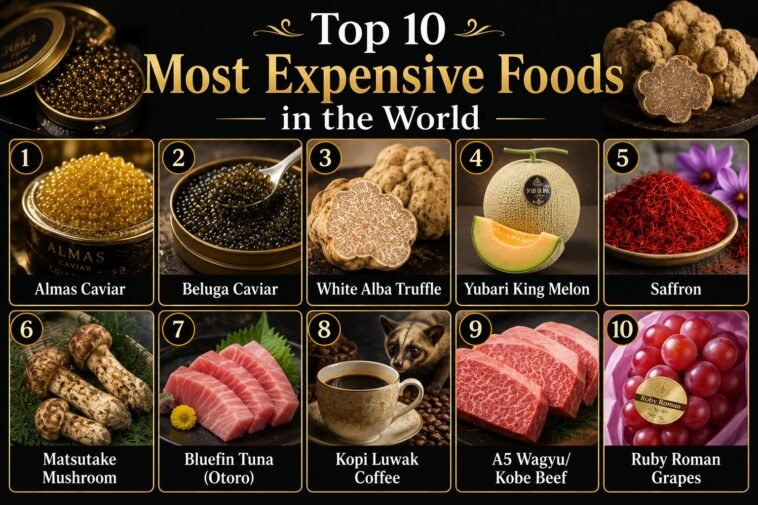
Some food is fuel. Some food is a flex. The dishes on this list fall firmly into the second category, with price tags driven by extreme scarcity, decades of tradition, and production methods that simply can’t be rushed or scaled.
We pulled verified, current per-kilogram pricing from luxury food suppliers, auction records, and specialty importers to rank the ten most expensive foods in the world right now, along with exactly why each one costs what it does.
Table of Contents
- Key Highlights
- What Actually Drives Food Prices This High
- The Top 10 Most Expensive Foods in the World
- Important Statistics Table
- How Luxury Food Pricing Actually Works (Step-by-Step)
- Pros and Cons Table
- Comparison Table: Top 10 Most Expensive Foods
- Current Trends in the Luxury Food Market
- FAQs
- References
Key Highlights (Quick Facts)
- Almas caviar tops the list at roughly $25,000 per kilogram, with some specialty suppliers pricing rare batches closer to $40,000 per kilogram.
- Almas caviar can only come from albino Iranian beluga sturgeon aged between 60 and 100 years old, fish so rare they appear only once every hundred years or so.
- White Alba truffles sell for around $5,000 per kilogram on average, with premium specimens from top suppliers reaching roughly $300 per ounce, or about $10,500 per kilogram, during scarce seasons.
- A single Yubari King melon pair from Japan’s ceremonial first-harvest auction has sold for as much as $27,000, or roughly $45,000 for the pair in record years.
- A 212-kilogram bluefin tuna sold for $273,000 at a Tokyo auction in January 2023, working out to about $1,287 per kilogram for the whole fish.
- Climate change has measurably reduced natural truffle habitats across Europe between 2024 and 2026, pushing prices higher even before accounting for rising Asian luxury market demand.
- CITES international trade regulations now govern all Beluga sturgeon products, meaning legal caviar supply remains a fraction of historical volumes even where wild populations technically still exist.
- Japan accounts for roughly eight of the most commonly cited expensive food items worldwide, reflecting the country’s uniquely strict grading and cultivation standards.
The truth is, price and flavor don’t always move together on this list. Some of these foods genuinely justify their cost through unmatched complexity. Others are priced almost entirely on scarcity and prestige.
What Actually Drives Food Prices This High
Before ranking the list, here’s what genuinely pushes a food’s price into luxury territory.
Extreme Scarcity
Foods that can’t be farmed at scale, or that depend on rare natural conditions, will always command a premium simply because supply can’t meaningfully expand to meet demand.
Labor-Intensive Harvesting
Some of these foods require harvesting so delicate or complex that no machine can replace it, which keeps production costs, and therefore prices, high no matter how much demand grows.
Long Production or Aging Cycles
Products like aged caviar or slow-raised wagyu cattle require years of patient, low-yield production, tying up capital and resources for a very long time before any product is ready to sell.
Geographic and Regulatory Restriction
Legal protections, geographic indications, and international trade regulations like CITES can legally cap supply even further, adding a regulatory scarcity layer on top of natural rarity.
Brand Prestige and Cultural Heritage
Centuries of association with royalty, ceremony, or national identity, as with Persian caviar or Japanese wagyu, add a prestige premium that goes beyond the raw cost of production.
The Top 10 Most Expensive Foods in the World
Here is our researched, no-fluff ranking of the world’s most expensive foods, with real current pricing.
1. Almas Caviar
Price: Approximately $25,000 per kilogram, with some rare batches priced closer to $40,000 per kilogram
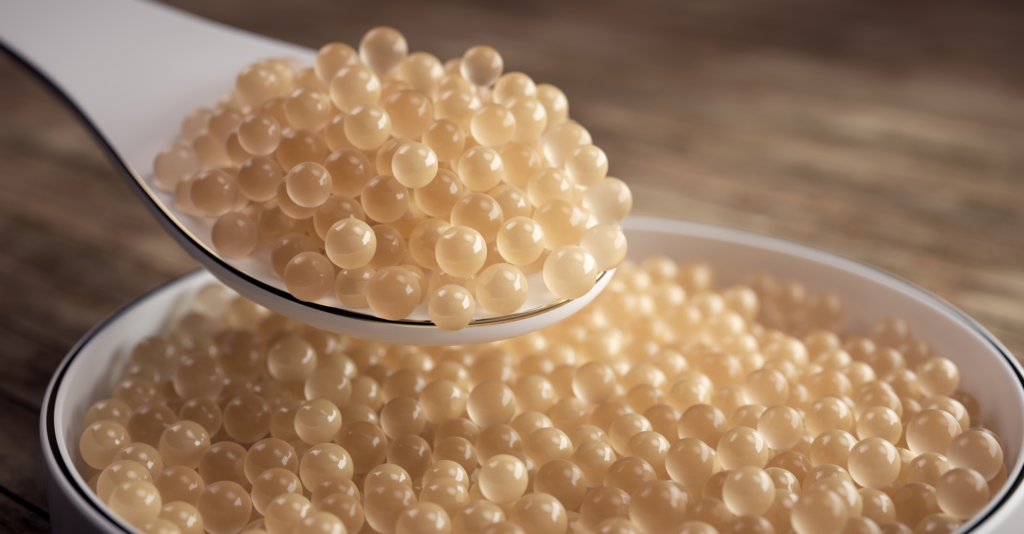
Almas caviar sits alone at the top of the luxury food world, sourced exclusively from albino Iranian beluga sturgeon aged between 60 and 100 years old. These fish are so rare they appear roughly once every century, and the caviar itself is aged a minimum of 20 years to develop its distinctive pale golden color and buttery, creamy texture.
International CITES regulations now govern all beluga sturgeon products, meaning legal supply remains tightly restricted even where wild populations technically persist, keeping prices astronomical regardless of demand shifts.
Image: Delicate golden caviar pearls served on ice with a mother-of-pearl spoon — the palest, rarest caviar varieties command the highest prices in the entire luxury food market.
2. Beluga Caviar
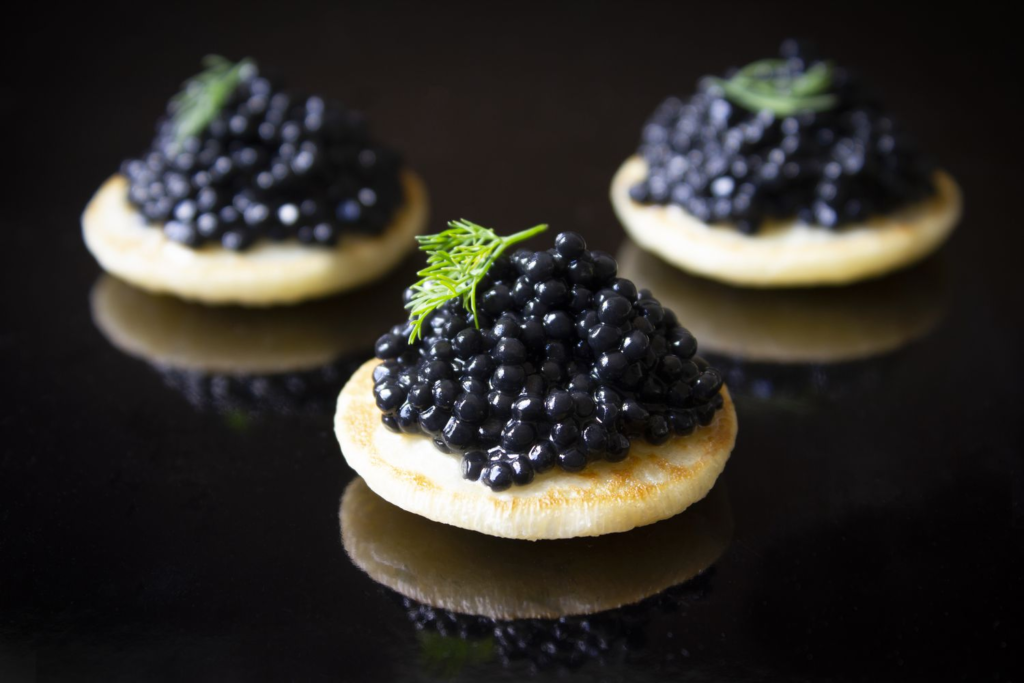
Price: Roughly $7,000 to $10,000 per kilogram, depending on grade and age
Standard Beluga caviar, harvested from the same species as Almas but without the albino rarity, remains one of the most prized delicacies in the world. Its buttery flavor, unusually large egg size, and centuries-long association with Russian and Persian royalty keep it firmly in luxury territory.
Like Almas, legal Beluga caviar supply is tightly restricted under international CITES trade rules, with only a handful of Caspian nations permitted to export limited, strictly quota-controlled quantities each year.
3. White Alba Truffle
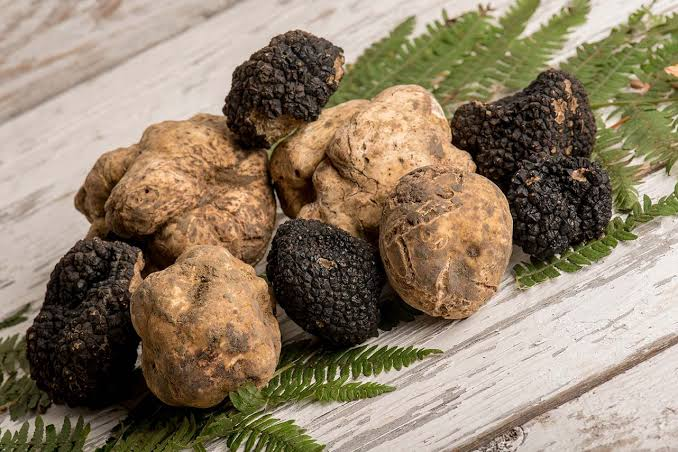
Price: Around $5,000 per kilogram on average, with premium specimens reaching roughly $10,500 per kilogram during scarce seasons
White Alba truffles, grown almost exclusively in Italy’s Piedmont region, cannot be farmed under any known cultivation method, growing only in specific wild soil and climate conditions that scientists still don’t fully understand. They’re located using specially trained dogs, since the fungi grow entirely underground near the roots of particular tree species.
Climate change has measurably reduced natural truffle habitat across Europe in recent years, tightening supply even further just as demand from emerging luxury markets in Asia continues to grow.
4. Yubari King Melon
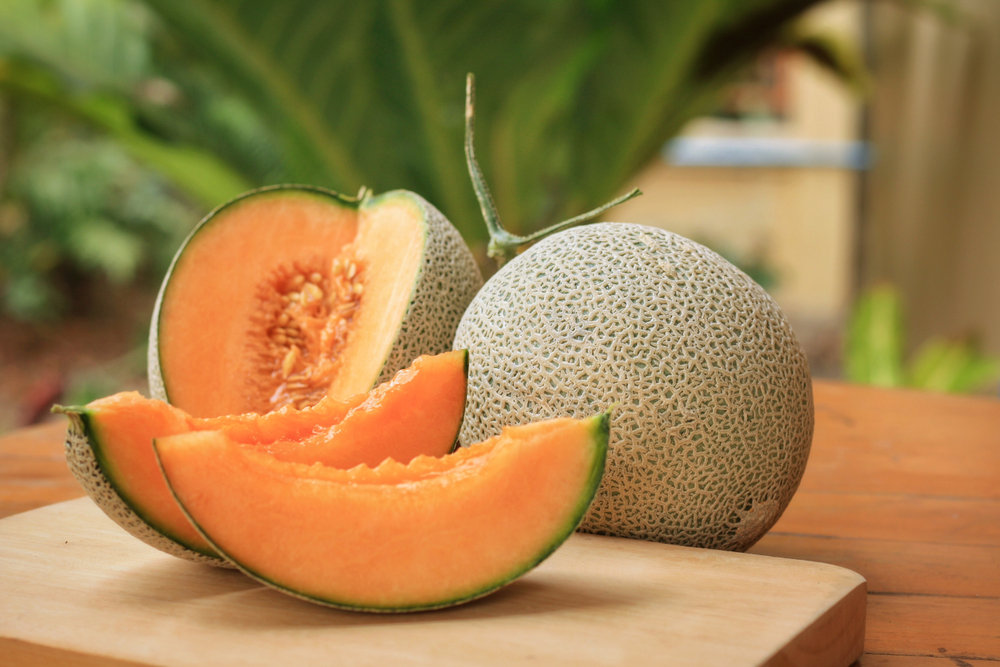
Price: Record ceremonial pairs have sold for up to $27,000 to $45,000 for two melons at Japan’s annual first-harvest auction
Grown exclusively in Yubari, Hokkaido, these cantaloupe-style melons are cultivated under extraordinarily controlled conditions, with each plant limited to producing just one or two perfect melons to concentrate sweetness and ensure flawless symmetry. The annual ceremonial first-of-season auction routinely produces headline-grabbing prices as local businesses compete for the prestige of owning the season’s first fruit.
Outside the ceremonial auction, standard Yubari King melons still sell for a considerable premium over ordinary melons, reflecting the meticulous, low-yield growing process behind every single fruit.
Image: A perfectly round orange-fleshed melon displayed on a decorative stand — Japan’s ceremonial melon auctions have become a well-known symbol of extreme luxury food pricing.
5. Saffron
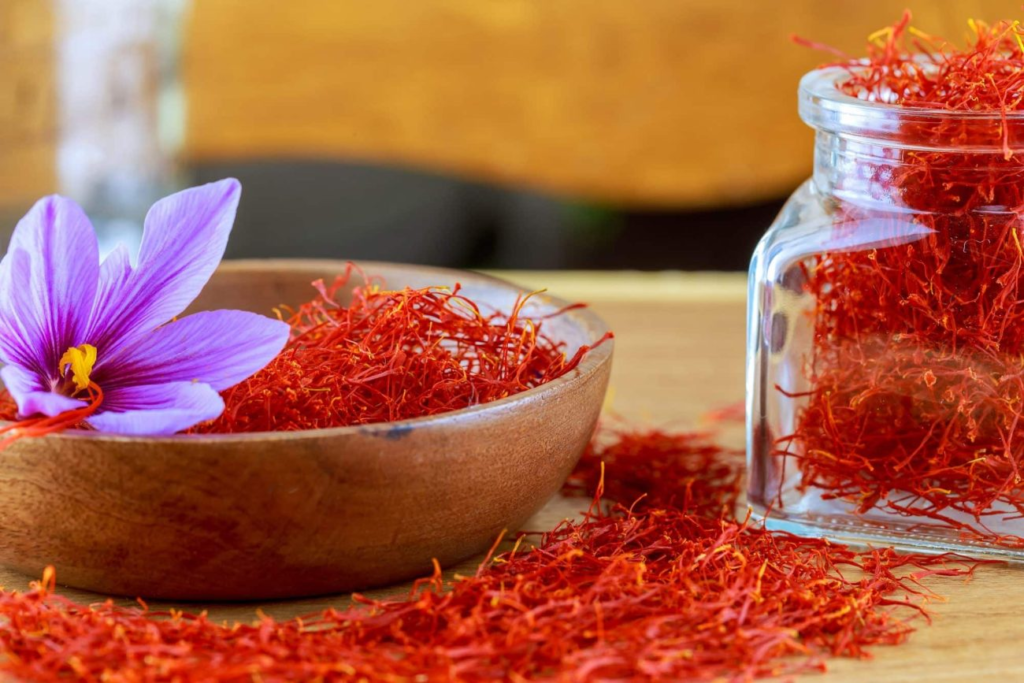
Price: Roughly $2,200 to $5,000 per kilogram, depending on grade and origin
Saffron remains one of the most labor-intensive spices on earth, harvested entirely by hand from the delicate stigma of the Crocus sativus flower. Producing just one pound of dried saffron requires between 50,000 and 75,000 individual flowers, an area roughly equivalent to an entire football field of blooms.
Because each flower yields only three tiny stigma threads, and harvesting must happen quickly by hand during a narrow blooming window, saffron’s price has at times historically rivaled the price of gold by weight.
6. Matsutake Mushroom
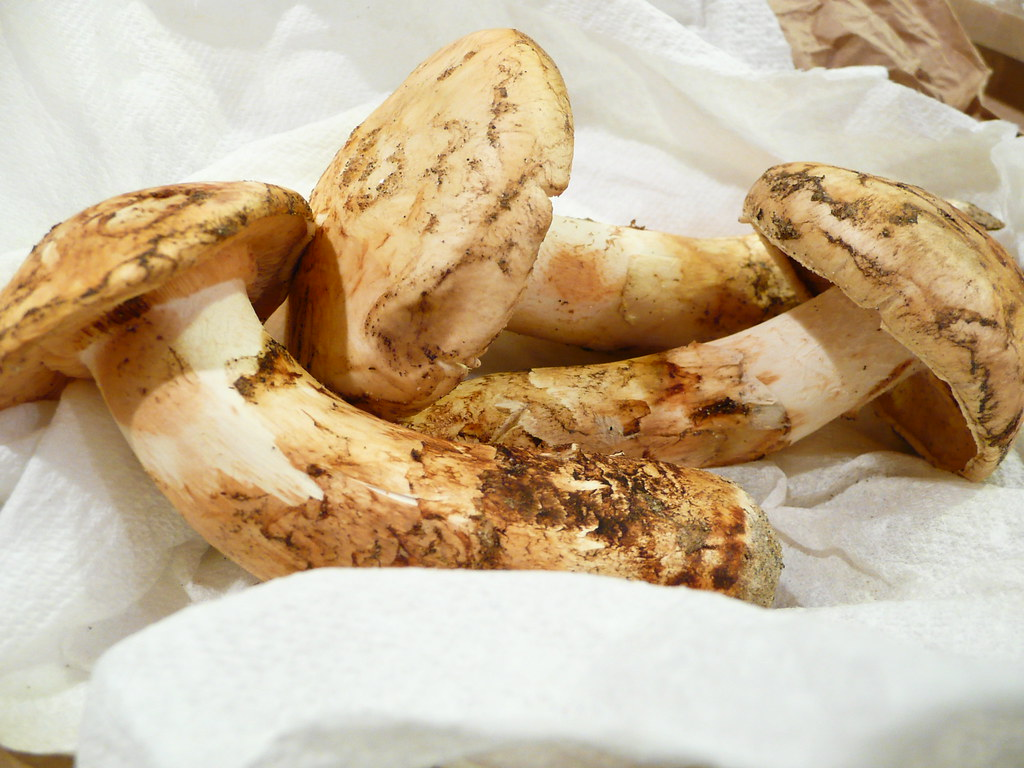
Price: Up to $2,000 per kilogram during peak season
Matsutake mushrooms grow in a symbiotic relationship with specific pine tree species across Japan, Korea, China, and a handful of North American forests, and despite decades of research, they still cannot be commercially cultivated. Their intensely aromatic, spicy-woodsy flavor is prized in Japanese cuisine, particularly in autumn dishes.
Prices fluctuate dramatically based on harvest quality each year, since the mushrooms depend entirely on specific weather and soil conditions that vary significantly season to season.
7. Bluefin Tuna (Premium Otoro)
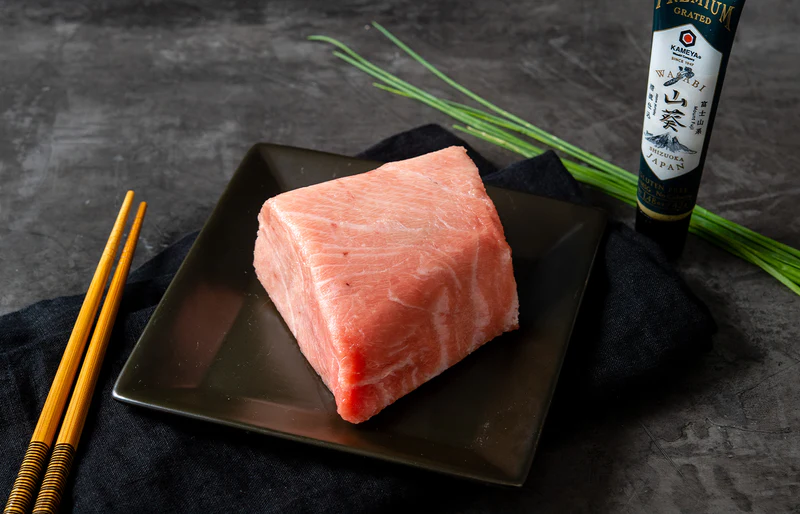
Price: A record 212-kilogram bluefin tuna sold for $273,000 at a Tokyo auction in January 2023, or about $1,287 per kilogram for the whole fish; premium otoro cuts alone retail for considerably more
Bluefin tuna’s high price reflects both its popularity in sushi and sashimi worldwide and increasingly strict international fishing quotas aimed at protecting a species under real conservation pressure. The fattiest cut, known as otoro, is the most prized and expensive portion, commanding a steep premium over the rest of the fish.
Tokyo’s annual New Year auction routinely produces headline prices as top sushi restaurants compete publicly for the season’s first prized catch, a tradition that draws global media attention every year.
Image: Fresh cuts of raw tuna arranged on ice at a fish market — the fattiest, most marbled cuts of bluefin tuna command by far the highest prices per kilogram.
8. Kopi Luwak Coffee
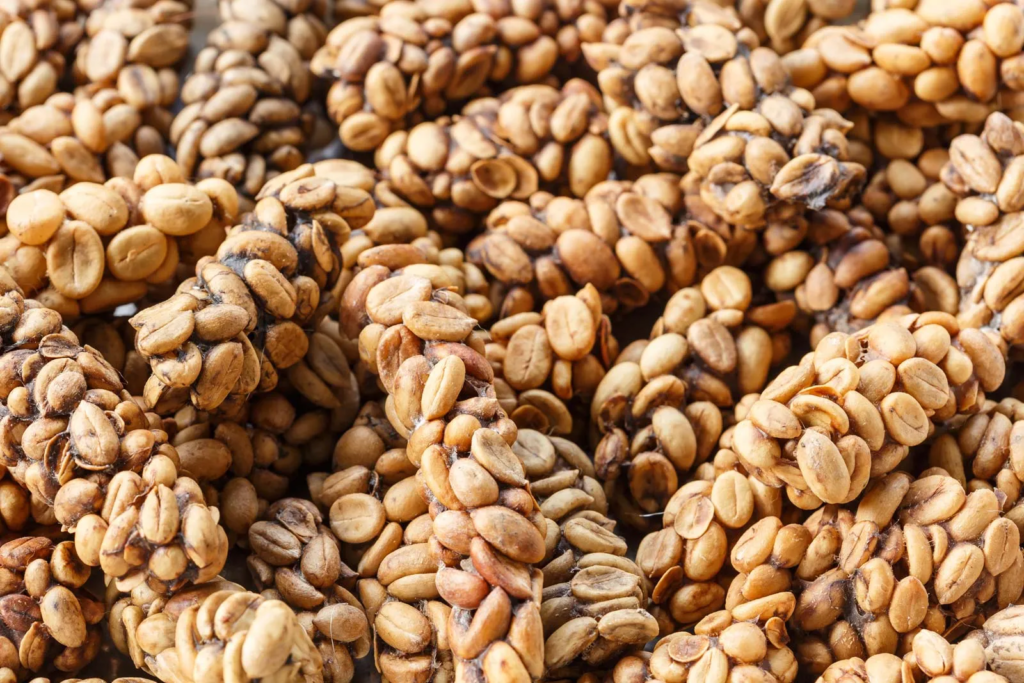
Price: Roughly $500 to $1,300 per kilogram
Kopi Luwak is produced from coffee cherries that have been eaten and partially digested by the Asian palm civet, a small mammal native to Southeast Asia, before the beans are collected, cleaned, and roasted. The digestion process is said to alter the beans’ chemical structure, producing a smoother, less acidic cup than conventional coffee.
The coffee’s high price reflects both its labor-intensive, small-batch collection process and its novelty status, though sourcing has become a genuine ethical concern, with animal welfare advocates raising serious issues about caged civet farming practices used to meet rising demand.
9. A5 Wagyu and Kobe Beef
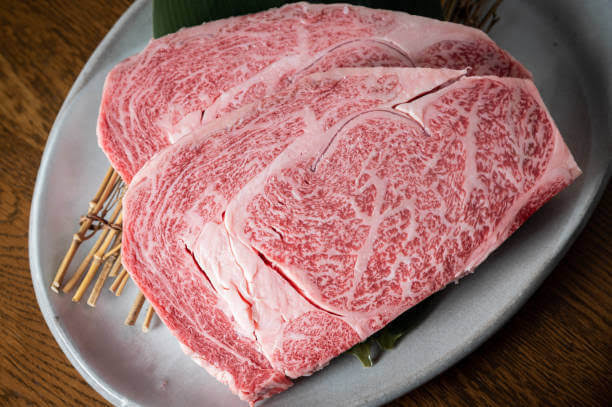
Price: Wholesale prices around $300 to $500 per kilogram, with premium steakhouse cuts reaching roughly $1,750 per kilogram (about $50 per ounce) at retail
Kobe beef, a specific type of wagyu from Japan’s Tajima cattle strain, must meet extraordinarily strict standards, including a defined birthplace, feeding regimen, and processing location in western Japan. A5, the highest wagyu grade, refers to exceptional marbling, fat quality, and overall meat coloration, judged by certified graders under a formal national scoring system.
The cattle are raised for around three years under meticulous care, often including specialized feed and controlled living conditions, all aimed at maximizing the intense marbling that gives wagyu its signature melt-in-your-mouth texture.
10. Ruby Roman Grapes
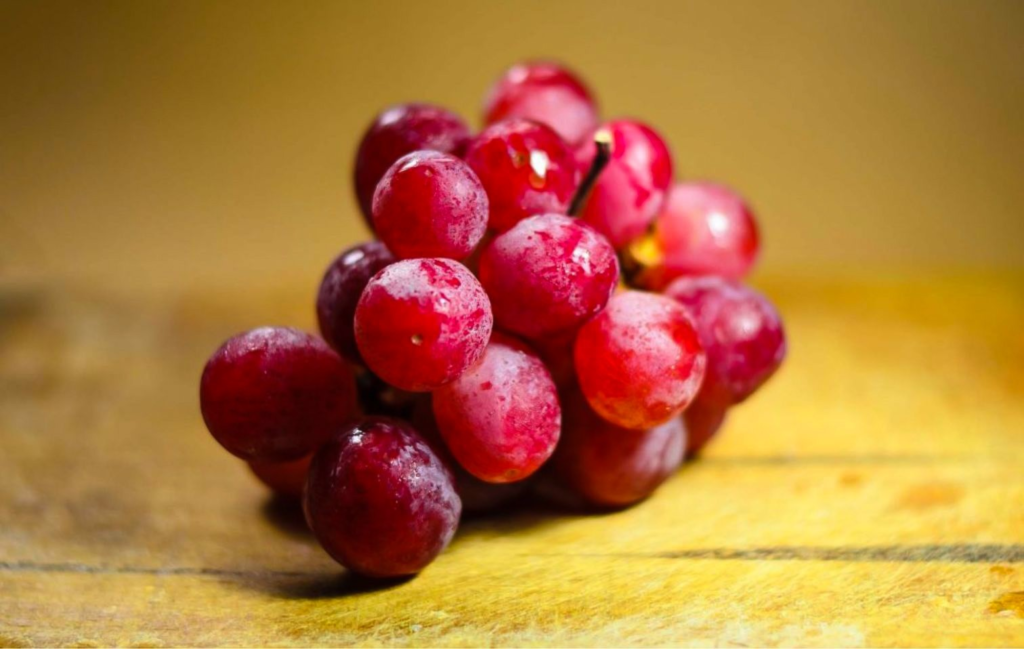
Price: A record bunch of 24 grapes sold for approximately $11,000 at auction, or roughly $450 per individual grape
Ruby Roman grapes are an exclusive variety grown only in Japan’s Ishikawa Prefecture, subject to extraordinarily strict quality standards before they’re even allowed to carry the Ruby Roman name. Each grape must weigh at least 20 grams and reach a minimum sugar content, with only a small fraction of each harvest meeting the grade required for premium sale.
Like Yubari King melons, Ruby Roman grapes are best known for headline-generating ceremonial first-harvest auctions, where local businesses compete for prestige as much as for the fruit itself, though smaller, non-record bunches still sell at a steep premium in Japanese specialty markets year-round.
Important Statistics Table
| Food | Price (per kg, approx.) | Primary Origin | Why It’s Expensive |
|---|---|---|---|
| Almas Caviar | $25,000-$40,000 | Iran (Caspian Sea) | Extremely rare albino sturgeon, aged 20+ years |
| Beluga Caviar | $7,000-$10,000 | Caspian Sea region | CITES-restricted supply, long maturation |
| White Alba Truffle | $5,000-$10,500 | Piedmont, Italy | Cannot be farmed, shrinking wild habitat |
| Yubari King Melon | Up to $22,500/melon (ceremonial pairs) | Yubari, Hokkaido, Japan | Extreme cultivation control, ceremonial auctions |
| Saffron | $2,200-$5,000 | Iran, Spain, Kashmir | Entirely hand-harvested, huge flower-to-yield ratio |
| Matsutake Mushroom | Up to $2,000 | Japan, Korea, China | Cannot be commercially cultivated |
| Bluefin Tuna (Otoro) | ~$1,287+ (whole fish) | Japan, global oceans | Fishing quotas, premium sushi demand |
| Kopi Luwak Coffee | $500-$1,300 | Indonesia | Labor-intensive civet-processed beans |
| A5 Wagyu/Kobe Beef | $300-$1,750 | Japan | Strict breeding standards, years-long raising process |
| Ruby Roman Grapes | ~$450 per grape (record auction) | Ishikawa, Japan | Strict size and sugar-content grading |
How Luxury Food Pricing Actually Works (Step-by-Step)
- Natural or regulatory scarcity sets the ceiling, whether from a shrinking habitat, strict farming standards, or international trade restrictions like CITES.
- Labor-intensive harvesting adds a floor to the price, since hand-harvested products like saffron or truffles simply cannot be mechanized at scale.
- Grading and certification systems formalize quality tiers, as with Japan’s A5 wagyu grading or Ruby Roman’s strict size and sugar-content requirements.
- Auction dynamics amplify headline prices, particularly for Japan’s ceremonial first-harvest fruit and fish auctions, where prestige competition pushes prices well above typical retail rates.
- Global demand shifts move prices year to year, with rising luxury consumption in Asian markets in particular pushing up prices for items like truffles and caviar in recent years.
- Retail markup stacks on top of wholesale cost, meaning the price a consumer pays at a specialty grocer or restaurant is often considerably higher than the wholesale or auction figures typically quoted in rankings like this one.
Pros and Cons Table
| Food | Pros | Cons |
|---|---|---|
| Almas Caviar | Unmatched rarity and prestige | Price and legal restrictions make it inaccessible to nearly everyone |
| Beluga Caviar | Rich, buttery flavor, long culinary heritage | Supply tightly restricted under international regulation |
| White Alba Truffle | Distinct aroma unmatched by cultivated truffles | Cannot be farmed, price rises further as habitat shrinks |
| Yubari King Melon | Exceptional sweetness and flawless quality control | Ceremonial pricing is largely symbolic, not reflective of everyday cost |
| Saffron | Distinct flavor and color, works in small quantities | Entirely hand-harvested, easily adulterated by cheaper fakes |
| Matsutake Mushroom | Unique aroma prized in Japanese cuisine | Cannot be commercially cultivated at all |
| Bluefin Tuna (Otoro) | Prized texture and flavor in sushi and sashimi | Conservation concerns amid strict fishing quotas |
| Kopi Luwak Coffee | Smoother, less acidic flavor profile | Serious animal welfare concerns in caged civet farming |
| A5 Wagyu/Kobe Beef | Exceptional marbling and tenderness | Strict certification makes authentic product hard to verify |
| Ruby Roman Grapes | Novelty and genuine size/sweetness standards | Record prices are largely ceremonial, not typical retail cost |
Comparison Table: Top 10 Most Expensive Foods
| Food | Category | Farmable/Cultivable? | Main Buyers |
|---|---|---|---|
| Almas Caviar | Seafood | No (wild only) | Ultra-luxury dining, collectors |
| Beluga Caviar | Seafood | Limited farming exists | Fine dining, gourmet retailers |
| White Alba Truffle | Fungi | No | High-end restaurants, specialty importers |
| Yubari King Melon | Fruit | Yes, under strict controls | Gift markets, ceremonial buyers, gourmet retailers |
| Saffron | Spice | Yes, labor-intensive | Global culinary market, specialty retailers |
| Matsutake Mushroom | Fungi | No | Japanese and East Asian culinary markets |
| Bluefin Tuna (Otoro) | Seafood | Limited aquaculture exists | Sushi restaurants, seafood markets |
| Kopi Luwak Coffee | Beverage | Semi-wild/farmed | Specialty coffee enthusiasts |
| A5 Wagyu/Kobe Beef | Meat | Yes, under strict standards | High-end steakhouses, gourmet retailers |
| Ruby Roman Grapes | Fruit | Yes, under strict grading | Japanese gift markets, specialty fruit buyers |
Image: An elegantly plated fine-dining dish featuring truffle shavings — luxury ingredients like these are typically served in small quantities precisely because of their extraordinary cost.
Current Trends in the Luxury Food Market
The world’s most expensive foods keep shifting in price, and a few clear patterns stand out right now.
Climate Change Is Pushing Prices Higher
Shrinking natural truffle habitat across Europe and unpredictable matsutake mushroom harvests both illustrate how climate volatility is tightening supply for foods that can’t simply be farmed to meet demand.
Asian Luxury Markets Are Driving Bidding Wars
Rising demand from emerging luxury markets across Asia has created genuine competition for limited harvests of truffles, caviar, and other scarce ingredients, adding real upward pressure on already high prices.
Regulation Is Reshaping Legal Supply
International trade rules, particularly CITES restrictions on sturgeon products, continue to cap legal caviar supply even in years when wild fish populations technically allow for more harvesting.
Luxury Foods Are Increasingly Treated as Investments
As international trade expands, rare foods are increasingly behaving like alternative investment assets rather than everyday groceries, with collectors and investors tracking pricing trends much like commodities markets.
Ceremonial Auctions Continue Generating Headlines
Japan’s ceremonial first-harvest auctions for items like Yubari King melons and Ruby Roman grapes remain a reliable annual source of headline-grabbing prices, even though those figures rarely reflect typical year-round retail costs.
FAQs About the Most Expensive Foods in the World
What is the single most expensive food in the world? Almas caviar holds the top spot, priced at roughly $25,000 per kilogram, sourced exclusively from rare albino Iranian beluga sturgeon aged between 60 and 100 years old.
Why is white truffle so much more expensive than black truffle? White Alba truffles cannot be cultivated under any known farming method and grow only in specific wild conditions in Italy’s Piedmont region, while black truffles can be farmed to some degree, giving white truffle far greater natural scarcity.
Is Kopi Luwak coffee actually worth the price? Opinions are divided. Some coffee enthusiasts genuinely prize its smoother, less acidic flavor profile, while others note the price reflects novelty and labor-intensive sourcing as much as any dramatic taste difference, and animal welfare concerns have made some buyers avoid it entirely.
Why do Japanese fruits and melons sell for so much money? Japan’s meticulous cultivation standards, extremely limited yield per plant, and cultural tradition of ceremonial first-harvest auctions combine to push prices for items like Yubari King melons and Ruby Roman grapes far above what similar fruit costs elsewhere.
Are these expensive foods actually available to regular consumers? Most are, in smaller, non-ceremonial quantities, through specialty importers and high-end grocers, though the record-breaking auction prices you often see in headlines rarely reflect typical year-round retail cost.
Why is saffron priced so close to precious metals? Producing just one pound of dried saffron requires between 50,000 and 75,000 individual crocus flowers, all harvested entirely by hand, which keeps the labor cost extraordinarily high relative to the tiny final yield.
Is bluefin tuna becoming more expensive due to overfishing concerns? Yes, largely. Strict international fishing quotas aimed at protecting bluefin tuna populations under real conservation pressure have tightened legal supply, contributing to consistently high and rising prices at auction.
Conclusion
The world’s most expensive foods share a common thread: none of them can simply be mass-produced to meet demand. Whether it’s Almas caviar’s century-long sturgeon rarity, white truffle’s untamable growing conditions, or saffron’s brutal hand-harvest ratio, real scarcity, not just marketing, sits behind nearly every price tag on this list. As climate pressures and rising global demand continue tightening supply further, don’t expect any of these prices to head downward anytime soon.
References
- WORLDOSTATS — Most Expensive Foods in the World: Verified Market Pricing
- Nubia Magazine — Top 10 Most Expensive Foods in the World: Unveiling Culinary Luxury
- Cozymeal — The 25 Most Expensive Foods in the World
- Escoffier — World’s Most Expensive Foods: 10 of the Priciest Ingredients on the Planet
- WebstaurantStore — The Most Expensive Foods in the World
- SuperMoney — Top 5 Most Expensive Foods
- Kitchen Geekery — The World’s Most Expensive Foods
- How To Cook.Recipes — The Most Expensive Ingredients in the World
- Wealthy Gorilla — The 15 Most Expensive Foods You Can Buy
- CITES Secretariat — International Trade Regulations on Sturgeon and Caviar Products



GIPHY App Key not set. Please check settings