 kiruthika
Hook Introduction
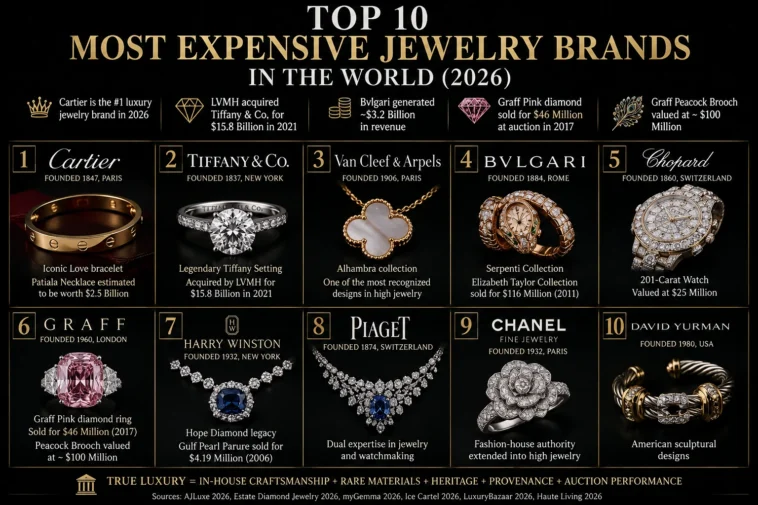
A single brooch from one of these houses sold for $100 million , and the same brand’s acquisition by a rival conglomerate became the largest deal in the history of the luxury industry.
We pulled current 2026 revenue data, verified auction records, and brand-heritage research to rank the ten most expensive jewelry brands in the world right now, along with what genuinely separates true high jewelry from merely expensive accessories.
Key Highlights (Quick Facts)
- Cartier is the name most consistently ranked as the top luxury jewelry brand in 2026, thanks to its 1847 Paris heritage, in-house atelier, and icons like the Love bracelet and Trinity ring, according to multiple current industry rankings.
- LVMH’s 2021 acquisition of Tiffany & Co. for $15.8 billion remains the largest deal in the history of the luxury industry, and Tiffany’s brand value is now estimated at $5.9 billion.
- Bvlgari generated approximately $3.2 billion in revenue, driven largely by its Serpenti and B.zero1 lines, with the brand’s Elizabeth Taylor Collection selling for $116 million at auction in 2011.
- The Graff Pink, a rare 24.78-carat pink diamond, sold for $46 million in 2017, cementing Graff’s position as one of the world’s leading high-investment diamond houses.
- Graff’s Peacock Brooch, created in 2013, is valued at approximately $100 million, featuring a dark blue pear-shaped diamond of more than 20 carats surrounded by rare colored diamonds.
- Cartier’s Patiala necklace, a historic royal commission, carries an estimated value of $2.5 billion, reflecting the scale of value some heritage jewelry pieces can reach.
- Five of the ten brands on this list are owned by just two parent conglomerates — LVMH (Tiffany & Co., Bulgari, Chaumet, Repossi) and Richemont (Cartier, Van Cleef & Arpels, Buccellati, Piaget) — a genuine concentration of ownership across the entire luxury jewelry sector.
- A jewelry brand only qualifies as genuine “luxury” when it designs and manufactures largely in-house, sources rare or carefully vetted precious materials, and has built its reputation over decades — not through price alone, according to 2026 luxury-industry analysis.
What Actually Makes a Jewelry Brand “Luxury”
Before ranking the list, here’s what genuinely separates the world’s most expensive jewelry brands from merely pricey accessories.
In-House Design and Manufacturing
True high jewelry houses design and manufacture largely in-house, using their own ateliers and craftspeople rather than outsourcing production — a distinction that directly separates genuine luxury maisons from brands that simply carry a high price tag.
Rare or Ethically Sourced Materials
The biggest names in this space source exceptionally rare gemstones, often controlling the supply chain from mining through cutting and setting, which both guarantees quality and creates genuine, defensible scarcity that drives long-term value.
Decades (or Centuries) of Heritage
Genuine luxury status is built over decades, not a single trend cycle — Cartier’s 1847 founding and Harry Winston’s history with the Hope Diamond both reflect the kind of sustained institutional reputation that newer brands simply can’t replicate quickly, regardless of how expensive their pieces are.
Auction and Resale Performance
A brand’s track record at major auction houses like Sotheby’s and Christie’s serves as an independent, market-tested measure of genuine desirability — separate from a brand’s own marketing, and one of the clearest signals of which houses hold real long-term value.
Parent Company Backing and Investment
Ownership by major luxury conglomerates like LVMH or Richemont provides the capital depth needed to acquire rare stones, fund flagship boutiques, and sustain multi-generational craftsmanship — a structural advantage independent, smaller houses often can’t match at the same scale.
The Top 10 Most Expensive Jewelry Brands in the World
Here is our researched, no-fluff ranking of the world’s most expensive jewelry brands, based on 2026 revenue data, verified auction records, and industry-wide reputation.
1. Cartier
Parent company: Richemont. Founded: 1847, Paris
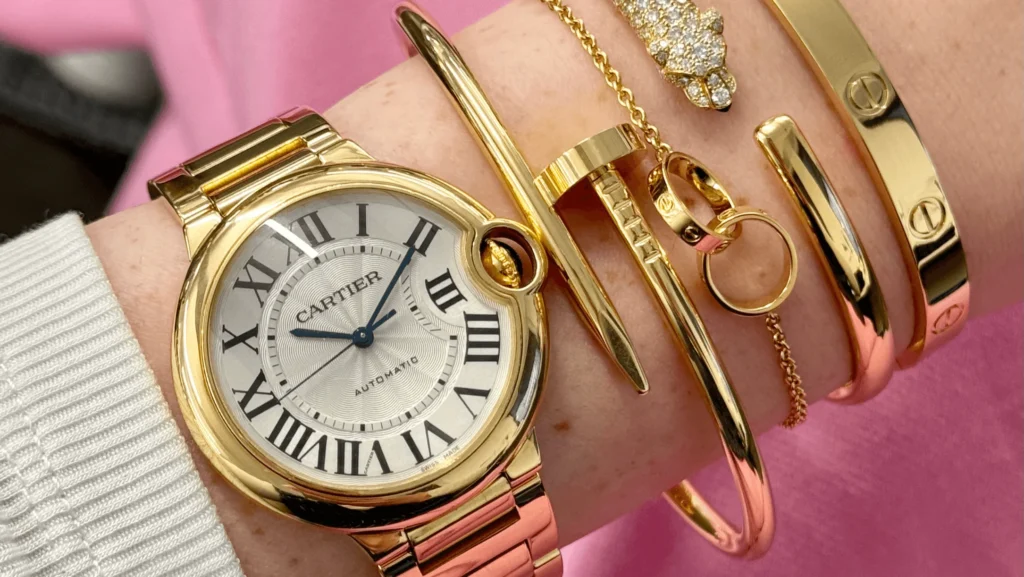
Cartier is the name most consistently ranked as the top luxury jewelry brand in 2026, earning the title “Jeweler of Kings, King of Jewelers” through more than 175 years of continuous heritage. Its in-house atelier and icons like the Love bracelet and Trinity ring have made it the reference point every other house on this list is measured against.
Cartier’s historic pieces carry some of the highest valuations in jewelry history — the Patiala necklace, a royal commission, carries an estimated value of $2.5 billion, while the Maria Cristina Royal Belle Époque Diamond Brooch, with its Spanish royal provenance, is worth more than $17 million. A Cartier-owned jadeite necklace, carved from a single piece of jadeite more than 150% the size of a standard bead, is valued at over $27 million.
Signature achievement: Widely considered the definitive reference point for the entire luxury jewelry category.
2. Tiffany & Co.
Parent company: LVMH. Founded: 1837, New York
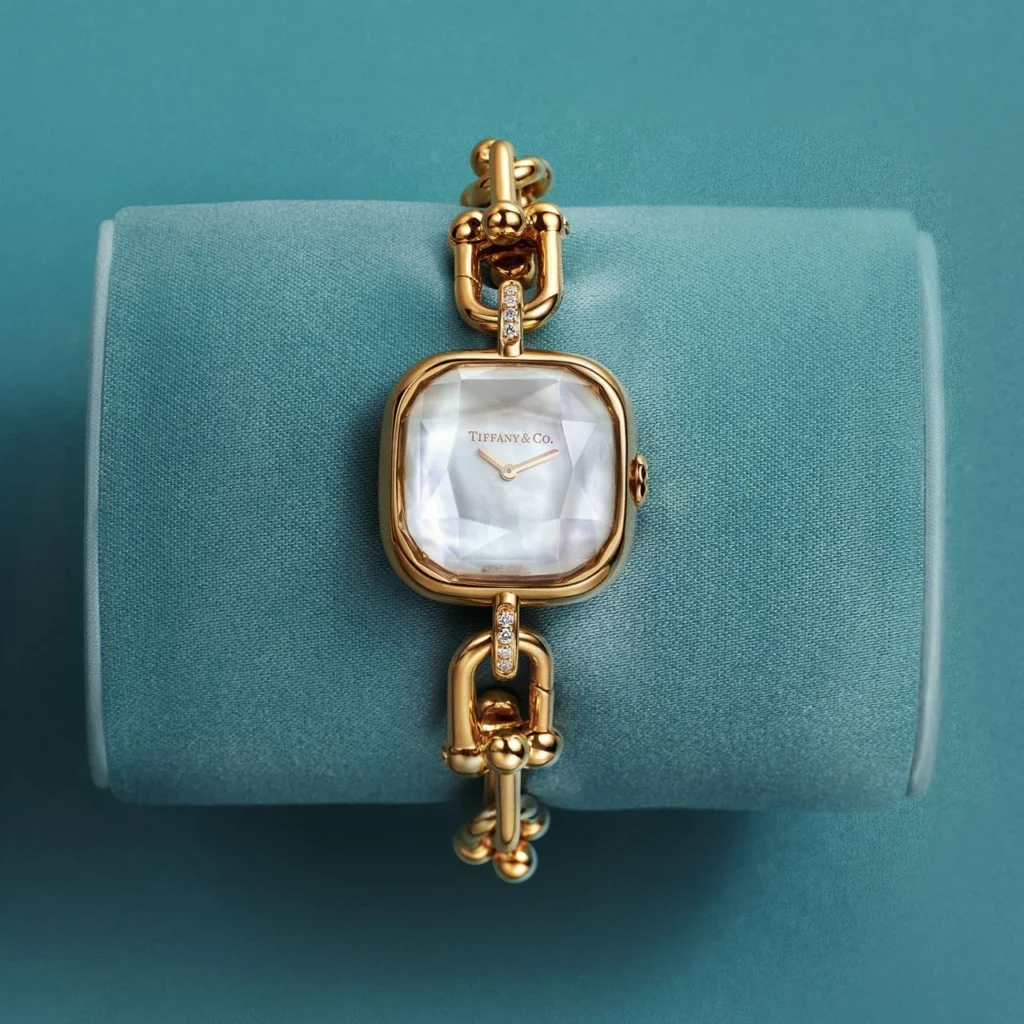
Tiffany & Co.’s 2021 acquisition by LVMH for $15.8 billion remains the largest deal in the history of the luxury industry, and since the acquisition, the brand has quadrupled its high-jewelry revenue. Tiffany’s brand value is now estimated at $5.9 billion, with jewelry accounting for over 90% of the company’s total net sales.
The brand has centered its modern identity around “The Landmark” flagship in New York and the legendary Tiffany Setting engagement ring, while newer collections like Tiffany T, HardWear, and Lock have become essential symbols of “everyday luxury” for a new generation of collectors. In 2026, Tiffany continues to lead the industry in diamond traceability, having been the first global luxury jeweler to disclose the specific provenance of its newly sourced diamonds.
Signature achievement: Subject of the largest acquisition deal in luxury industry history ($15.8B, LVMH, 2021).
3. Van Cleef & Arpels
Parent company: Richemont. Founded: 1906, Paris
Van Cleef & Arpels stands among the five names that appear most consistently at the top of luxury jewelry rankings, dominant specifically in high jewelry and best known for its Alhambra collection — a design so enduring it’s become a genuine category-defining icon in its own right.
Its Sweet Alhambra line, with entry pieces starting around $1,600, offers one of the more accessible on-ramps into true high jewelry among the brands on this list, even as its rarest commissioned pieces reach far higher valuations reserved for serious collectors and private clients.
Signature achievement: The Alhambra collection remains one of the most recognized and enduring designs in all of high jewelry.
4. Bulgari (Bvlgari)
Parent company: LVMH. Founded: 1884, Rome
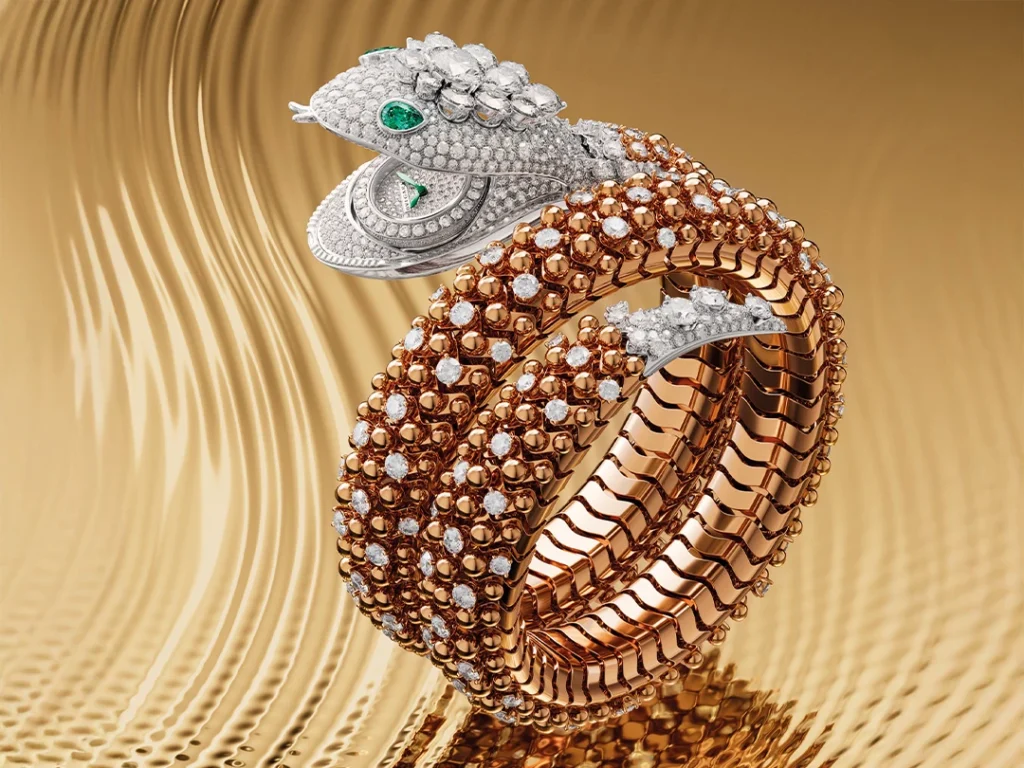
Bulgari generated approximately $3.2 billion in revenue, driven largely by its Serpenti and B.zero1 lines — bold, distinctly Italian design signatures that have set it apart from the more classically French houses elsewhere on this list. Its 2021-2022 Serpenti 100th-anniversary campaign drove a 20% increase in global brand search interest.
The brand’s connection to old Hollywood glamour runs deep: the Elizabeth Taylor Collection, featuring iconic Bulgari emeralds gifted to the actress by Richard Burton, sold for $116 million at auction in 2011 — one of the most celebrated celebrity jewelry sales in auction history.
Signature achievement: Elizabeth Taylor Collection auction sale ($116M, 2011); ~$3.2B annual revenue.
5. Chopard
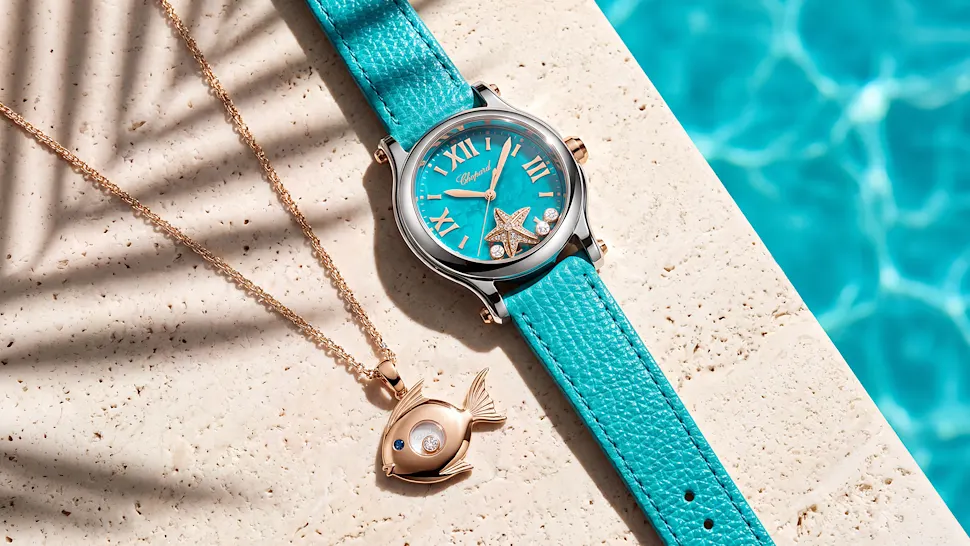
Parent company: Independent, family-owned. Founded: 1860, Switzerland
Chopard occupies a distinctive position among independent, family-owned luxury houses, known for sophisticated wrist and pocket watches alongside its fine jewelry collections. Its independence from the major conglomerates that own most of this list gives it genuine creative latitude few larger rivals retain.
The brand’s capacity for genuine spectacle is best illustrated by the Chopard 201-Carat Watch, valued at $25 million — a once-in-a-lifetime piece that exemplifies how the very top of this market blends jewelry and horology into a single, extraordinary object.
Signature achievement: $25 million 201-Carat Watch; rare independence from major luxury conglomerates.
6. Graff
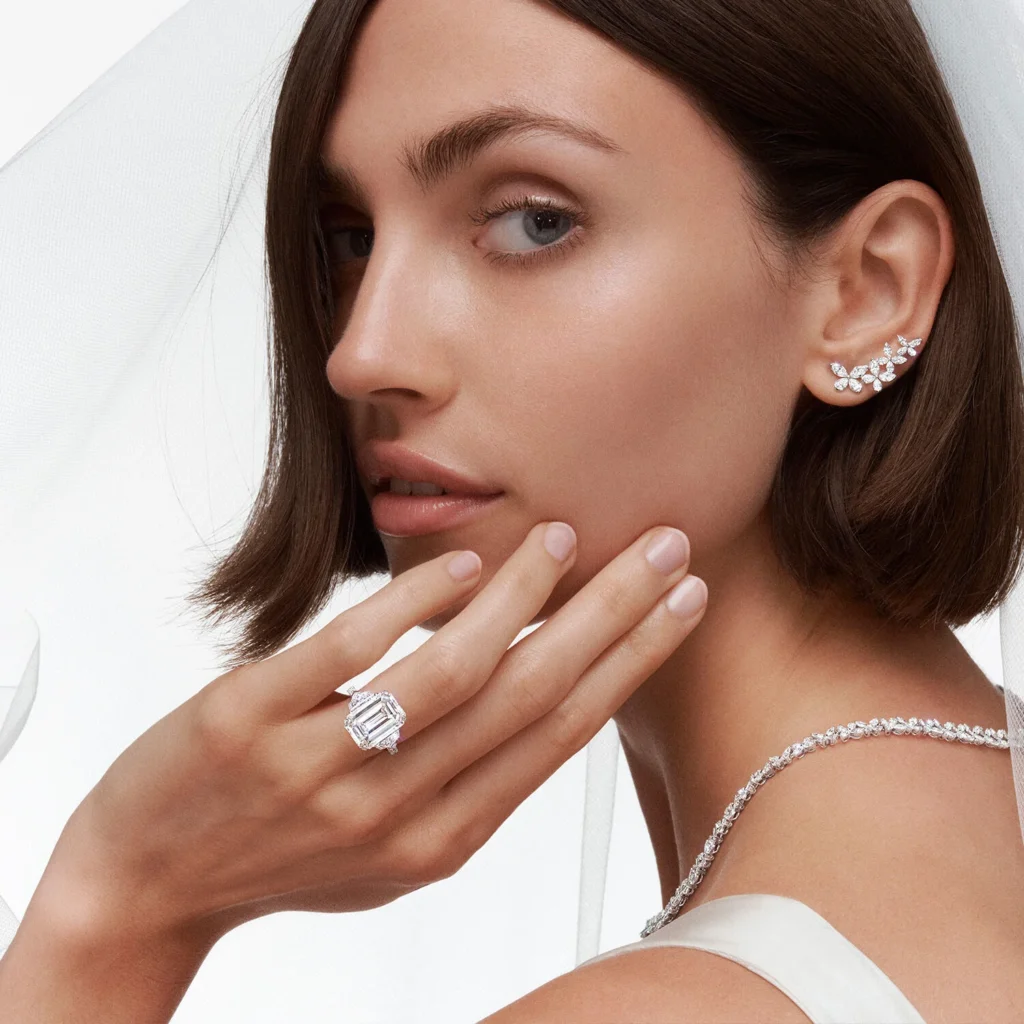
Parent company: Independent, family-owned. Founded: 1960, London
Graff is the definitive choice for the world’s most significant and rarest diamonds, and despite being a relatively young house compared to its French peers, it has achieved genuine prestige status in record time. Its vertically integrated model — controlling every step from mining to cutting — ensures unparalleled stone quality across collections like Butterfly and Tilda’s Bow.
Graff’s auction history is genuinely extraordinary: the Graff Pink, a rare 24.78-carat pink diamond, sold for $46 million in 2017, while the brand’s 2013 Peacock Brooch, featuring a dark blue pear-shaped diamond of more than 20 carats, is valued at approximately $100 million — one of the single most valuable pieces of jewelry ever created.
Signature achievement: $46M Graff Pink auction sale (2017); $100M Peacock Brooch; fully vertically integrated diamond sourcing.
7. Harry Winston
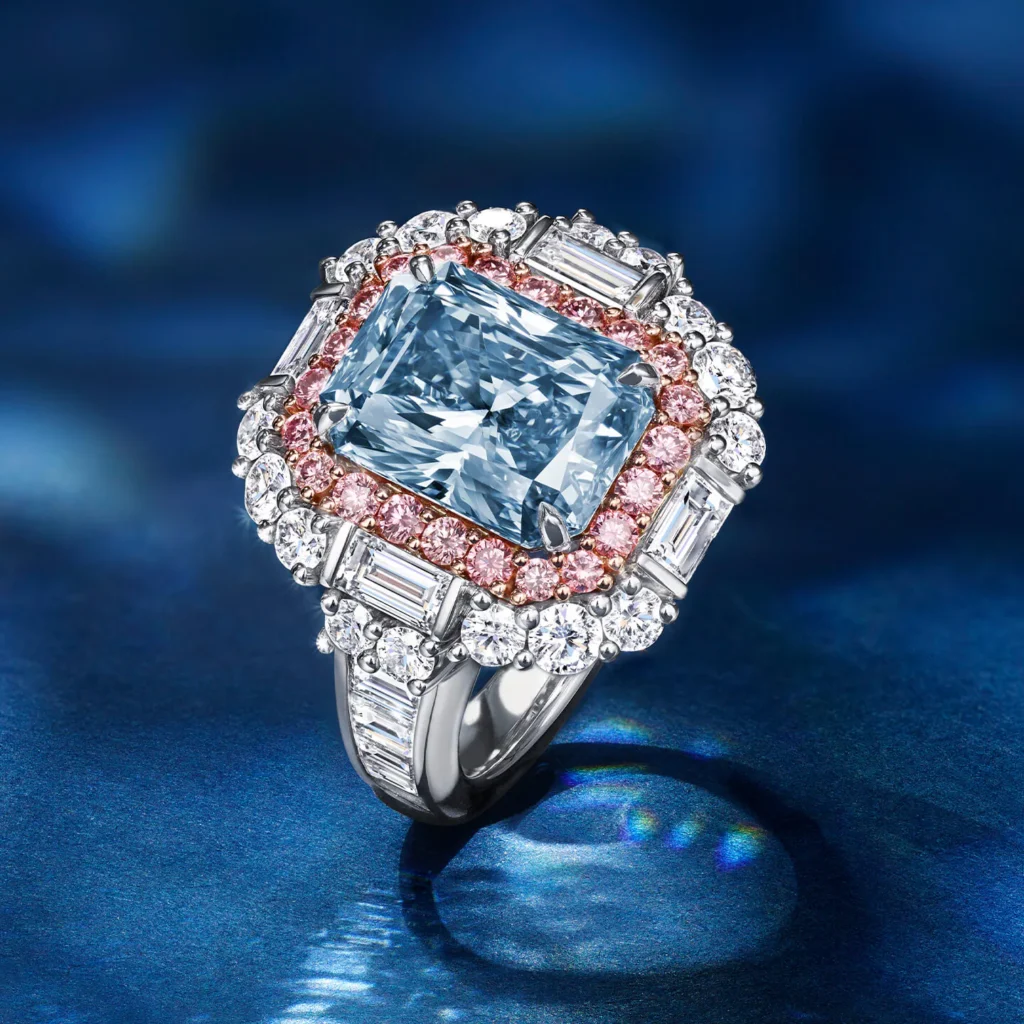
Parent company: Swatch Group. Founded: 1932, New York City
Harry Winston built his reputation as the “King of Diamonds” and “Jeweler to the Stars,” a legacy that began when the brand’s founder acquired the legendary 45.42-carat Hope Diamond before it eventually found its permanent home at the Smithsonian Institution.
The brand’s auction record reflects its historic focus on genuinely rare natural materials: the Gulf Pearl Parure, a 325-carat natural pearl and diamond piece, sold for $4,189,165 in 2006. Harry Winston remains particularly associated with red-carpet moments, having dressed stars including Jennifer Lopez and Natalie Portman in its most significant pieces.
Signature achievement: Historic connection to the Hope Diamond; “Jeweler to the Stars” reputation built over nine decades.
8. Piaget
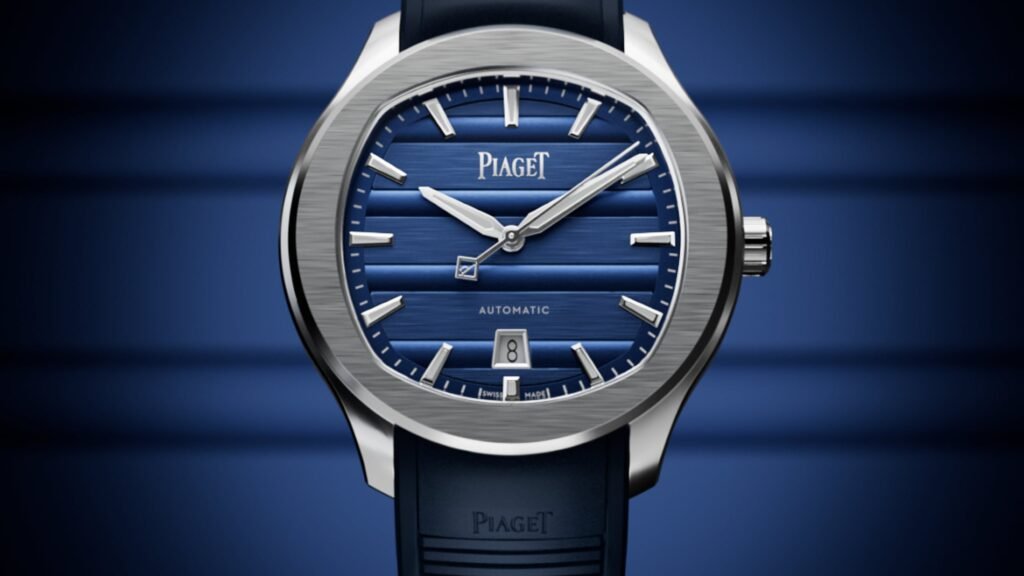
Parent company: Richemont. Founded: 1874, Switzerland
Piaget rounds out Richemont’s jewelry and watchmaking portfolio alongside Cartier and Van Cleef & Arpels, known specifically for combining fine jewelry craftsmanship with equally serious watchmaking expertise under a single house.
Its position among the ten jewelers most consistently named among the world’s best reflects a genuine dual identity few competitors maintain as successfully — equally credible as a jewelry house and a serious watch manufacturer, rather than treating one discipline as secondary to the other.
Signature achievement: Sustained dual reputation across both fine jewelry and serious watchmaking.
9. Chanel Fine Jewelry
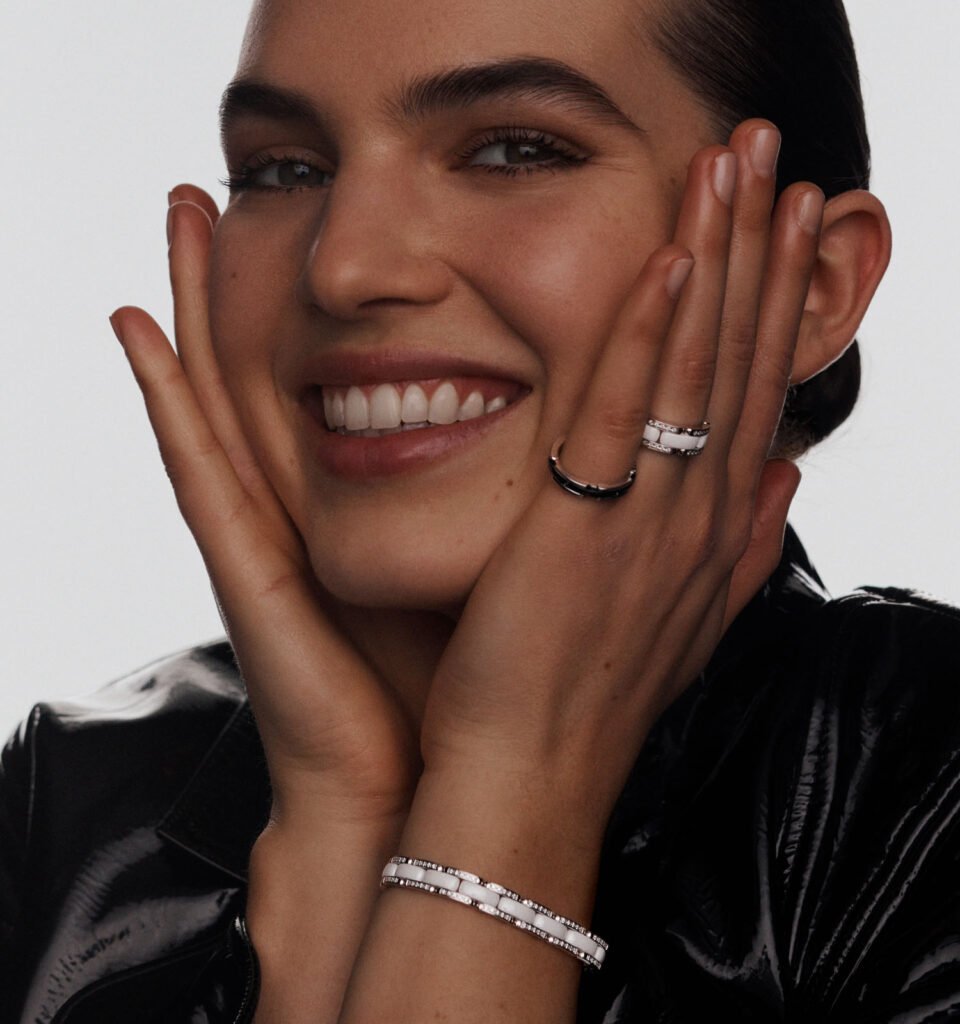
Parent company: Independent (Chanel). Founded: Fine jewelry line launched 1932, Paris
Chanel Fine Jewelry brings the fashion house’s century of design authority into high jewelry specifically, and its inclusion among the ten jewelers most consistently named among the world’s best reflects how thoroughly the brand has established genuine credibility in a category traditionally dominated by dedicated jewelry-only houses.
Its position as one of the few major independent (non-conglomerate-owned) names on this list gives it a distinct market position, backed by Chanel’s broader luxury fashion authority rather than a jewelry-only heritage.
Signature achievement: Successfully extended a century of fashion-house authority into genuine high-jewelry credibility.
10. David Yurman
Parent company: Independent, family-owned. Founded: 1980, United States
David Yurman rounds out this list as one of the youngest houses represented, founded by David and Sybil Yurman in 1980 with designs known for sculptural forms reminiscent of the American Craft Movement — a genuinely distinct aesthetic lineage from the more classical European houses dominating most of this list.
Its relative youth compared to 19th-century European houses is offset by a strong red-carpet presence and a design language that’s carved out a genuinely distinct American identity within a category historically defined by French and Italian heritage brands.
Signature achievement: Built genuine luxury-tier recognition as one of the few major American houses on this list, despite being founded decades after most competitors.
Important Statistics Table
| Brand | Parent Company | Founded | Notable Record |
| Cartier | Richemont | 1847 (Paris) | Patiala necklace est. $2.5B value |
| Tiffany & Co. | LVMH | 1837 (New York) | $15.8B LVMH acquisition (2021), largest luxury deal ever |
| Van Cleef & Arpels | Richemont | 1906 (Paris) | Alhambra collection, category-defining design |
| Bulgari | LVMH | 1884 (Rome) | ~$3.2B revenue; Elizabeth Taylor Collection $116M (2011) |
| Chopard | Independent | 1860 (Switzerland) | $25M 201-Carat Watch |
| Graff | Independent | 1960 (London) | $46M Graff Pink (2017); $100M Peacock Brooch |
| Harry Winston | Swatch Group | 1932 (New York) | Hope Diamond history; $4.19M Gulf Pearl Parure (2006) |
| Piaget | Richemont | 1874 (Switzerland) | Dual jewelry/watchmaking reputation |
| Chanel Fine Jewelry | Independent | 1932 (Paris) | Fashion-house authority extended into high jewelry |
| David Yurman | Independent | 1980 (USA) | Leading American sculptural-design jewelry house |
Sources: AJLuxe 2026, Estate Diamond Jewelry 2026, myGemma 2026, Ice Cartel 2026, LuxuryBazaar 2026, Haute Living 2026. Figures reflect the most recently reported revenue and auction data as of 2026; auction records reflect the sale price at time of sale, not current estimated value.
How Luxury Jewelry Pricing Actually Works (Step-by-Step)
- Rare gemstone sourcing sets a genuine cost floor, particularly for houses like Graff that control their own supply chain from mining through cutting, guaranteeing quality that can’t be replicated by brands sourcing from third parties.
- In-house craftsmanship adds both cost and authenticity, since maintaining a dedicated atelier of skilled artisans is dramatically more expensive than outsourcing production, but it’s also what separates genuine luxury houses from brands trading on price alone.
- Auction performance validates long-term value independently. A brand’s track record at major auction houses, from Graff’s $46 million Graff Pink to Bulgari’s $116 million Elizabeth Taylor Collection, provides real market-tested evidence of sustained desirability beyond the brand’s own marketing claims.
- Parent company backing shapes long-term strategic capacity. LVMH’s $15.8 billion Tiffany acquisition illustrates how conglomerate ownership can fund rapid revenue growth (Tiffany’s high-jewelry revenue reportedly quadrupled post-acquisition) in ways independent houses often can’t match as quickly.
- Heritage and provenance add a premium beyond raw materials. Cartier’s royal commissions and Harry Winston’s Hope Diamond connection both demonstrate how documented historical significance can multiply a piece’s value well beyond its component gemstones’ raw worth.
- Retail markup and brand positioning add a final layer. The price a consumer pays at a flagship boutique reflects not just materials and craftsmanship but also brand positioning, exclusivity, and the specific collection or commission involved.
Pros and Cons Table
| Brand | Pros | Cons |
| Cartier | Unmatched heritage and universal recognition | Extremely high price point limits accessibility |
| Tiffany & Co. | Strong entry-level bridal accessibility, LVMH backing | Brand perception varies between “accessible” and “high jewelry” |
| Van Cleef & Arpels | Genuinely accessible entry point (Sweet Alhambra) | Smaller product range than some larger conglomerate rivals |
| Bulgari | Strong Italian design identity, proven auction performance | Less classically “bridal” positioning than Tiffany or Cartier |
| Chopard | Rare independence, genuine watch-jewelry crossover appeal | Smaller global retail footprint than conglomerate-owned rivals |
| Graff | Unmatched rare-diamond sourcing and vertical integration | Extreme exclusivity limits accessibility almost entirely |
| Harry Winston | Legendary historic provenance, strong red-carpet presence | Now owned by Swatch Group rather than independent |
| Piaget | Genuine dual expertise in jewelry and watchmaking | Less globally recognized than Cartier or Tiffany specifically |
| Chanel Fine Jewelry | Backed by unmatched broader fashion-house authority | Newer to dedicated high jewelry than century-old rivals |
| David Yurman | Distinct American design identity, relatively younger heritage | Shorter history than the 19th-century European houses |
Comparison Table: Top 10 Most Expensive Jewelry Brands
| Brand | Category | Ownership Structure | Best Known For |
| Cartier | Heritage/Universal | Richemont | Love bracelet, Trinity ring, royal commissions |
| Tiffany & Co. | Bridal/Accessible Luxury | LVMH | Engagement rings, Tiffany Setting |
| Van Cleef & Arpels | High Jewelry | Richemont | Alhambra collection |
| Bulgari | Bold/Italian Design | LVMH | Serpenti, B.zero1, celebrity auction pieces |
| Chopard | Jewelry + Watchmaking | Independent | 201-Carat Watch, sophisticated timepieces |
| Graff | Rare Diamonds | Independent | Graff Pink, Peacock Brooch |
| Harry Winston | Red-Carpet/Historic | Swatch Group | Hope Diamond history |
| Piaget | Jewelry + Watchmaking | Richemont | Dual craftsmanship reputation |
| Chanel Fine Jewelry | Fashion-House Jewelry | Independent | Fashion authority extended into jewelry |
| David Yurman | American Sculptural Design | Independent | American Craft Movement-inspired designs |
Current Trends in the Luxury Jewelry Market
The world’s most expensive jewelry brands keep evolving, and a few clear patterns stand out right now.
Conglomerate Consolidation Continues Reshaping the Industry
Five of the ten brands on this list are owned by just two parent companies — LVMH and Richemont — a concentration that’s only deepened since LVMH’s record-setting $15.8 billion Tiffany acquisition in 2021, and one that continues to shape which houses have the capital depth to compete for the rarest gemstones.
High-Net-Worth Buyers Are Treating Fine Jewelry as a Portable Investment
As of 2026, high-net-worth individuals increasingly view rare jewelry as a “portable hedge” against broader market volatility, with heritage pieces from houses like Cartier reportedly selling 30% above high auction estimates.
Gen Z Is Redefining What Counts as a “Statement Piece”
In 2026, younger luxury buyers are gravitating toward dress watches and rare statement pieces priced above roughly $11,000, valuing them specifically as storytelling assets rather than purely traditional jewelry purchases — a genuine shift in how the category’s newest collectors think about value.
Vertical Integration Is Becoming a Genuine Competitive Advantage
Graff’s model of controlling diamond sourcing from mining through final setting continues to distinguish it from brands that source stones through third parties, reinforcing quality control and scarcity in a way that’s increasingly influencing how other houses approach their own supply chains.
Auction Records Continue Validating the Top Tier
Recent record sales, from the Graff Pink’s $46 million auction result to Bulgari’s $116 million Elizabeth Taylor Collection, continue reinforcing which houses hold genuine long-term value in the eyes of serious collectors and auction houses like Sotheby’s and Christie’s.
Conclusion
The world’s most expensive jewelry brands share a common thread: none of them compete purely on price. Whether it’s Cartier’s nearly two centuries of continuous heritage, Graff’s vertically integrated rare-diamond sourcing, or Tiffany’s record-setting acquisition and quadrupled high-jewelry revenue under LVMH, genuine craftsmanship, scarcity, and decades of institutional reputation sit behind every name on this list. As conglomerate consolidation continues and high-net-worth buyers increasingly treat fine jewelry as a genuine portable investment, expect these ten houses to remain firmly at the top of the category for the foreseeable future.
References
- AJLuxe – Top 10 Luxury Jewelry Brands to Know in 2026: https://ajluxe.com/blogs/jewelry-guide/luxury-jewelry-brand
- Estate Diamond Jewelry – Best Luxury Jewelry Brands of 2026: https://www.estatediamondjewelry.com/luxury-jewelry-brands/
- myGemma – Top 10 Designer Jewelry Brands in 2026: https://mygemma.com/blogs/news/top-designer-jewelry-brands
- Ice Cartel – The World’s Most Expensive Jewelry Statistics in 2026: https://icecartel.com/blogs/news/worlds-most-expensive-jewelry
- LuxuryBazaar – Top 20 Jewelry Brands in the World: The Biggest Jewelers by Sales: https://www.luxurybazaar.com/grey-market/top-20-jewelry-brands/
- Haute Living – The Best Fine Jewelry Brands to Know in 2026: https://hauteliving.com/2026/07/the-best-fine-jewelry-brands-to-know-in-2026/792908/
- StyleCraze – 15 Most Luxurious Designer Jewelry Brands in the World – 2026: https://www.stylecraze.com/articles/best-jewelry-brands/
- Brite – The Most Expensive Jewelry Brands in the World: https://brite.co/blog/most-expensive-jewelry-brands/
FAQs
Cartier is the name most consistently ranked as the top luxury jewelry brand in 2026, based on its 1847 Paris heritage, in-house atelier, and category-defining icons, though Graff and Harry Winston hold the individual auction records for the single most expensive pieces ever sold.
Graff’s 2013 Peacock Brooch, valued at approximately $100 million, stands among the single most valuable pieces of jewelry ever created, while the brand’s Graff Pink diamond separately sold for $46 million at auction in 2017.
Yes. If anything, the 2021 acquisition — the largest deal in luxury industry history at $15.8 billion — has strengthened Tiffany’s position, with the brand reportedly quadrupling its high-jewelry revenue since the acquisition and continuing to lead the industry in diamond traceability.
A brand qualifies as genuine luxury when it designs and manufactures largely in-house, sources rare or carefully vetted precious materials, and has built its reputation over decades rather than a single trend cycle — price alone doesn’t determine true luxury status.
LVMH owns Tiffany & Co., Bulgari, Chaumet, and Repossi, while Richemont owns Cartier, Van Cleef & Arpels, Buccellati, and Piaget — meaning five of this list’s ten brands trace back to just two conglomerates.
Yes, genuinely so. Chopard, Graff, Chanel Fine Jewelry, and David Yurman all remain independent or family-owned, and each holds real auction records and market reputation that compete directly with conglomerate-backed rivals, though independence does mean somewhat less capital depth for rapid global expansion.
Graff and Harry Winston are both best known for sourcing and cutting exceptional, rare diamonds, with Graff’s vertically integrated mining-to-retail model and Harry Winston’s historic connection to the Hope Diamond both reinforcing their reputations in this specific niche.



GIPHY App Key not set. Please check settings