 kiruthika
Introduction
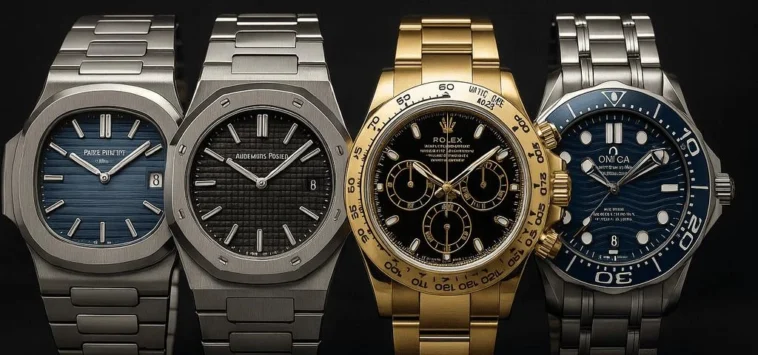
Some watches tell time. Some watches are a signature, a piece of engineering passed down for generations, backed by a waiting list longer than most car loans. The brands on this list have spent decades, sometimes centuries, building the kind of scarcity and craftsmanship that no marketing budget can manufacture.
We pulled verified 2025 sales data from Morgan Stanley and LuxeConsult’s ninth annual Swiss Watcher report, the industry’s most authoritative revenue tracker, to rank the ten watch brands actually dominating the luxury market right now, along with exactly why each one commands the prices it does.
Key Highlights (Quick Facts)
- Rolex leads the world’s luxury watch market at $13.5 billion in 2025 retail sales, more than three times bigger than the second-place brand, according to Morgan Stanley and LuxeConsult’s February 2026 report.
- Rolex alone accounts for roughly 33% of the entire Swiss watch market’s value, with an estimated 1.15 million watches sold in 2025 for total sales of approximately CHF 11 billion.
- Cartier holds the #2 spot at $4.0 billion in retail sales, having overtaken Omega in recent years to become the industry’s clear second-largest player by revenue.
- Audemars Piguet’s wholesale revenue grew 9% in 2025 to CHF 2.6 billion, allowing it to overtake Omega in wholesale terms even though Omega still edges ahead on retail value due to 2025 price increases.
- Patek Philippe’s average watch retails for approximately $57,400, among the highest average selling prices of any major brand, reflecting the manufacturer’s focus on complications and limited production.
- 2026 marks the 50th anniversary of Patek Philippe’s Nautilus collection, celebrated with a four-reference anniversary lineup unveiled at Watches and Wonders Geneva in April 2026.
- The top 5 brands — Rolex, Cartier, Audemars Piguet, Patek Philippe, and Omega — account for just over half of the entire Swiss luxury watch industry’s total value.
- Most top-tier manufacturers, including Rolex, Patek Philippe, and Audemars Piguet, are privately or family-owned and don’t publish audited financial results, meaning even industry analysts have to build revenue estimates from indirect data rather than official figures.
What Actually Drives Watch Brand Rankings
Before ranking the list, here’s what genuinely separates the biggest names in luxury watchmaking from the rest of the industry.
Controlled Scarcity
The biggest brands deliberately produce far fewer watches than market demand would support, creating waiting lists and secondary-market premiums that reinforce the perception of exclusivity — Rolex’s steel sports models remain a defining example of this strategy.
Vertical Manufacturing
Brands that manufacture their own movements, cases, and components in-house — rather than sourcing from third-party suppliers — command a genuine prestige premium, since in-house manufacturing signals a level of technical mastery outsourced production can’t fully replicate.
Heritage and Family Ownership
Centuries of continuous family ownership, as with Patek Philippe (Stern family) and Audemars Piguet (founding families), add a layer of authenticity and continuity that publicly traded conglomerates struggle to match, regardless of marketing spend.
Resale Market Strength
A brand’s strength on the pre-owned and auction market has become an increasingly important measure of genuine desirability, separate from retail sales figures — some brands sell well at retail but lose value immediately afterward, while others appreciate for decades.
Complication and Craftsmanship Depth
Brands producing genuine high complications — perpetual calendars, minute repeaters, tourbillons — earn a technical-prestige premium that simpler time-only watches, however well made, generally can’t command at the same price point.
The Top 10 Best Luxury Watch Brands in the World
Here is our researched, data-anchored ranking of the world’s best luxury watch brands, based on Morgan Stanley and LuxeConsult’s February 2026 industry report.
1. Rolex
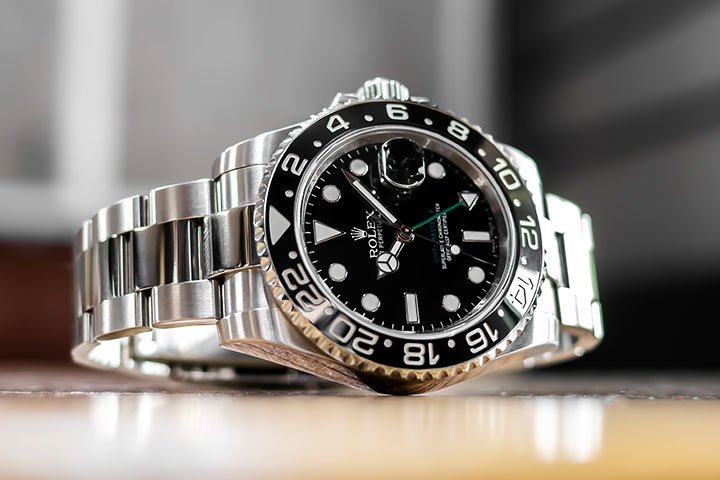
2025 Retail Sales: Approximately $13.5 billion (about CHF 11 billion)
Rolex’s position as the world’s dominant luxury watch brand remains genuinely unchallenged, commanding roughly 33% of the entire Swiss watch market’s value on its own — more than three times the revenue of the second-place brand. An estimated 1.15 million watches were sold in 2025, reinforcing a scale advantage no other manufacturer comes close to matching.
Its combination of controlled production, an unmatched global service and retail network, and decades of disciplined brand management have made core sports models like the Submariner and Daytona among the most consistently in-demand watches in the world, both at retail and on the secondary market.
Best known for: Submariner, Daytona, GMT-Master II. Ownership: Hans Wilsdorf Foundation (private).
2. Cartier
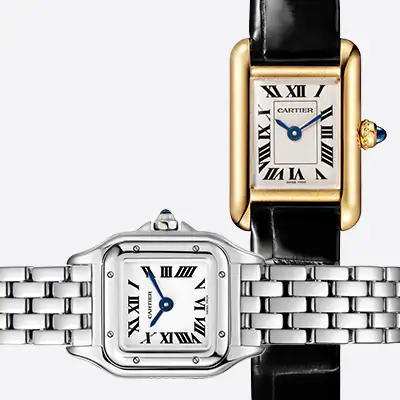
2025 Retail Sales: Approximately $4.0 billion
Cartier holds the clear #2 position by revenue, having overtaken Omega in recent years through a combination of strong jewelry-watch crossover appeal and renewed collector interest in its core watch lines. Its position is a useful reminder that pure sales ranking measures money, not necessarily traditional watchmaking prestige — Cartier’s business spans jewelry and watches together in a way the more specialized manufactures below it don’t.
Models like the Tank and Santos have become genuine style icons well beyond traditional watch-collecting circles, giving Cartier a broader mainstream reach than most of the brands ranked below it.
Best known for: Tank, Santos, Panthère. Category: Jewelry house and watchmaker.
3. Audemars Piguet
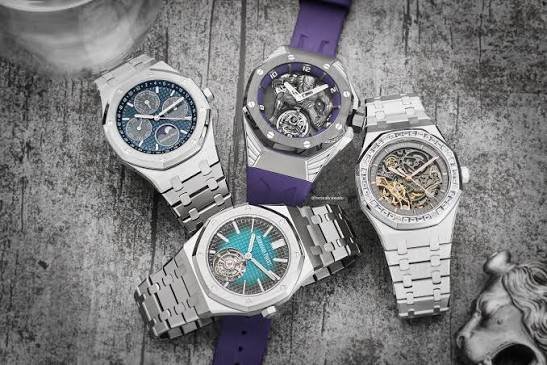
2025 Wholesale Revenue: CHF 2.6 billion (+9% year-over-year growth)
Audemars Piguet’s 9% wholesale growth in 2025 allowed it to overtake Omega in wholesale terms, even though Omega retains a narrow retail-value edge due to 2025 price increases. As one of the “Holy Trinity” of traditional Swiss watchmaking alongside Patek Philippe and Vacheron Constantin, AP leverages a 140-year legacy built on intricate in-house movements and increasingly avant-garde design.
The Royal Oak, designed by Gerald Genta and launched in 1972, remains the defining luxury sports watch — the piece that made steel genuinely desirable at a time when the industry still considered it a compromise material. The 2026 Neo Frame ranks among the brand’s most distinctive recent releases, continuing AP’s strategy of strategic scarcity paired with unwavering commitment to the Royal Oak’s original design integrity.
Best known for: Royal Oak, Royal Oak Offshore. Ownership: Founding Audemars and Piguet families (private).
4. Patek Philippe
2025 Wholesale Revenue: Approximately CHF 2.5 billion (~$3.0 billion)
Patek Philippe sold an estimated 72,000 watches in 2025, generating roughly CHF 2.5 billion in sales and holding about 7% of the Swiss watch market — figures that place it just behind Audemars Piguet in wholesale terms, though many collectors would still name Patek as the single most prestigious name in traditional watchmaking regardless of revenue ranking.
Founded in Geneva in 1839 and still family-owned by the Stern family, Patek’s average watch retails for approximately $57,400, among the highest average prices of any major manufacturer. 2026 marks the 50th anniversary of the Nautilus collection, celebrated with a four-reference anniversary lineup — including white gold and platinum models with the caliber 240 micro-rotor engraved “50 1976-2026” — unveiled at Watches and Wonders Geneva in April 2026.
Best known for: Nautilus, Calatrava, Aquanaut. Ownership: Stern family (private) since 1932.
5. Omega
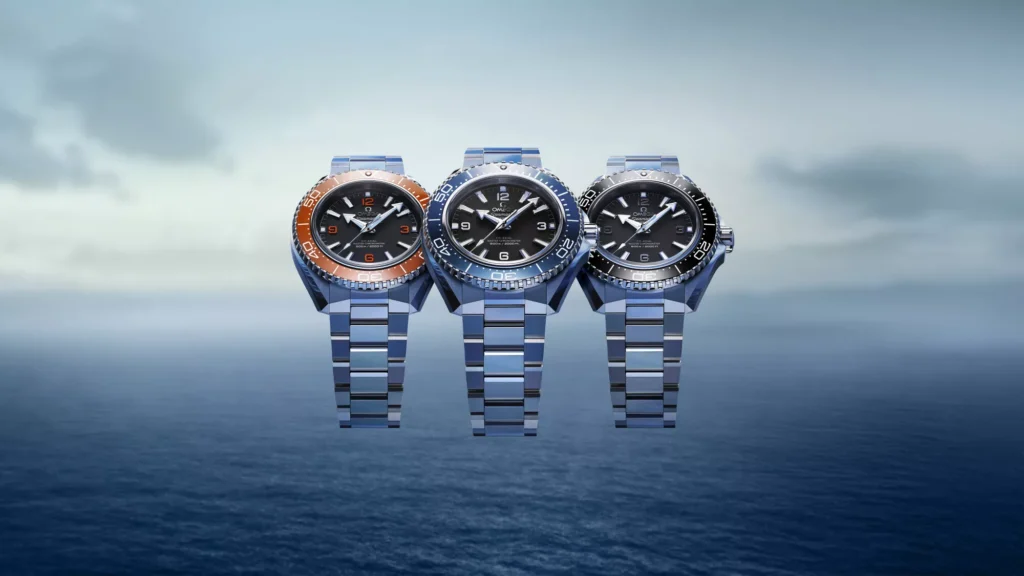
2025 Retail Sales: Approximately $3.4 billion
Omega has occupied a genuinely fluctuating position in recent years — for many years the clear #2 luxury watch brand, it slipped first to third behind Cartier and now sits fifth by wholesale terms as Audemars Piguet and Patek Philippe have surged ahead. On retail value specifically, though, Omega still edges ahead of AP, largely because its average pricing moved up sharply through 2025.
Product moves including the new Speedmaster Caliber 321 Constellation series, the Aqua Terra Worldtimer, and a refreshed Calibre 39 dress-watch lineup all pushed Omega’s average retail price upward through the year — a strategy that’s kept the brand competitive on revenue even as its unit volumes and market-share ranking have softened relative to the rising Holy Trinity brands above it.
Best known for: Speedmaster, Seamaster, Constellation. Notable heritage: Official NASA-worn watch brand (Moonwatch).
6. Richard Mille
Richard Mille has built one of the most striking growth stories in modern watchmaking, built almost entirely around extreme technical materials science — carbon composites, exotic alloys, and Formula 1-derived engineering — combined with genuinely aggressive, deliberately scarce production numbers.
Its position among the best watch brands for investment reflects a distinct four-part formula shared with Rolex, Patek Philippe, and Audemars Piguet: scarcity, brand authority, global demand, and strong secondary-market liquidity, according to 2026 investment analysis from specialist watch dealers. Richard Mille pieces routinely command some of the highest prices of any active manufacturer, often entering six or seven figures even before entering the secondary market.
Best known for: RM 011, RM 27-04 (tourbillon sports watches). Founded: 2001 — genuinely young relative to its Holy Trinity peers.
7. Longines
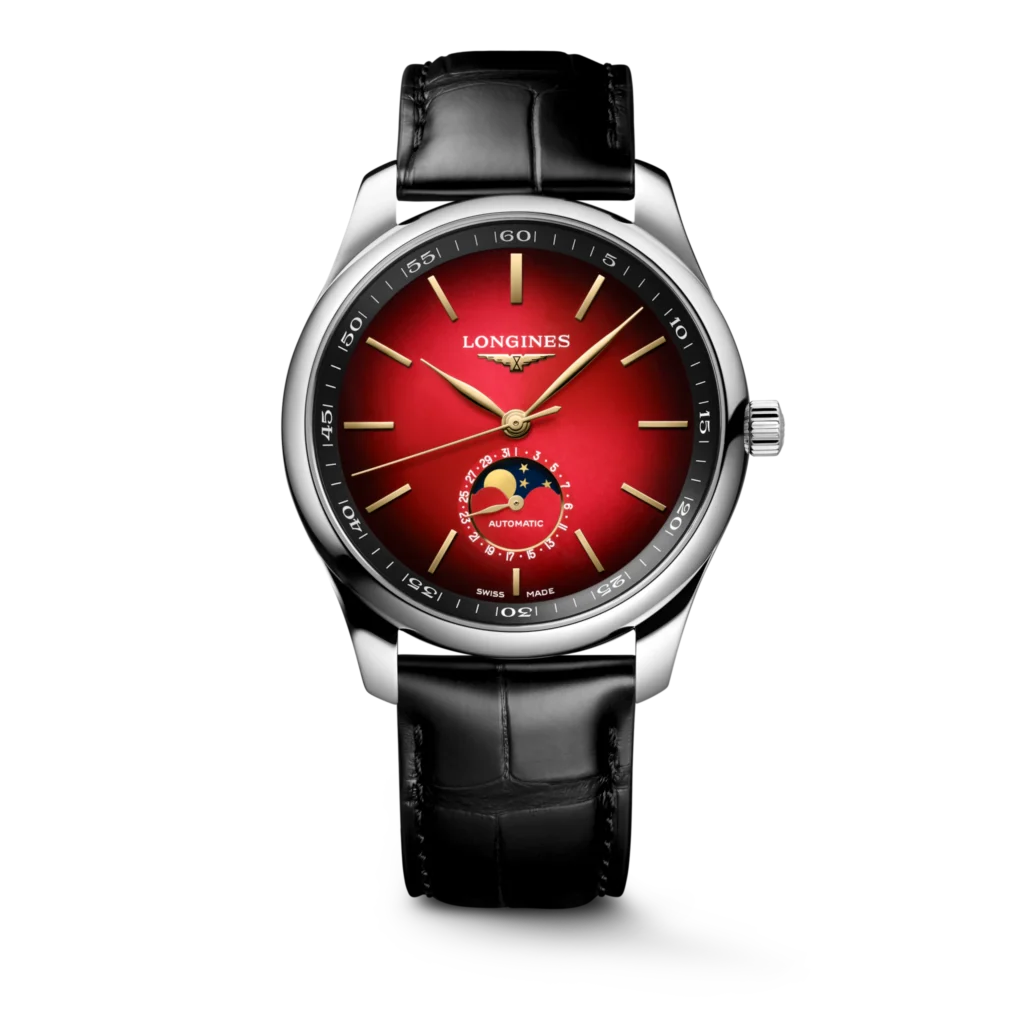
Longines represents accessible Swiss heritage watchmaking, offering genuine mechanical craftsmanship and a brand history dating to 1832 at price points meaningfully below the Holy Trinity tier above it on this list. Its presence in the top 10 by sales volume reflects broad global reach rather than ultra-luxury exclusivity.
Unlike several entries higher on this list, Longines watches can typically be purchased at retail without a waiting list — a genuinely different value proposition aimed at collectors and first-time luxury watch buyers rather than the scarcity-driven top tier.
Best known for: Master Collection, Spirit, HydroConquest. Parent group: Swatch Group.
8. Vacheron Constantin
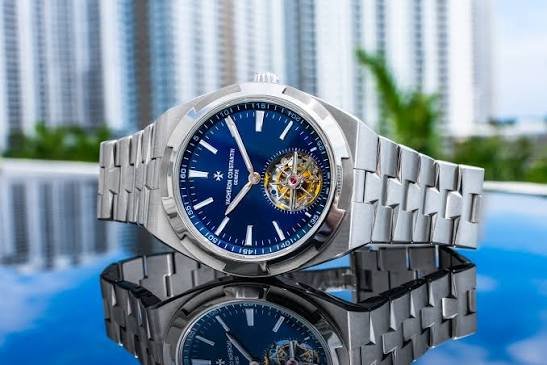
Vacheron Constantin completes watchmaking’s traditional “Holy Trinity” alongside Patek Philippe and Audemars Piguet, holding claim to being the world’s oldest continuously operating watch manufacturer, with roots dating to 1755. Its presence in the sales top 10, despite a smaller production volume than several brands above it, reflects genuinely elite average pricing across its catalog.
The brand’s Overseas and Patrimony collections combine historic in-house movement-making credentials with a design language that’s evolved to compete directly with AP’s Royal Oak and Patek’s Nautilus in the modern luxury sports-watch category.
Best known for: Overseas, Patrimony, Traditionnelle. Founded: 1755 — oldest continuously operating watch manufacturer in the world.
9. Breitling
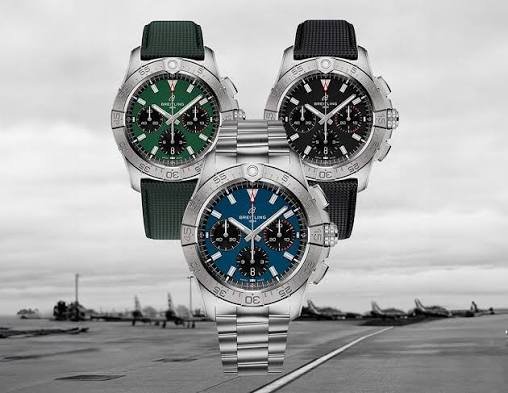
Breitling has built its modern identity around aviation heritage and genuinely robust, tool-watch-style engineering, appealing to a somewhat different collector base than the dress-watch-oriented brands elsewhere on this list. Its Chronomat and Navitimer lines remain closely associated with pilot and aviation culture specifically.
The brand’s continued top-10 sales presence reflects successful positioning as a genuine “gateway” Swiss luxury brand — accessible enough for first-time luxury buyers, while still carrying enough heritage and in-house movement credibility to hold long-term collector interest.
Best known for: Navitimer, Chronomat, Superocean. Heritage: Aviation and pilot-watch specialist since 1884.
10. Tissot
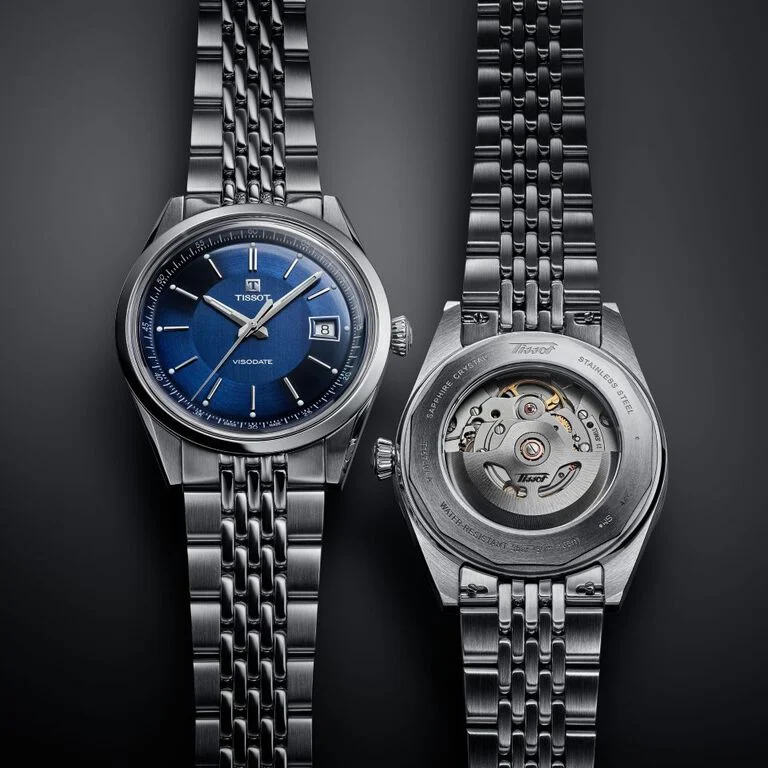
Tissot is the one genuine outlier on this list, not a traditional ultra-luxury house in the same sense as the nine brands above it, but its inclusion in the top 10 by sales volume is a useful reminder that this ranking measures money and unit sales, not prestige alone. Owned by the Swatch Group, Tissot delivers genuine Swiss watchmaking at accessible price points that move enormous unit volumes globally.
Its presence here underscores an important distinction for anyone shopping this list: Tissot, Longines, and Breitling entries can typically be bought this week at retail, while Patek, Rolex steel sports models, and Richard Mille pieces usually cannot, at least not at official retail price, which is exactly where the pre-owned market and specialist dealers become relevant.
Best known for: PRX, Le Locle, Seastar. Parent group: Swatch Group.
Important Statistics Table
| Brand | 2025 Sales (approx.) | Ranking Basis | Founded | Ownership |
| Rolex | $13.5B retail | Retail value | 1905 | Hans Wilsdorf Foundation (private) |
| Cartier | $4.0B retail | Retail value | 1847 | Richemont Group |
| Audemars Piguet | CHF 2.6B wholesale (+9%) | Wholesale (overtook Omega) | 1875 | Founding families (private) |
| Patek Philippe | CHF 2.5B wholesale (~$3.0B) | Wholesale | 1839 | Stern family (private) |
| Omega | $3.4B retail | Retail value (price-driven) | 1848 | Swatch Group |
| Richard Mille | Not publicly disclosed | Ultra-high average price point | 2001 | Private |
| Longines | Not publicly disclosed | Global sales volume | 1832 | Swatch Group |
| Vacheron Constantin | Not publicly disclosed | Elite average pricing | 1755 | Richemont Group |
| Breitling | Not publicly disclosed | Aviation/tool-watch niche leader | 1884 | CVC Capital Partners (majority) |
| Tissot | Not publicly disclosed | Highest unit volume in top 10 | 1853 | Swatch Group |
Source: Morgan Stanley × LuxeConsult, Ninth Annual Swiss Watcher report, published February 18, 2026, covering full-year 2025 data. Most top-tier manufacturers are privately or family-owned and do not publish audited financial results, so figures for brands outside the top 5 are drawn from broader industry estimates rather than official disclosures.
How Luxury Watch Pricing Actually Works (Step-by-Step)
- Controlled production sets the baseline scarcity, whether through Rolex’s famously restricted steel sports-model allocations or Richard Mille’s deliberately tiny production runs.
- In-house manufacturing adds a genuine cost and prestige floor, since developing, producing, and finishing proprietary movements is dramatically more expensive than sourcing third-party calibers, a cost that flows directly into retail pricing.
- Complication complexity multiplies price non-linearly. A simple time-only watch and a minute-repeating perpetual calendar from the same brand can differ in price by a factor of ten or more, reflecting the exponentially greater engineering and hand-finishing required.
- Brand ownership structure shapes long-term strategy. Family-owned manufactures like Patek Philippe and Audemars Piguet can prioritize decades-long scarcity strategies in ways publicly accountable conglomerates sometimes can’t.
- Secondary-market performance increasingly feeds back into primary pricing. Brands whose watches hold or gain value after purchase, like Rolex and Patek Philippe, can sustain higher retail prices and longer waiting lists than brands whose watches depreciate immediately.
- Retail markup and regional pricing add a final layer. The price a consumer pays at an authorized dealer varies by market and currency, and often sits considerably above the wholesale figures typically quoted in brand-revenue rankings like this one.
Pros and Cons Table
| Brand | Pros | Cons |
| Rolex | Unmatched scale, resale liquidity, global service network | Long waiting lists on most desirable sports models |
| Cartier | Broad style appeal beyond traditional watch collecting | Less specialized horological prestige than dedicated manufactures |
| Audemars Piguet | Strong 2025 growth, iconic Royal Oak design | Pricier than Rolex; limited availability |
| Patek Philippe | Peak prestige, genuine multi-generational heirloom value | Among the highest average prices of any major brand |
| Omega | Strong heritage (Moonwatch), broader accessibility than AP/Patek | Market-share ranking has softened in recent years |
| Richard Mille | Extreme materials innovation, strong investment characteristics | Very limited production; entry prices are exceptionally high |
| Longines | Genuine Swiss heritage at accessible prices | Less collector prestige than top-5 brands |
| Vacheron Constantin | Oldest continuous manufacturer, elite in-house movements | Smaller production volume limits mainstream visibility |
| Breitling | Strong aviation heritage, robust tool-watch engineering | Less dress-watch versatility than some competitors |
| Tissot | Genuinely accessible Swiss watchmaking, easy retail availability | Limited long-term collector prestige relative to rest of list |
Comparison Table: Top 10 Best Luxury Watch Brands
| Brand | Category | Typically Available at Retail? | Primary Collector Appeal |
| Rolex | Sports/dress luxury | Rarely (sports models) | Global scale, resale liquidity |
| Cartier | Jewelry-watch house | Often | Style, mainstream recognition |
| Audemars Piguet | Ultra-luxury sports | Rarely | Royal Oak heritage, growth momentum |
| Patek Philippe | Ultra-luxury traditional | Rarely | Multi-generational prestige |
| Omega | Accessible luxury | Often | Aviation/space heritage |
| Richard Mille | Ultra-high-end technical | Very rarely | Materials innovation, investment |
| Longines | Accessible Swiss heritage | Yes | Value-driven Swiss credentials |
| Vacheron Constantin | Ultra-luxury traditional | Rarely | Oldest manufacturer, elite finishing |
| Breitling | Aviation/tool watch | Often | Pilot heritage, robust engineering |
| Tissot | Entry Swiss luxury | Yes | Accessibility, high unit volume |
Current Trends in the Luxury Watch Market
The world’s biggest watch brands keep reshuffling beneath Rolex’s dominant position, and a few clear patterns stand out right now.
Rolex’s Lead Remains Genuinely Uncatchable
At more than three times the revenue of the #2 brand, Rolex’s market position shows no sign of meaningful challenge heading into the rest of 2026 — a scale advantage built on decades of disciplined production control that competitors haven’t been able to replicate.
The Holy Trinity Is Consolidating Its Position
Audemars Piguet’s 9% wholesale growth in 2025 pushed it past Omega, and Patek Philippe’s continued strength alongside it means the traditional “Holy Trinity” (Patek Philippe, Audemars Piguet, Vacheron Constantin) is pulling further ahead of mid-tier heritage brands like Omega in wholesale terms specifically, even where retail-value rankings still show a closer race.
Price Increases Are Reshaping Retail Rankings Independent of Volume
Omega’s 2025 retail-value strength, despite falling wholesale share, illustrates how brands are increasingly using price increases on redesigned flagship references — like the Speedmaster Caliber 321 Constellation — to defend revenue rankings even as unit-volume market share shifts toward competitors.
Investment-Grade Watch Collecting Continues Growing
Rolex, Patek Philippe, Audemars Piguet, and Richard Mille are increasingly discussed explicitly as investment assets, not just luxury purchases, with price-index tracking and secondary-market liquidity data now central to how serious collectors evaluate which brands to prioritize.
Anniversary and Heritage Marketing Remains a Major 2026 Driver
Patek Philippe’s Nautilus 50th-anniversary lineup, unveiled at Watches and Wonders Geneva in April 2026, exemplifies how the industry’s biggest names continue using major heritage milestones to generate headline collector demand well beyond ordinary annual releases.
Conclusion
The world’s best luxury watch brands share a common thread: none of them compete purely on price or availability. Whether it’s Rolex’s unmatched scale, Patek Philippe’s multi-generational prestige, or Richard Mille’s extreme materials engineering, genuine scarcity and decades of disciplined brand strategy sit behind nearly every name on this list — not just marketing. With the Holy Trinity brands continuing to consolidate their position and anniversary-driven demand (like Patek’s Nautilus 50th) generating fresh headlines throughout 2026, don’t expect Rolex’s lead, or the industry’s broader hierarchy beneath it, to shift dramatically anytime soon.
References
- WristBuzz – Best-Selling Luxury Watch Brands 2026: Full Top 20 List (Morgan Stanley × LuxeConsult data): https://www.wristbuzz.com/wristbuzz-exclusives/best-selling-luxury-watch-brands-2026/
- Time4Diamonds – Top 10 Watch Brands in the World 2026, Ranked by Sales: https://time4diamonds.com/blogs/articles/best-watch-brands
- LuxuryBazaar – Top 10 Luxury Watch Brands: Rolex, Cartier, Omega and More: https://www.luxurybazaar.com/grey-market/top-10-luxury-watch-brands/
- BeckerTime – The Top 5 Luxury Watch Brands 2026: https://beckertime.com/blog/the-top-5-luxury-watch-brands-2026/
- Haute Living – The Best Luxury Watch Brands to Know in 2026: https://hauteliving.com/2026/07/the-best-luxury-watch-brands-to-know-in-2026/792316/
- Vertu – Rolex vs. Patek Philippe vs. Audemars Piguet: The 2026 Luxury Watch Brands Market Share Battle: https://vertu.com/guides/rolex-vs-patek-philippe-vs-audemars-piguet-the-2026-luxury-watch-brands-market-share-battle
- Time4Diamonds – Best Luxury Watches to Buy in 2026: Top 10 Brands Ranked: https://time4diamonds.com/blogs/articles/best-luxury-watches-to-buy
- TPT Timepiece Trading – Best Watch Brands for Investment in 2026: https://timepiecetradingllc.com/blogs/news/best-watch-brands-for-investment-2026
FAQs
Rolex is the best-selling luxury watch brand, with approximately $13.5 billion in 2025 retail sales — more than three times the revenue of second-place Cartier, according to Morgan Stanley and LuxeConsult’s February 2026 report.
Many serious collectors would say yes. While Patek Philippe ranks fourth by 2025 revenue, its combination of continuous family ownership since 1932, genuine grand-complication expertise, and multi-generational heirloom reputation gives it a prestige standing that isn’t fully captured by sales figures alone.
Audemars Piguet’s wholesale revenue grew 9% in 2025 to CHF 2.6 billion, overtaking Omega in wholesale terms, even though Omega’s aggressive 2025 price increases on redesigned flagship models kept it slightly ahead on pure retail value.
The Holy Trinity refers to Patek Philippe, Audemars Piguet, and Vacheron Constantin — three historic Swiss manufactures widely regarded by collectors as representing the pinnacle of traditional independent watchmaking craftsmanship.
This ranking measures 2025 sales revenue and volume, not prestige. Tissot’s inclusion reflects genuinely high unit sales as an accessible Swiss watch brand, illustrating that a pure sales ranking answers a different question than “which brand is most prestigious.”
Often not immediately. Many of the most desirable references from Rolex, Patek Philippe, and Richard Mille are subject to genuine waiting lists at authorized dealers, which is why the pre-owned and specialist-dealer market plays such a significant role for collectors seeking specific models.


GIPHY App Key not set. Please check settings