 Balakumar L
Some places on this planet still refuse to make sense. Scientists have spent decades, sometimes centuries, trying to crack them. And in 2026, fresh research is rewriting what we thought we knew about the most mysterious places on Earth. From ancient temples older than the pyramids to oceans that swallow ships, here are 10 spots that still keep experts arguing.
The world’s most mysterious places, from ancient stone monuments to unexplained ocean zones — updated for 2026.
Table of Contents
- Key Highlights at a Glance
- The Top 10 Most Mysterious Places on Earth
- Mysterious Places Statistics Table
- Comparison Table: Age, Location & Mystery Type
- Pros and Cons of Visiting These Sites
- 2026 News and Trends
- Frequently Asked Questions
- References
Key Highlights at a Glance
- Göbekli Tepe in Turkey is around 11,600 years old, more than 6,000 years older than Stonehenge, per Britannica (2026).
- Stonehenge’s six-ton Altar Stone came from northeast Scotland, roughly 700 km away, confirmed by a Curtin University study published in June 2026.
- Easter Island’s Moai statues “walked” to their platforms, proven by a 2025 Journal of Archaeological Science paper using 18 people and rope.
- NOAA states the Bermuda Triangle is not statistically more dangerous than any other busy stretch of ocean.
- The Darvaza gas crater in Turkmenistan has been burning non-stop for over 50 years.
- Area 51 was only officially acknowledged by a US president in December 2013.
- The Nazca Lines cover more than 170 square miles of Peruvian desert and were carved between 500 BCE and 500 CE.
- Fresh 2026 excavations are reshaping the story of ancient civilization at multiple sites.
The Top 10 Most Mysterious Places on Earth
1. Göbekli Tepe, Turkey — The World’s Oldest Temple
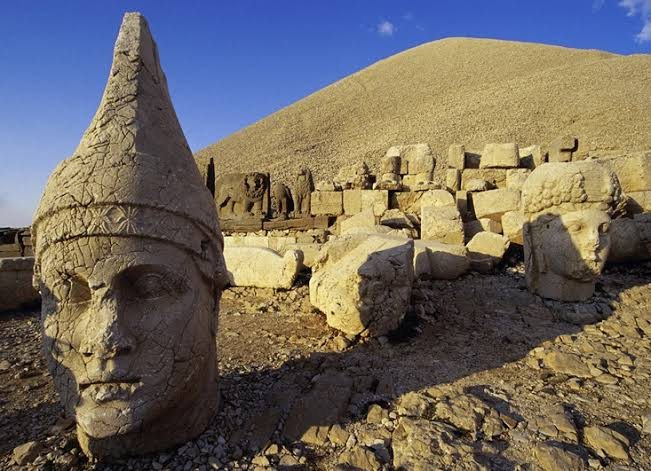
Location: Şanlıurfa, southeastern Turkey | Age: ~11,600 years
This is the most jaw-dropping ancient site on the list. According to Britannica and a February 2026 PBS NOVA feature, Göbekli Tepe dates to roughly 9600 BCE — older than agriculture, older than writing, and 6,000 years older than Stonehenge. Hunter-gatherers somehow quarried, carved, and stood up T-shaped limestone pillars weighing up to 20 tons. In September 2025, archaeologists found a 12,000-year-old human statue entombed inside one of its walls (Ancient Origins, 2025). Why an early civilization built this is still unknown.
2. Stonehenge, United Kingdom — A Stone Circle Built by Distant Strangers
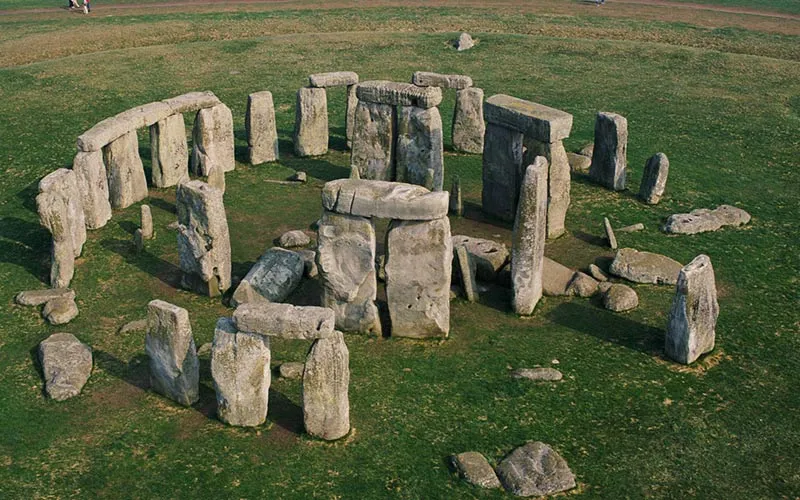
Location: Wiltshire, England | Age: ~5,000 years
Stonehenge is the most famous prehistoric monument in the world, and yet 2026 brought a stunning twist. Researchers from Curtin University and Sheffield Hallam published in the Journal of Quaternary Science (June 2026) that the central Altar Stone — six tons of sandstone — came from northeast Scotland, around 700 km from Salisbury Plain. Moving it that far in the Neolithic era points to a level of trade, planning, and organization no one expected.
Stonehenge’s Altar Stone traveled 700 km from Scotland, according to 2026 research from Curtin University.
3. Easter Island (Rapa Nui), Chile — The Statues That “Walked”
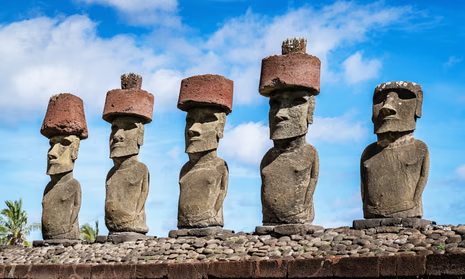
Location: Pacific Ocean, 3,500 km off Chile | Population then: Likely under 15,000
Easter Island has nearly 1,000 Moai statues, some weighing over 80 tons. How they moved them was a 500-year mystery. In October 2025, Carl Lipo (Binghamton University) and Terry Hunt (University of Arizona) published in the Journal of Archaeological Science that the Moai actually “walked” — rocked side-to-side with ropes by as few as 18 people. They tested the theory with a 4.35-ton replica and moved it 100 meters in 40 minutes.
4. Bermuda Triangle, North Atlantic — The Devil’s Triangle
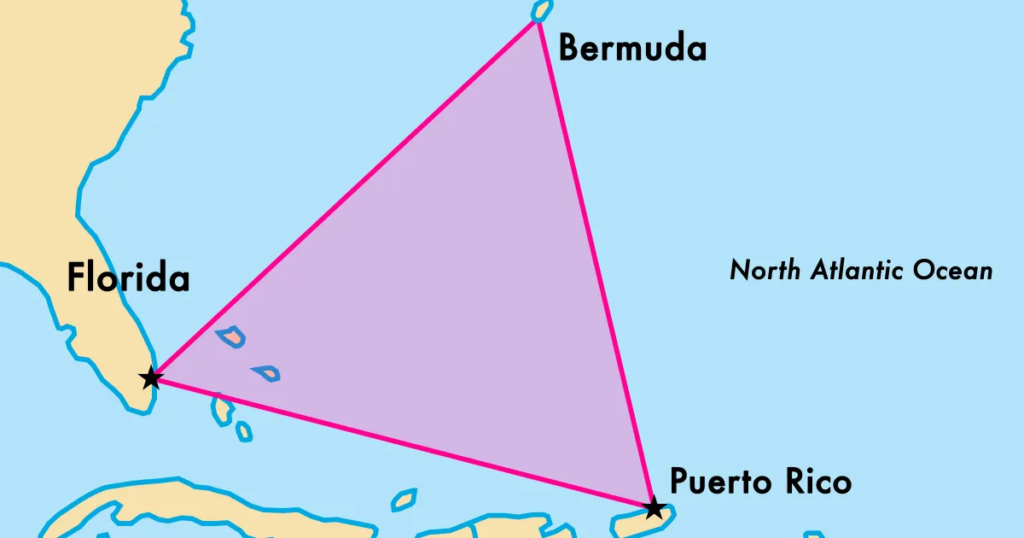
Location: Between Florida, Bermuda, and Puerto Rico | Area: ~500,000 sq miles
According to Britannica, more than 50 ships and 20 aircraft are said to have vanished here. But here’s the truth: the US National Oceanic and Atmospheric Administration (NOAA) says there’s no evidence disappearances happen more often here than in any other busy stretch of ocean. Bad weather, rogue waves, the agonic line, and plain human error explain most of it. The legend, though, refuses to die.
5. Nazca Lines, Peru — Giant Drawings Only Visible From the Sky
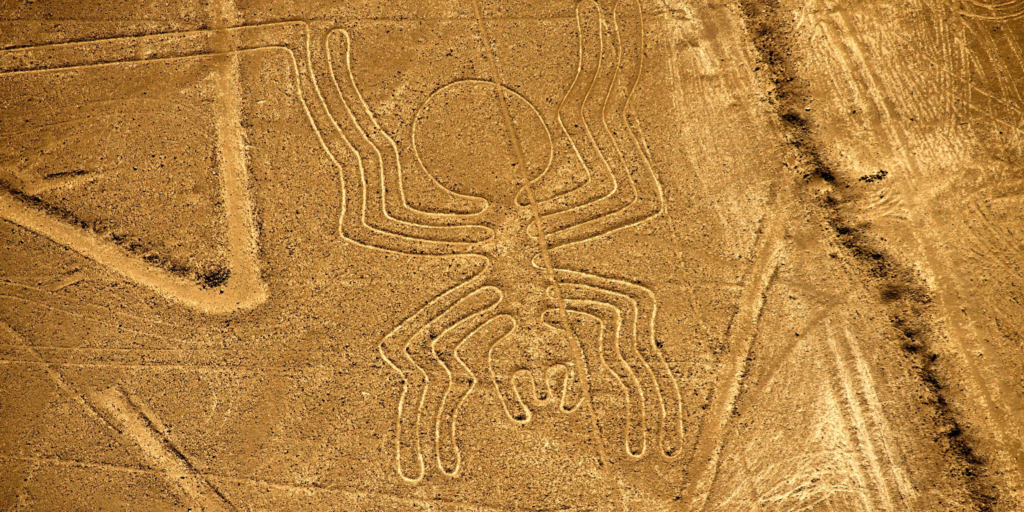
Location: Nazca Desert, southern Peru | Created: ~500 BCE to 500 CE
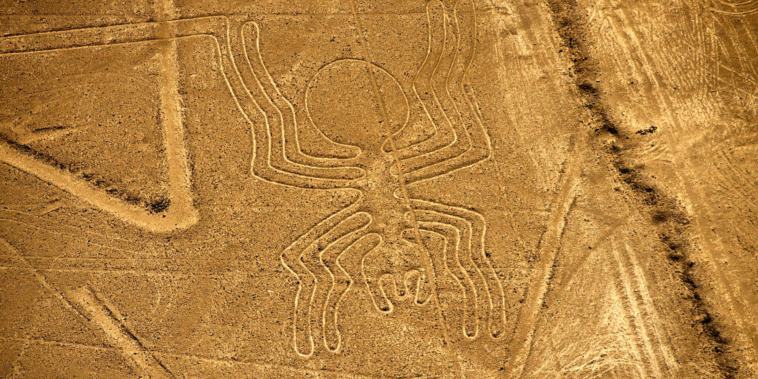
These geoglyphs spread across 170+ square miles and depict monkeys, spiders, hummingbirds, and geometric shapes so large you can only see them from the air. No one knows why pre-Columbian people made them. UNESCO-listed since 1994, the leading theories link them to water rituals or astronomical calendars. Satellite imaging in recent years has revealed even more shapes — but not the answer.
6. Area 51, Nevada, USA — The Base That Doesn’t Exist
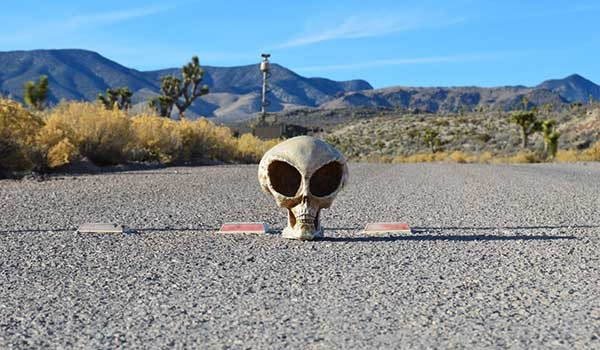
Location: Nevada Test and Training Range, USA | Status: Active military facility
The US government denied Area 51 existed until December 8, 2013, when President Obama publicly acknowledged it. Officially, it’s where the Air Force tests stealth aircraft. Unofficially? Theories range from alien autopsies to weather control to the Roswell crash storage. As of February 2026 (Zee News), it’s still one of the most secrecy-bound spots on the planet — and citizens cannot legally enter.
The Nazca Lines in southern Peru cover more than 170 square miles and remain one of archaeology’s biggest unsolved puzzles.
7. Great Pyramid of Giza, Egypt — The Original Wonder
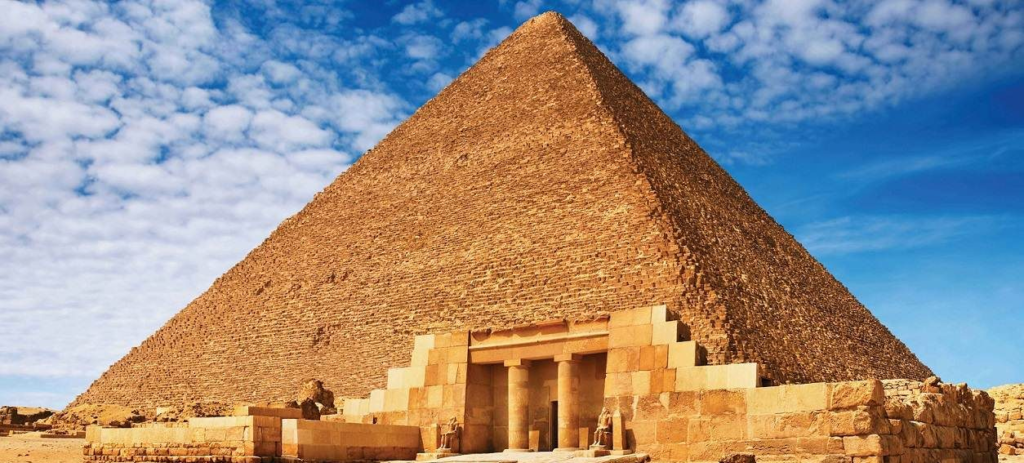
Location: Giza, Egypt | Age: ~4,500 years
Built around 2560 BCE, the Great Pyramid is the only surviving Wonder of the Ancient World. Even now, archaeologists do not fully agree on how 2.3 million stone blocks were precisely aligned. In 2023, a previously unknown internal chamber was detected using cosmic-ray muon imaging — and no one has been inside yet. Theories keep stacking up, from ramp systems to water-based transport.
8. Darvaza Gas Crater (Door to Hell), Turkmenistan
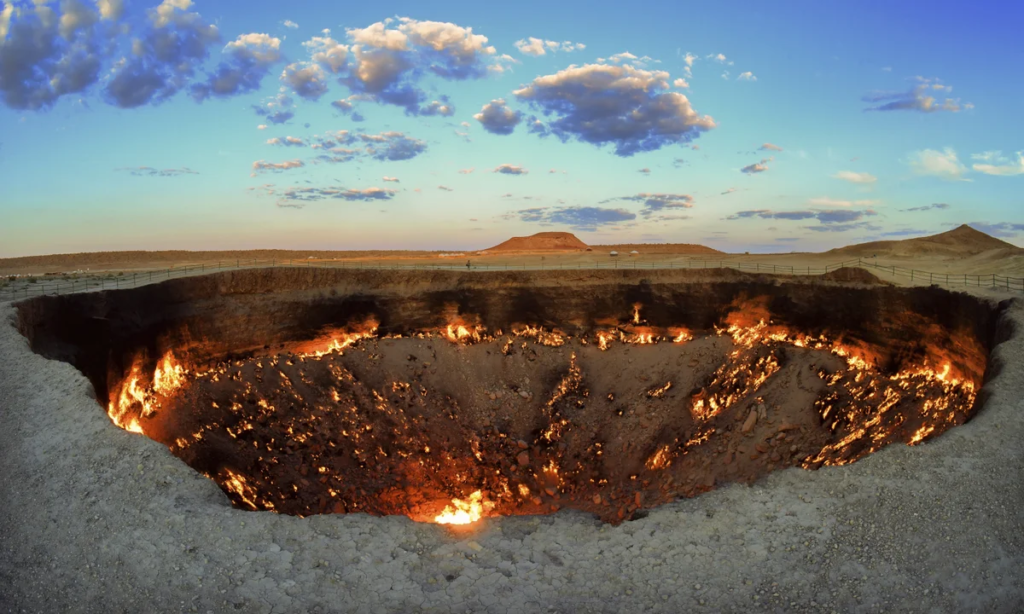
Location: Karakum Desert, Turkmenistan | Burning since: 1971
In 1971, Soviet geologists drilling for natural gas reportedly collapsed the ground into a 230-foot wide crater. To stop methane leaking, they set it on fire. They thought it would burn out in weeks. It has now been burning for over 50 years (per Zee News, 2026). The Turkmen government has talked about extinguishing it, but as of 2026 the flames still light up the desert sky.
9. Devil’s Kettle Falls, Minnesota, USA
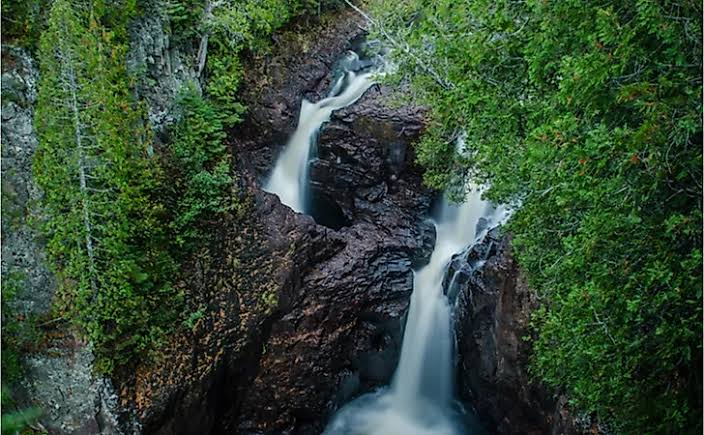
Location: Judge C.R. Magney State Park, Minnesota
This waterfall splits in two. One side flows into Lake Superior. The other vanishes into a hole and seemed, for decades, to disappear forever. People threw in ping-pong balls and dye to track it. In 2017, Minnesota DNR researchers finally figured out that the water simply rejoins the main flow underground. Most of the mystery is solved — but the visual is still surreal.
10. Lake Hillier, Western Australia — The Pink Lake
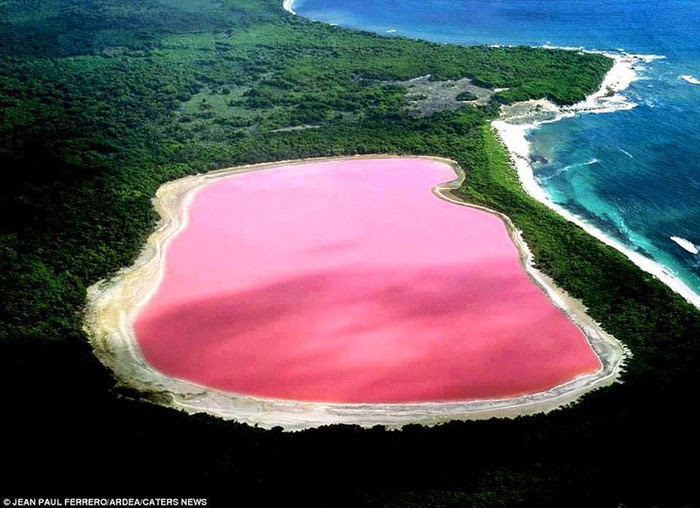
Location: Middle Island, Recherche Archipelago
This lake is bubblegum pink, year-round, and stays that color even in a glass. Scientists believe a mix of halophilic bacteria (Salinibacter ruber), Dunaliella salina algae, and extreme salinity create the hue, but the exact recipe still isn’t fully nailed down. You can only see it from a small plane or boat, which adds to the strangeness.
Lake Hillier in Western Australia stays bubblegum pink all year — and scientists still debate exactly why.
Mysterious Places Statistics Table
| Place | Year Discovered / Built | Approx. Annual Visitors | Status |
|---|---|---|---|
| Göbekli Tepe, Turkey | 1994 (excavation start) | ~700,000 (UNESCO 2024) | UNESCO World Heritage |
| Stonehenge, UK | Built ~3000 BCE | ~1.6 million (English Heritage) | UNESCO World Heritage |
| Easter Island, Chile | Settled ~1200 CE | ~100,000 (pre-COVID avg.) | UNESCO World Heritage |
| Nazca Lines, Peru | Rediscovered 1927 | ~80,000+ | UNESCO World Heritage |
| Great Pyramid, Egypt | Built ~2560 BCE | ~14 million (Egypt Tourism) | Ancient Wonder |
| Area 51, USA | Public acknowledgment 2013 | No public access | Active military base |
| Bermuda Triangle | Term coined 1964 | Heavy shipping/flight traffic | Not officially recognized |
| Darvaza Crater, Turkmenistan | Burning since 1971 | ~10,000 | Open access |
| Lake Hillier, Australia | Documented 1802 | Few thousand (restricted) | Nature reserve |
| Devil’s Kettle, USA | Long known | State park visitors | Public park |
Visitor numbers compiled from UNESCO, English Heritage, Egypt Ministry of Tourism, and national park sources, 2024–2026.
Comparison Table: Age, Location & Mystery Type
| Place | Country | Type of Mystery | Solved in 2026? |
|---|---|---|---|
| Göbekli Tepe | Turkey | Purpose of oldest temple | Partly |
| Stonehenge | UK | How stones were moved | Mostly (June 2026) |
| Easter Island | Chile | How Moai were transported | Yes (Oct 2025 study) |
| Bermuda Triangle | Atlantic Ocean | Ship/plane disappearances | Yes (NOAA: no anomaly) |
| Nazca Lines | Peru | Purpose of geoglyphs | No |
| Area 51 | USA | What happens inside | No (classified) |
| Great Pyramid | Egypt | Construction & inner chamber | Partly |
| Darvaza Crater | Turkmenistan | When fire will burn out | No |
| Devil’s Kettle | USA | Where water goes | Yes (2017) |
| Lake Hillier | Australia | Why it stays pink | Mostly |
Pros and Cons of Visiting These Mysterious Sites
| Pros | Cons |
|---|---|
| Once-in-a-lifetime experiences with deep history | Some sites are remote and expensive to reach |
| Photography is unmatched | Strict rules at UNESCO sites limit access |
| Direct contact with active archaeological research | Crowds at Stonehenge and Giza can be intense |
| Many sites are UNESCO-protected and well-preserved | Area 51 and parts of Antarctica are off-limits |
| Local guides share oral history not in books | Some destinations have political or visa challenges |
2026 News and Trends
The past 12 months have been huge for mystery hunters. In June 2026, the Journal of Quaternary Science confirmed Stonehenge’s Altar Stone originated in Scotland, not Wales — a result that fundamentally rewrites our view of Neolithic Britain. In October 2025, the long-debated “walking Moai” theory was confirmed using physics and 3D modeling, and a follow-up review in early 2026 strengthened the case. Göbekli Tepe revealed a 12,000-year-old human statue embedded in a wall in September 2025, and a new exhibit, Myths in Stone, opened at Berlin’s James-Simon Gallery on February 5, 2026. Egypt continues to investigate the secret chamber inside the Great Pyramid using muon imaging. The trend is clear: technology — DNA, cosmic-ray scanning, AI satellite analysis — is solving riddles that defied us for centuries.
Frequently Asked Questions
Q1. What is the most mysterious place on Earth in 2026? Göbekli Tepe in Turkey is widely considered the most mysterious, because it is 11,600 years old and rewrote what we knew about early human civilization.
Q2. Is the Bermuda Triangle real or a myth? According to NOAA and Britannica, there is no statistical evidence that more ships or planes disappear in the Bermuda Triangle than in any other busy ocean area. Most of the legend comes from sensationalist books.
Q3. Can tourists visit Area 51? No. Area 51 is an active US military facility. Civilians cannot enter, though you can visit nearby spots like the “Extraterrestrial Highway” in Nevada.
Q4. How did Easter Islanders move the Moai statues? A 2025 study in the Journal of Archaeological Science showed they “walked” the statues upright using ropes, with as few as 18 people rocking them in a zig-zag motion.
Q5. Why is Lake Hillier pink all year? Scientists believe a combination of halophilic bacteria, Dunaliella salina algae, and very high salinity gives it the pink color, though the exact mix is still being studied.
Q6. What’s new about Stonehenge in 2026? A June 2026 Curtin University study confirmed that the central Altar Stone came from northeast Scotland, about 700 km away — proof of long-distance Neolithic transport networks.
Q7. Is Göbekli Tepe older than the pyramids? Yes. Göbekli Tepe is around 11,600 years old, about 7,000 years older than the Egyptian pyramids.
References
- Britannica — Bermuda Triangle and Göbekli Tepe entries, 2026.
- NOAA (National Oceanic and Atmospheric Administration) — official statement on Bermuda Triangle.
- Journal of Quaternary Science (2026) — Clarke et al., “From Highlands to Henge: Refining the Provenance and Transport Pathways of Stonehenge’s Altar Stone.”
- Journal of Archaeological Science (2025) — Lipo & Hunt, “The walking moai hypothesis.”
- UNESCO World Heritage Centre — official site listings for Stonehenge, Nazca Lines, Easter Island, and Göbekli Tepe.
- Smithsonian Magazine, June 2026 — coverage of the Altar Stone study.
- PBS NOVA, “Stone Age Temple Mystery,” February 25, 2026.
- Ancient Origins, September 2025 — 12,000-year-old human statue at Göbekli Tepe.
- Binghamton University News, October 2025 — Moai “walking” confirmation.
- Zee News, February 2026 — World’s most mysterious places list.
- ScienceDaily, June 2026 — Stonehenge Altar Stone study summary.
- English Heritage — Stonehenge visitor statistics.
- Egypt Ministry of Tourism and Antiquities — Giza visitor data, 2024–2025.
Conclusion
The most mysterious places on Earth aren’t just tourist photo stops — they’re open scientific puzzles. Every year, new tools chip away at old riddles. In 2026 alone, three of the biggest mysteries on this list moved closer to answers. But for every solved question, a new one shows up. That’s exactly why these unexplained landmarks keep pulling us back. If you’re planning a 2026 bucket list, any of the top 10 most mysterious places on Earth will give you a story no one else can tell.



GIPHY App Key not set. Please check settings