 Balakumar L
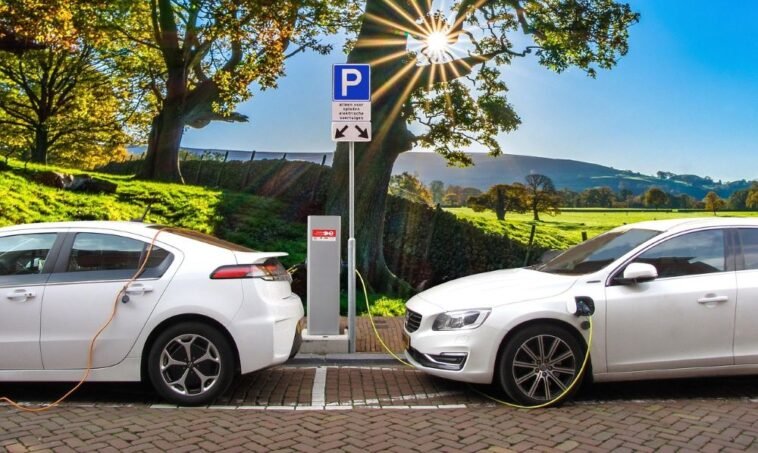
Real-world range, prices, charging specs, market data and expert recommendations — everything you need to pick the right EV in India right now.
India’s electric car market just had its biggest year ever. In CY2025, more than 1,76,000 electric cars were sold — a jump of 77% over the previous year. And in 2026, the choices have never been better, or more confusing.
You’ve got the MG Windsor EV stealing Tata’s bestseller crown. Mahindra launching sports-car-quick SUVs under ₹22 lakh. Maruti finally entering the EV space with a 543 km range claim. And a dozen more options crowding every price band from ₹5 lakh to ₹55 lakh.
So which best electric car in India 2026 should you actually buy? This guide cuts through the noise with real data, real-world range numbers, and honest recommendations. No fluff — just facts.
Key Highlights — India EV Market 2026
- MG Windsor EV is India’s #1 selling electric car for CY2025 with 46,735 units — ending Tata Nexon EV’s multi-year reign.
- Three brands dominate 86%+ of India’s EV market: Tata (39%), JSW MG Motor (26%), Mahindra (21%) in FY2026.
- Mahindra’s INGLO-platform SUVs (BE 6, XEV 9e, XEV 9S) grew their EV volume over 5× in FY2026, reaching 42,721 units.
- GST on EVs stays at 5% — a huge saving vs 18–40% on ICE cars after the GST 2.0 reform of September 2025.
- Private e-4W cars are NOT subsidised under PM E-DRIVE (which replaced FAME II in October 2024). Savings come from 5% GST and state waivers.
- India has 27,737 public chargers (22,753 operational as of March 2026) — but needs 1.32 million by 2030 to keep pace with EVs.
- Running cost is ~₹1.06–1.20/km vs ~₹7.00–7.50/km for petrol — savings of ₹70,000–1,20,000 per year for a typical 30 km/day commuter.
- Maruti e Vitara is the only electric car backed by India’s largest service network (1,500+ EV-ready outlets) — critical for non-metro buyers.
India EV Market Statistics 2025–2026
The numbers tell a clear story. India’s electric passenger car segment crossed a major milestone in FY2026, touching nearly 2 lakh units for the first time. But it’s still just 6.6% of total passenger car sales — meaning the real boom is still ahead.
OEM Market Share — FY2026
| OEM | FY2026 EV Volume | Market Share | YoY Growth |
|---|---|---|---|
| Tata Motors | 78,811 | ~39% | +36% |
| JSW MG Motor India | 47,574+ | ~26.4% | +165% |
| Mahindra | 42,721 | ~21% | +500%+ |
| Hyundai | 6,726 | ~4% | +120%+ |
| BYD | 5,402 | ~3% | +88% |
| Kia | 2,398 | — | +620% |
| Maruti Suzuki | 1,416 (Feb–Mar 2026) | — | First entry |
Source: Autocar India, EVreporter, Cartoq — FY2026 = April 2025 to March 2026.
Top 10 Best Electric Cars in India 2026
Each car below is ranked based on a combination of real-world performance, value for money, features, charging speed, and actual sales. Prices are ex-showroom unless noted.
MG Windsor EV / Windsor EV Pro
Tata Nexon EV (45 kWh)
Tata Punch EV (40 kWh — 2026 Facelift)
Mahindra BE 6
Tata Harrier EV
Hyundai Creta Electric
Maruti Suzuki e Vitara
MG Comet EV
Kia Carens Clavis EV
Full Comparison Table — Top 10 Best Electric Cars India 2026
All specs at a glance. Prices are ex-showroom (outright). Ranges are manufacturer-claimed (ARAI/MIDC) unless marked as real-world (RW).
| # | Model | Price (₹ lakh) | Battery (kWh) | Claimed Range (km) | 0–100 (s) | DC Fast Charge | Boot (L) | Seats |
|---|---|---|---|---|---|---|---|---|
| 1 | MG Windsor EV Pro | 14.00–18.60 | 38 / 52.9 | 332 / 449 | ~9.0 | 60 kW, ~50 min | 604 | 5 |
| 2 | Tata Nexon EV (45 kWh) | 12.49–17.49 | 30 / 45 | 275 / 489 | 8.9 | 60 kW, 40 min | 350 | 5 |
| 3 | Tata Punch EV (40 kWh) | 9.69–12.59 | 30 / 40 | 365–468 | ~9.0 | 65 kW, 26 min | ~366 | 5 |
| 4 | Mahindra XEV 9e | 21.90–30.50 | 59 / 79 | 542 / 656 | 6.8 | 175 kW, <20 min | 365 | 5 |
| 5 | Mahindra BE 6 | 18.90–26.90 | 59 / 79 | 557 / 683 | 6.7 | 175 kW, <20 min | — | 5 |
| 6 | Tata Harrier EV | 21.49–30.23 | 65 / 75 | 538 / 627 | 6.3 (AWD) | 120 kW, 25 min | 502 | 5 |
| 7 | Hyundai Creta Electric | 17.99–24.70 | 42 / 51.4 | 390–510 | 7.9 | 100 kW, 39 min | 433 | 5 |
| 8 | Maruti e Vitara | 15.99–20.01 | 49 / 61 | 440 / 543 | ~8.7 | DC supported | ~300 | 5 |
| 9 | MG Comet EV | 4.99–6.84 | 17.3 | 230 | — | No DC | — | 4 |
| 10 | Kia Carens Clavis EV | 17.99–24.99 | 42 / 51.4 | 404 / 490 | — | CCS2 DC | — | 6/7 |
Note: USD conversion at ₹83 = $1 (mid-2026 indicative). Verify pricing with dealers before booking.
Best-Selling Electric Cars in India — CY2025 Rankings
According to data compiled from Autocar India, Cartoq and EVreporter, here is how the top 10 electric cars actually sold in the full calendar year 2025:
| Rank | Model | Units Sold (CY2025) | Key Factor |
|---|---|---|---|
| 1 | MG Windsor EV | 46,735 | BaaS pricing, aggressive features |
| 2 | Mahindra XEV 9e | 24,951 | INGLO launch boom (Nov 2024) |
| 3 | Tata Nexon EV | 22,878 | Proven trust, 5-star NCAP |
| 4 | Tata Punch EV | 17,966 | Affordable entry, best value |
| 5 | Tata Tiago EV | 15,127–17,145 | Sub-₹10 lakh entry EV |
| 6 | Mahindra BE 6 | 13,890 | Performance EV, INGLO platform |
| 7 | Tata Harrier EV | 10,836 | AWD, long range, premium |
| 8 | MG Comet EV | ~10,149 | Cheapest EV, city use |
| 9 | Hyundai Creta Electric | 7,663 | Refinement, real-world range |
| 10 | BYD Sealion 7 / Atto 3 | 5,400+ combined | Premium imports, performance |
Source: Autocar India, Cartoq, EVreporter — compiled from VAHAN registration data. Some figures vary slightly across sources.
Pros & Cons of Buying an Electric Car in India in 2026
Electric cars make a lot of financial sense for city commuters with home charging. The calculus changes if you live far from charging infrastructure. Here’s the honest breakdown:
- Running cost ~₹1.06–1.20/km vs ₹7.00–7.50/km for petrol — savings of ₹70,000–1,20,000/year for a 30 km/day commuter
- GST is only 5% — vs 18% for small petrol cars and 40% for mid-size/luxury ICE after GST 2.0 (Sept 2025)
- State incentives: road-tax waivers, registration fee exemptions, scrappage bonuses in Delhi, Maharashtra, Karnataka, Gujarat, Tamil Nadu
- Better warranty than ICE — 8-year or lifetime battery warranties now standard across Tata, Maruti, Hyundai, Mahindra
- Instant torque, silent cabin — genuinely superior to ICE in urban stop-and-go traffic
- Fewer service items — no oil changes, no clutch wear, regenerative braking cuts brake pad wear dramatically
- Improving resale values — especially Nexon EV and Windsor EV as used EV market matures
- 91% of national highways now have a fast charger within 50 km (TATA.ev Report 2025)
- Charging infrastructure thin outside Tier-1 cities — just 1 public charger per 235 EVs vs global benchmark of 1:6–20
- Real-world range 20–30% below ARAI/MIDC claims — especially with AC on at highway speeds
- High upfront cost — most usable EVs sit above ₹15 lakh; BaaS reduces cost but adds per-km fee
- AC home charging takes 6–10 hours — DC fast charging is faster but costs ₹18–25/kWh
- Apartment / RWA hurdles for installing home chargers remain widespread across India
- Insurance is 5–15% higher than ICE equivalents due to battery replacement costs
- Resale uncertainty for newer models — rapid tech changes (38 kWh Windsor overshadowed by 52.9 kWh Pro within one year)
- BaaS resale complication — BaaS-registered EVs are trickier to resell
Honourable Mentions & Major 2026 EV Launches in India
These models either launched very recently in 2026, are arriving soon, or occupy niche premium segments worth knowing about:
| Model | Launch | Price (ex-showroom) | Battery / Range | Why It Matters |
|---|---|---|---|---|
| Mahindra XEV 9S | Nov 2025 launch; Jan 2026 deliveries | ₹19.95–29.45 lakh | 59/70/79 kWh; up to 679 km | India’s first 7-seater built ground-up on a dedicated EV platform; 5-star Bharat NCAP; 0–100 in 7.0 s |
| Hyundai Ioniq 5 (2026 facelift) | 28 April 2026 | ₹55.70 lakh | 84 kWh; 690 km ARAI | 350 kW DC charging (10–80% in 18 min) — fastest charging EV in India by far |
| BYD Sealion 7 | Feb 2025 | ₹48.90–54.90 lakh | 82.56 kWh; 567 km NEDC | 0–100 in 4.5 s (Performance AWD); 11 airbags; ADAS; 5,400 CY2025 units |
| BYD Atto 3 | On sale | ₹24.99–33.99 lakh | 60.5 kWh; 521 km | Established compact electric SUV; BYD hiking price 1–2% from July 2026 |
| Volvo EX30 | 23 Sept 2025 | ₹41.00 lakh | 69 kWh; 480 km WLTP | 2024 World Urban Car winner; 0–100 in 5.3 s; most distinctive small premium EV in India |
| Tata Sierra EV | Expected Q2 FY27 (Jul–Sep 2026) | ~₹18–25 lakh (est.) | ~65/75 kWh; ~500 km | Revival of iconic 1990s Tata nameplate on Acti.ev+ platform |
| VinFast VF6 / VF7 | Sept 2025 onwards | ₹16.49–25.49 lakh | — | Vietnamese brand entering India with Tamil Nadu assembly; 826 units in ~3 months |
2026 Trends & Current News in India’s EV Market
India’s EV segment is moving faster than any other auto market right now. Here’s what’s actually changing in 2026 that affects your buying decision:
PM E-DRIVE — Not FAME III
PM E-DRIVE replaced FAME II on 1 Oct 2024 with a ₹10,900 crore outlay. Private e-4W cars are not directly subsidised. Only e-buses, e-trucks, e-2W, e-3W, e-ambulances and charging infra qualify. The 4-wheeler subsidy ended with FAME II.
GST 2.0 — EVs Still at 5%
The sweeping GST 2.0 reform of 22 September 2025 left EV GST unchanged at 5%. ICE cars now face 18% (small petrol) to 40% (large SUVs/luxury). EV chargers: 5%. Public charging services: 18%.
Highway Charging Improving
91% of national highways have a DC fast charger within 50 km (TATA.ev India Charging Report 2025). Karnataka, Delhi, Kerala and Punjab have 100% NH coverage. India targets 72,300 new chargers via PM E-DRIVE ₹2,000 crore allocation.
Mahindra’s 5× Growth Reshapes Rankings
Mahindra’s INGLO-platform SUVs (BE 6, XEV 9e, XEV 9S) drove FY2026 volume to 42,721 units — more than 5× the FY2025 number. Combined with MG Windsor’s breakout year, Tata’s near-monopoly on India’s EV market is now a three-way contest.
Delhi EV Policy 2.0 Targets 95% EVs by 2027
Delhi’s EV Policy 2.0 aims to make 95% of new vehicle registrations electric by 2027, with a stretch goal of 98% by 2030. Multiple states including Maharashtra, Karnataka, Gujarat, and Tamil Nadu offer road-tax waivers and registration fee exemptions.
BYD Hiking Prices from July 2026
BYD India announced a 1–2% price hike for Atto 3, Seal, and Sealion 7 from July 2026. Tata adjusted Harrier EV variant pricing in March 2026. Prices across segments continue to shift — always verify before booking.
“Currently, 91% of national highways have a fast charger within a 50 km radius. States like Karnataka, Delhi, Kerala, and Punjab have 100% coverage for NH fast chargers.”
— TATA.ev India Charging Report 2025, as reported by Autocar Professional (July 2025)Step-by-Step EV Buyer’s Guide — Which One Should You Buy?
Before picking a model, answer these four questions. They’ll narrow down your choice faster than any spec comparison.
Step 1 — Do you have access to home charging?
This is the single most important factor for EV ownership satisfaction in India. If you live in a standalone house or have a dedicated parking spot in an apartment where the RWA allows a charger installation, you’re set. If not, you’ll depend entirely on public chargers — which changes the value equation significantly.
Step 2 — What is your daily driving distance?
Under 50 km/day? Almost any EV works, including the Comet EV. 50–100 km/day? You need at least a 40 kWh battery. Over 100 km/day with occasional highway runs? Look at 51 kWh+ packs and ensure there’s a fast charger on your regular route.
Step 3 — Where do you live?
In a metro or Tier-1 city (Delhi, Mumbai, Bengaluru, Chennai, Hyderabad, Pune)? Any brand works. In a Tier-2 or Tier-3 city? Prioritise the Maruti e Vitara for its unmatched 1,500+ EV-ready service centres, or the Tata models which have the second-widest EV service network. Avoid BYD and Volvo unless a dealer is nearby.
Step 4 — What is your total budget?
BaaS tip: Battery-as-a-Service only saves money if you drive under 1,000 km/month. Above that, outright purchase is cheaper over 5 years. Run the numbers before signing up.
Frequently Asked Questions — Best Electric Cars India 2026
The Best Electric Car in India 2026 — Our Verdict
India’s best electric car in 2026 isn’t one car — it’s the right car for your situation. The Tata Punch EV 40 kWh is the smartest first EV for most Indian families. The MG Windsor EV Pro is the best comfort-value pick in the ₹15–18 lakh band. The Mahindra BE 6 / XEV 9e are the most performance-packed EVs under ₹32 lakh anywhere in the world. And the Maruti e Vitara is the safest long-term bet if you live outside India’s top 10 cities.
The running costs, the improving charging network, the 5% GST, and the 8-year to lifetime battery warranties together make 2026 the best year yet to switch. Just make sure you have home charging sorted first — that single factor still determines whether EV ownership is genuinely satisfying or mildly frustrating in India today.
References & Trusted Sources
- EVreporter — India’s Electric Vehicle Sales Trend, May 2026: evreporter.com
- Autocar India — EV Sales in India Hit Nearly 2 Lakh Units in FY2026: autocarindia.com
- Autocar India — EV Sales Jump 77% to Hit Record High in CY2025: autocarindia.com
- autoX — MG Windsor EV Becomes India’s Best-Selling Electric Car in 2025: autox.com
- Tata Motors Official — Nexon EV Specifications: ev.tatamotors.com
- Tata Motors Official — Punch EV 2026 Specifications: ev.tatamotors.com
- Mahindra Official Press Release — BE 6 and XEV 9e Prices: mahindra.com
- Maruti Suzuki Official — e Vitara BaaS Launch Press Release (Feb 2026): marutisuzuki.com
- Kia India Official — Carens Clavis EV Showroom: kia.com
- MG Motor India Official — Windsor EV: mgmotor.co.in
- NewsBytes — MG Windsor EV Hits 50,000 Sales Milestone in Record Time: newsbytesapp.com
- Cartoq — India’s EV Market 2025 / Cars & Brands That Dominate: cartoq.com
- The Munim — GST on Electric Vehicles in India 2026: themunim.com
- ClearTax — GST on Electric Vehicles: Latest Rates and Impact: cleartax.in
- MMCM — EV Charging Infrastructure in India: Status, Types & 2030 Targets: mmcm.in
- E-Vehicle Info — Delhi EV Policy 2.0: e-vehicleinfo.com
- Volvo Cars Global Newsroom — EX30 Named 2024 World Urban Car: media.volvocars.com
- The Week — Mahindra XEV 9S Launched: Price, Specs & Features: theweek.in
- BYD India Official — Sealion 7 Specs: bydautoindia.com
- Republic World — BYD India Price Hike July 2026: republicworld.com
Disclaimer: Prices, specs and policies are subject to frequent change. Always verify with the manufacturer or authorized dealer before making a purchase decision. USD conversions at ₹83 = $1 (indicative mid-2026 rate).



GIPHY App Key not set. Please check settings