 Sakthi Varna
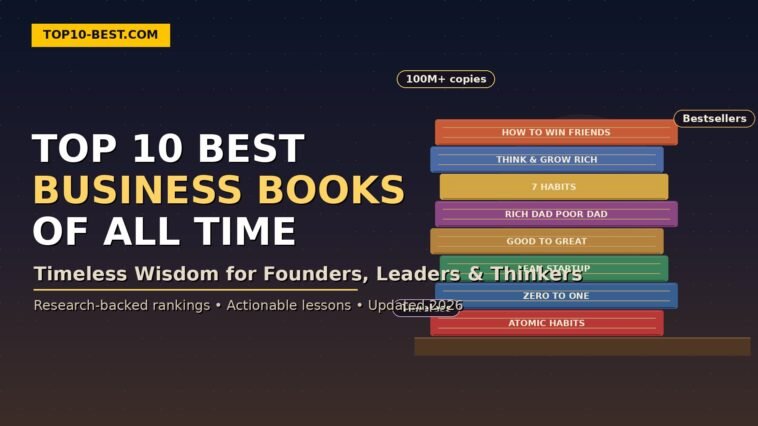
Some business books get you fired up for a week. A few actually change how you think for the rest of your life. James Clear’s Atomic Habits alone has crossed 30 million copies sold worldwide in 2025 (BigSpeak), and older classics like How to Win Friends and Influence People have quietly sold over 30 million more since 1936. So which ones actually deserve your bookshelf? Here are the top 10 best business books of all time — with real sales data, the exact ideas that made each one famous, and who should read them first.
The top 10 best business books of all time — ranked by sales, influence, and lasting relevance in 2026.
Table of Contents
- Key Highlights at a Glance
- The Top 10 Best Business Books of All Time
- Sales & Ratings Statistical Report
- Comparison Table: Books, Authors & Ideas
- Pros and Cons of Reading Business Books
- Step-by-Step: How to Actually Learn from a Business Book
- 2026 Trends in Business Reading
- Frequently Asked Questions
- References
Key Highlights at a Glance
- Atomic Habits by James Clear has officially crossed 30 million copies sold worldwide and is translated into 60+ languages (BigSpeak, 2025).
- Rich Dad Poor Dad by Robert Kiyosaki is the #1 personal finance book of all time, with over 32 million copies sold globally (Audible).
- The 7 Habits of Highly Effective People by Stephen R. Covey has over 40 million copies sold across 40+ languages.
- How to Win Friends and Influence People (1936) still holds a 4.21 average across 1.17 million Goodreads ratings — 90 years later.
- Good to Great by Jim Collins is used by S&P 500 companies for strategic planning in 2026 (Leadership Books, January 2026).
- The Lean Startup by Eric Ries is now “foundational for digital transformation” (Leadership Books, 2026).
- Never Split the Difference by Chris Voss has a 4.33 average rating — the highest of any modern business book on Goodreads.
- The Harvard Business Review Store lists Clayton Christensen’s The Innovator’s Dilemma as “one of the most influential business books of all time.”
The Top 10 Best Business Books of All Time
1. How to Win Friends and Influence People — Dale Carnegie (1936)
Best for: Communication, sales, leadership | Copies sold: 30 million+ | Goodreads: 4.21 (1.17M ratings)
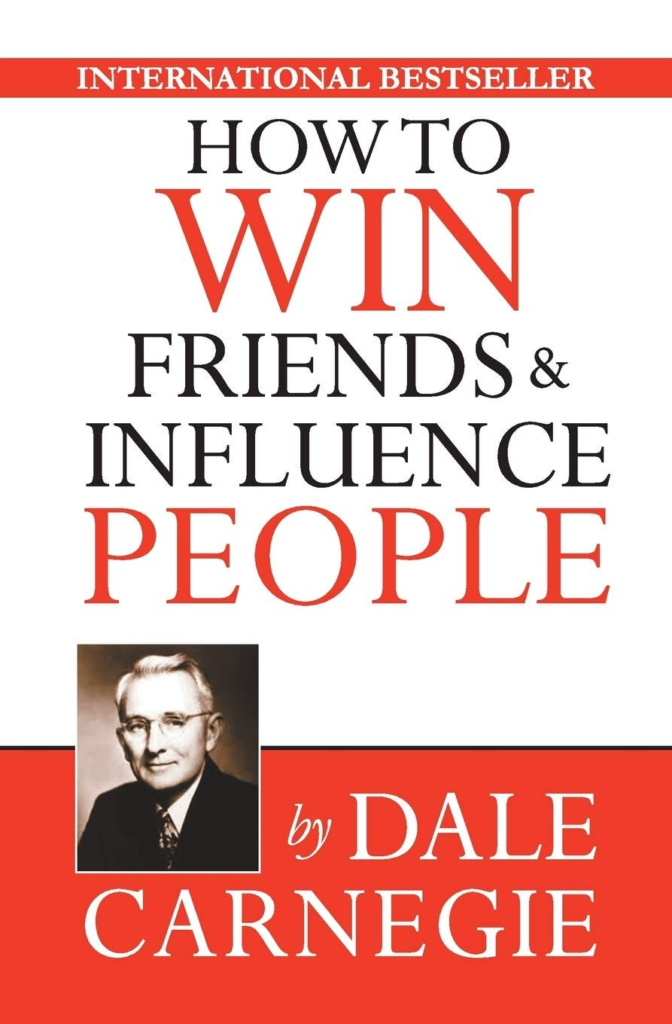
Almost 90 years old and still selling. Carnegie’s core lesson is deceptively simple: people don’t care how much you know until they know how much you care. The book teaches practical techniques — remember names, be genuinely interested, make the other person feel important. Warren Buffett famously credits a Dale Carnegie course for the confidence that built his career. If you can only read one business book in your life, most CEOs would tell you to start with this one.
Key takeaway: “The only way to get the best of an argument is to avoid it.”
2. Think and Grow Rich — Napoleon Hill (1937)
Best for: Mindset, wealth-building | Copies sold: 100 million+ | Legacy: Foundational
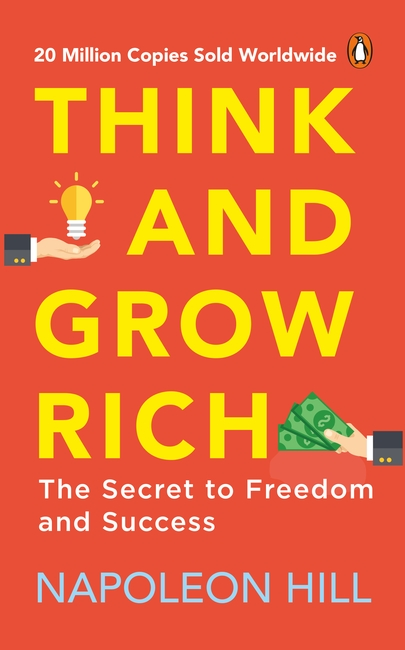
Napoleon Hill spent 20 years interviewing the wealthiest Americans of his era — Andrew Carnegie, Henry Ford, Thomas Edison — to figure out what they had in common. The result is 13 principles including Desire, Faith, Persistence, and the Mastermind concept (the idea that a small group of like-minded people accelerates each member’s success). Some language feels dated, but its influence is undeniable. Almost every modern self-help and business book traces back to this one.
Key takeaway: “Whatever the mind can conceive and believe, it can achieve.”
3. The 7 Habits of Highly Effective People — Stephen R. Covey (1989)
Best for: Personal effectiveness, leadership | Copies sold: 40 million+ | Goodreads: 4.16 (836K ratings)
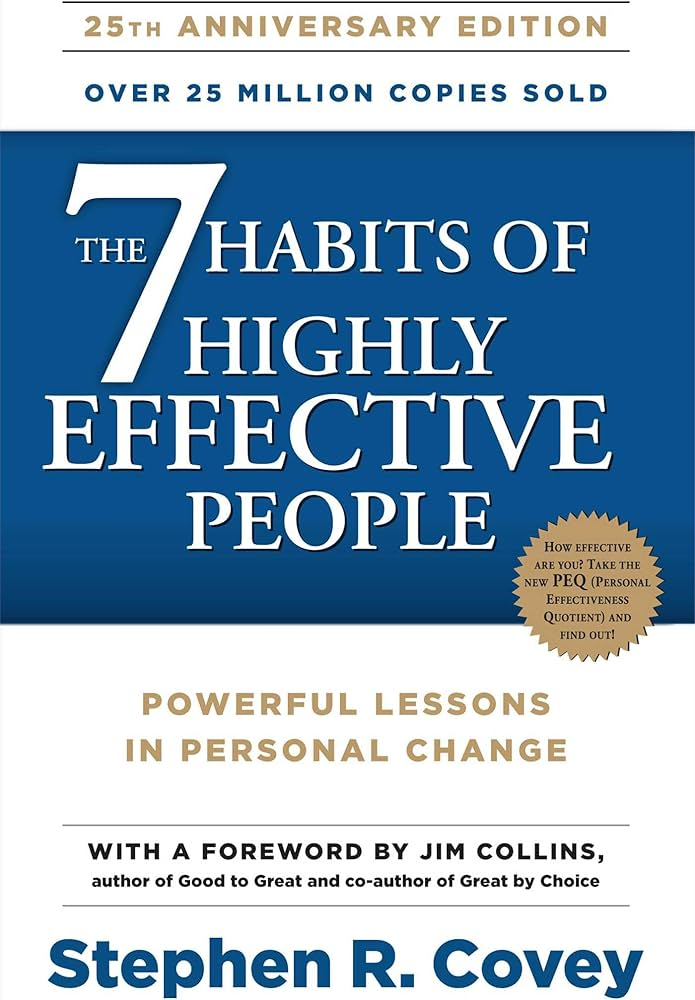
The habits Covey codified are now global vocabulary — Be Proactive, Begin With the End in Mind, Put First Things First, Think Win-Win, Seek First to Understand, Synergize, Sharpen the Saw. This book quietly created the entire modern productivity industry. It’s less about hacks and more about character. Whether you’re leading a team of two or a company of two thousand, these principles hold up.
Key takeaway: “Most people do not listen with the intent to understand; they listen with the intent to reply.”
4. The E-Myth Revisited — Michael E. Gerber (1985)
Best for: Small business owners, franchise mindset | Copies sold: 5 million+ | Goodreads: 4.06 (99K ratings)
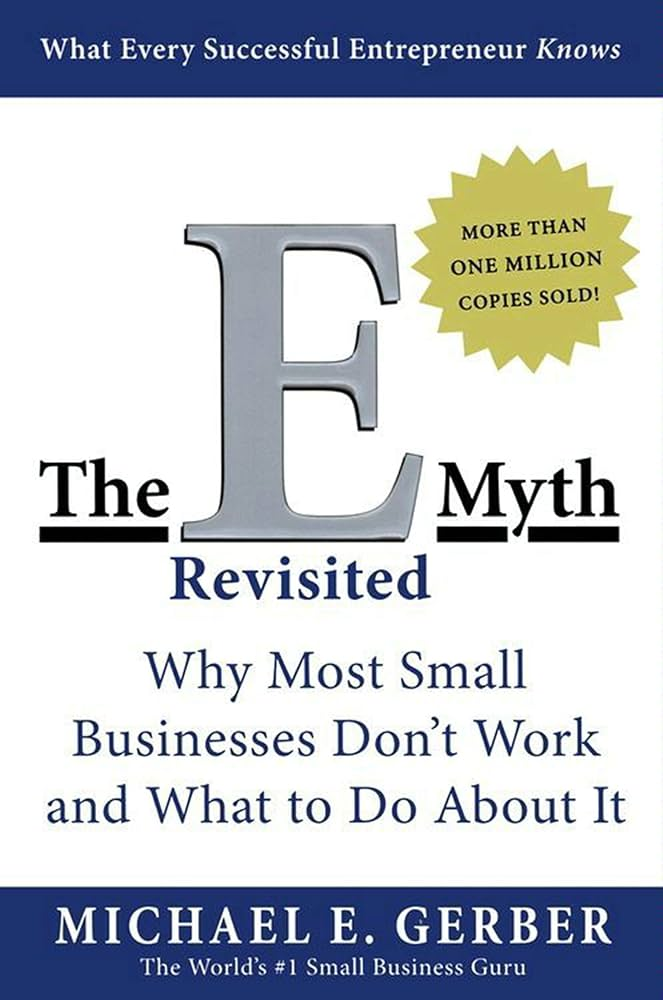
Michael Gerber’s central insight explains why 80% of small businesses fail: owners work IN the business instead of ON the business. The book teaches how to design your business like a franchise prototype — with systems that don’t depend on you being present. If you own a small business, or dream of owning one, this book is the closest thing you’ll get to a mentor in book form.
Key takeaway: “The purpose of business is to give the owner life.”
Business classics like Rich Dad Poor Dad, Good to Great, and Atomic Habits remain the most-recommended titles for founders and executives in 2026.
5. Rich Dad Poor Dad — Robert Kiyosaki (1997)
Best for: Financial literacy, wealth mindset | Copies sold: 32 million+ | Goodreads: 4.09 (750K ratings)
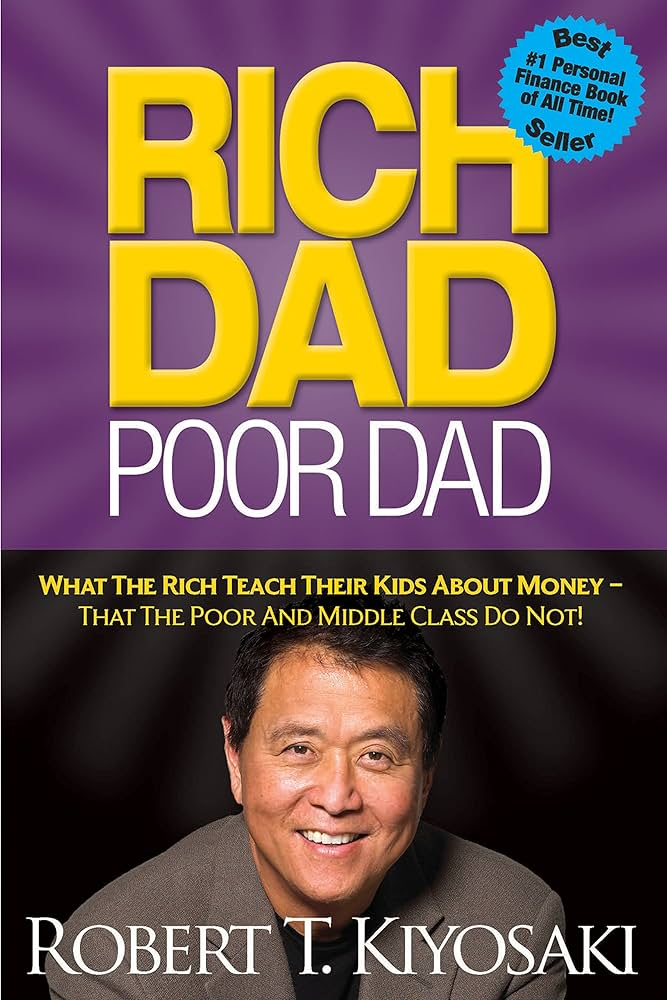
The #1 personal finance book of all time (Audible). Kiyosaki contrasts two father figures: his biological dad (educated, employed, financially stressed) and his best friend’s dad (financially literate, wealthy, business-minded). The core lesson: assets put money in your pocket; liabilities take money out. Your house isn’t an asset unless it’s producing income. This one book has shaped how tens of millions of people think about money.
Key takeaway: “The main reason people struggle financially is because they have spent years in school but learned nothing about money.”
6. Good to Great — Jim Collins (2001)
Best for: Executives, long-term strategy | Copies sold: 4 million+ | Goodreads: 4.12 (306K ratings)
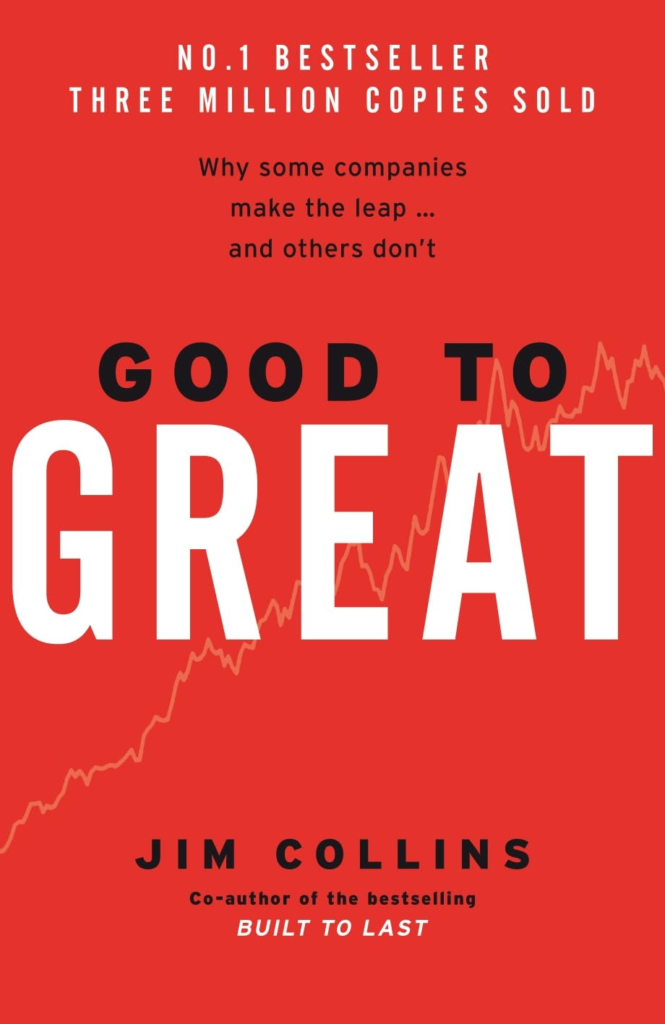
Jim Collins and his research team spent five years studying 1,435 companies to find the 11 that made the leap from good to great and sustained it. The findings: Level 5 Leadership (humble but fiercely driven leaders), the Hedgehog Concept (do one thing better than anyone in the world), getting the right people on the bus first, and the flywheel effect. S&P 500 companies still use its principles for strategic planning in 2026 (Leadership Books, January 2026).
Key takeaway: “Good is the enemy of great.”
7. The Lean Startup — Eric Ries (2011)
Best for: Startup founders, product managers | Copies sold: 1 million+ | Goodreads: 4.11 (370K ratings)
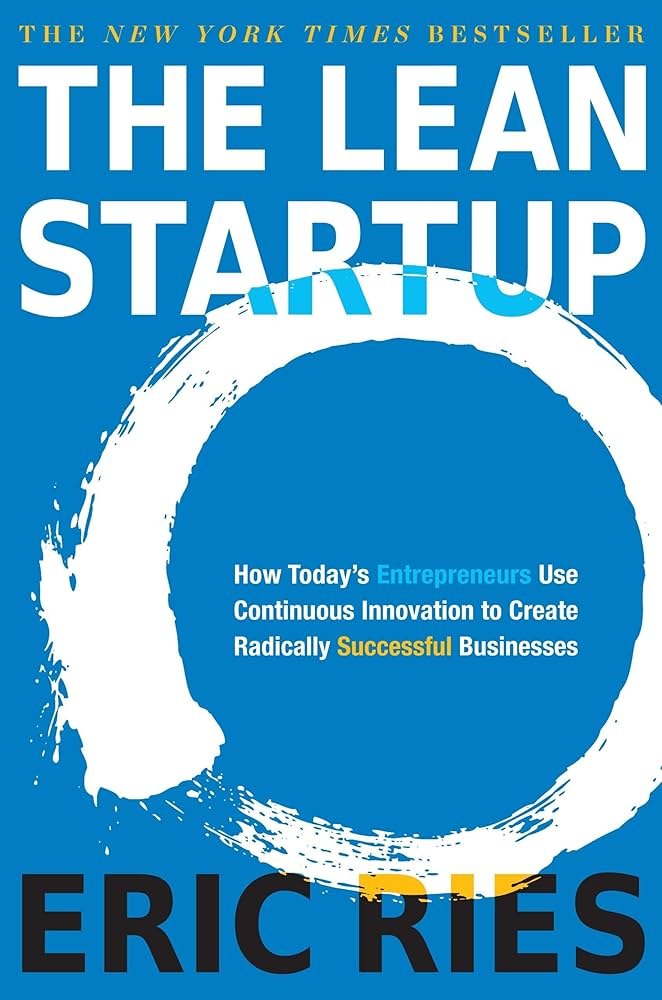
Eric Ries changed how startups launch. The Build–Measure–Learn loop, the Minimum Viable Product (MVP), and pivot vs. persevere all come from this book. Its central bet is that startups aren’t smaller versions of big companies — they’re experiments looking for a business model. In 2026, its frameworks are foundational for digital transformation across entire enterprises (Leadership Books, 2026).
Key takeaway: “The only way to win is to learn faster than anyone else.”
8. Zero to One — Peter Thiel (2014)
Best for: Ambitious founders, contrarian thinkers | Copies sold: 3 million+ | Goodreads: 4.16 (300K+ ratings)
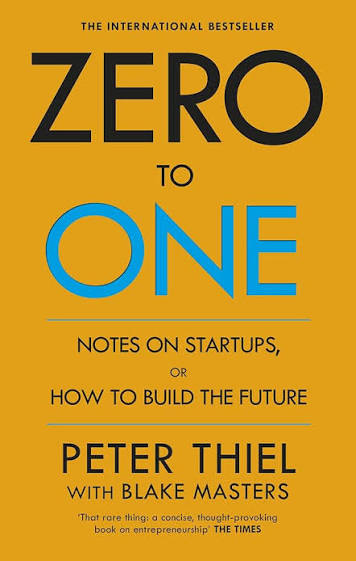
Peter Thiel’s core thesis flips conventional startup thinking: competition is for losers. Real value is created by going from zero to one — building something entirely new — not by copying what works (going from one to n). His famous interview question: “What important truth do very few people agree with you on?” This book is why so many 2020s founders chase monopoly-style businesses instead of “me-too” apps.
Key takeaway: “Don’t be trapped in competition. Create a blue ocean and make the competition irrelevant.”
9. Never Split the Difference — Chris Voss (2016)
Best for: Negotiation, sales, leadership | Goodreads: 4.33 (222K ratings) — highest of any modern business book
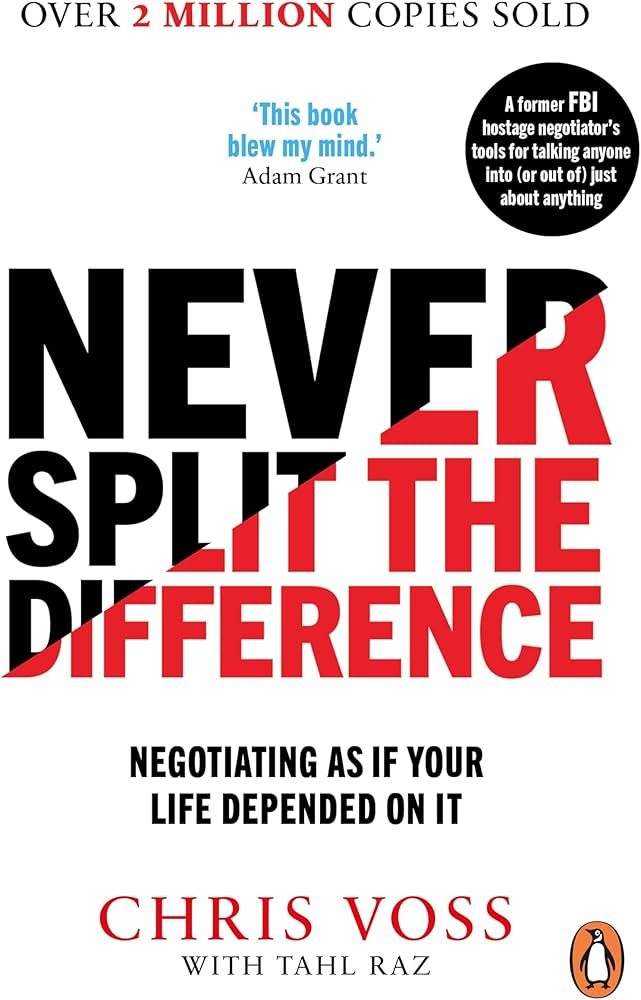
Chris Voss was the FBI’s lead international kidnapping negotiator. He teaches the techniques he used to save lives — tactical empathy, mirroring, labeling emotions, calibrated questions (“How am I supposed to do that?”). Every founder negotiating a deal, salary, or contract benefits from this book. Its 4.33 Goodreads rating is the highest of any modern business book on this list.
Key takeaway: “He who has learned to disagree without being disagreeable has discovered the most valuable secret of negotiation.”
10. Atomic Habits — James Clear (2018)
Best for: Anyone building long-term skills or teams | Copies sold: 30 million+ (2025) | Translations: 60+ languages
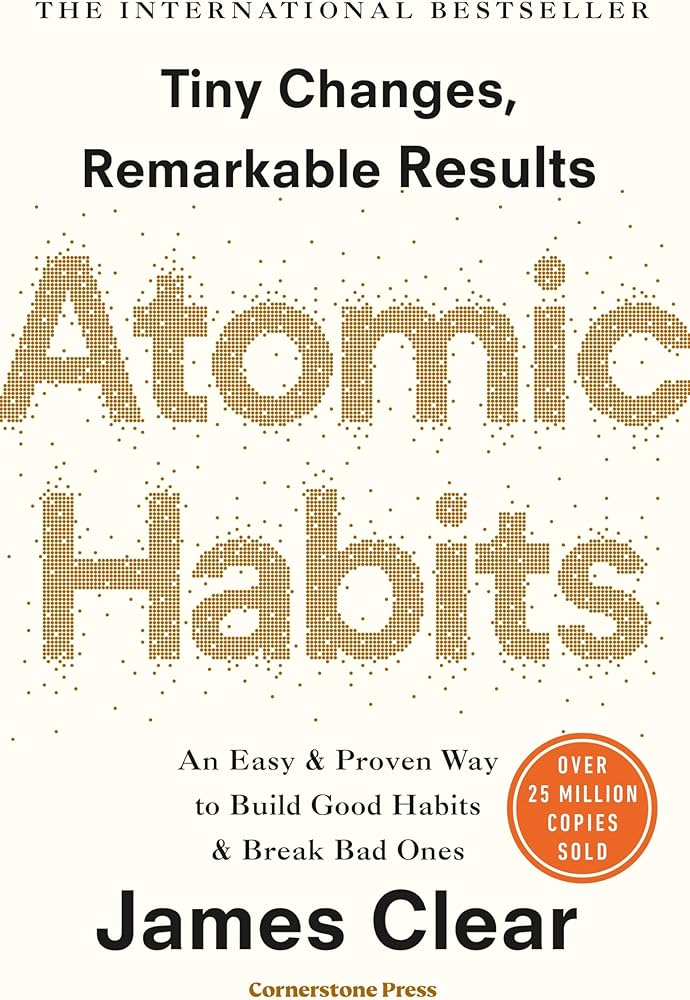
James Clear’s mega-hit has become the modern blueprint for behavior change (BigSpeak, 2025). The core system: focus on 1% better every day, and use the Four Laws — Make it Obvious, Make it Attractive, Make it Easy, Make it Satisfying. His famous line — “You do not rise to the level of your goals; you fall to the level of your systems” — is now quoted in boardrooms worldwide. Executives cite incremental improvement as a key growth lever in 2026 (Leadership Books).
Key takeaway: “Habits are the compound interest of self-improvement.”
In 2026, McKinsey research shows personalized business book recommendations boost completion rates by 40% — helping leaders finish what they start.
Sales & Ratings Statistical Report
| Book | Author | Year | Copies Sold | Goodreads Rating |
|---|---|---|---|---|
| How to Win Friends and Influence People | Dale Carnegie | 1936 | 30 million+ | 4.21 (1.17M ratings) |
| Think and Grow Rich | Napoleon Hill | 1937 | 100 million+ | 4.20 |
| The 7 Habits of Highly Effective People | Stephen R. Covey | 1989 | 40 million+ | 4.16 (836K ratings) |
| The E-Myth Revisited | Michael E. Gerber | 1985 | 5 million+ | 4.06 (99K ratings) |
| Rich Dad Poor Dad | Robert Kiyosaki | 1997 | 32 million+ | 4.09 (750K ratings) |
| Good to Great | Jim Collins | 2001 | 4 million+ | 4.12 (306K ratings) |
| The Lean Startup | Eric Ries | 2011 | 1 million+ | 4.11 (370K ratings) |
| Zero to One | Peter Thiel | 2014 | 3 million+ | 4.16 |
| Never Split the Difference | Chris Voss | 2016 | 3 million+ | 4.33 (222K ratings) |
| Atomic Habits | James Clear | 2018 | 30 million+ | 4.36 |
Data sourced from BigSpeak, Audible, Goodreads Popular Business Books shelf, HBR Store, Amazon Best Sellers, and Leadership Books (2025–2026).
Comparison Table: Books, Authors & Ideas
| Book | Core Idea | Best Reader | Time to Read |
|---|---|---|---|
| How to Win Friends | Genuine interest wins people over | Everyone | ~5 hours |
| Think and Grow Rich | Success starts in the mind | Wealth-mindset seekers | ~8 hours |
| 7 Habits | Character + habits = effectiveness | Managers, leaders | ~10 hours |
| E-Myth Revisited | Work ON the business, not IN it | Small business owners | ~7 hours |
| Rich Dad Poor Dad | Assets vs. liabilities | Beginners to money | ~5 hours |
| Good to Great | Level 5 leaders + hedgehog concept | Executives | ~9 hours |
| The Lean Startup | Build–Measure–Learn + MVP | Founders, PMs | ~7 hours |
| Zero to One | Create something new, avoid competition | Ambitious founders | ~5 hours |
| Never Split the Difference | Tactical empathy in negotiation | Salespeople, leaders | ~7 hours |
| Atomic Habits | 1% better, Four Laws of Behavior | Anyone | ~6 hours |
Pros and Cons of Reading Business Books
| Pros | Cons |
|---|---|
| Access to decades of hard-won wisdom for the price of a coffee | Reading without action changes nothing |
| Frameworks (MVP, 7 Habits, Level 5) that shape entire industries | Some books repeat one big idea over 300 pages |
| Sales and Goodreads ratings help filter noise from signal | Older classics have outdated language or examples |
| Personalized book recommendations boost completion 40% (McKinsey) | The best insights need practice, not just reading |
| One good book can change your career trajectory | Reading too many at once dilutes focus |
Step-by-Step: How to Actually Learn from a Business Book
- Pick one book at a time. Focus on depth over quantity — implement, then move on (Leadership Books, 2026).
- Skim first, then read. Read the table of contents, intro, and chapter summaries before deep-reading. It doubles retention.
- Highlight actively. Mark only 5 ideas per chapter. If everything is important, nothing is.
- Write one page of notes. After each chapter, summarize the core idea in your own words.
- Choose one experiment. Every book has 3–5 ideas worth testing. Pick just one and apply it for two weeks.
- Teach someone. Sharing what you read forces you to sharpen your understanding.
- Revisit yearly. Great business books reveal new lessons every time your context changes. Re-read 7 Habits at 30 and it hits differently than at 20.
2026 Trends in Business Reading
Business reading is being transformed. AI-driven personalized recommendations are boosting book completion rates by 40% per McKinsey research (Leadership Books, January 2026). Publishers are launching interactive editions with QR codes to video interviews, workbooks, and mobile apps — turning single-book purchases into full learning platforms. The cultural mix is broadening too: 2026 curated lists include more international authors and voices from underrepresented backgrounds (Leadership Books, 2026). Meanwhile, Bookshop.org’s 2026 curated bookseller list confirms established favorites like Good to Great, Shoe Dog (Phil Knight), and Radical Candor (Kim Scott) alongside newer titles like Unreasonable Hospitality (Will Guidara). The direction is clear: readers want timeless wisdom + practical, applicable frameworks — not fluff.
Frequently Asked Questions
Q1. What is the best business book of all time? For pure influence and staying power, How to Win Friends and Influence People (Dale Carnegie, 1936) tops most consensus lists. For modern relevance and copies sold, Atomic Habits (James Clear) has surpassed 30 million copies worldwide as of 2025.
Q2. Which business book should I read first? If you’re new to business books, start with How to Win Friends and Influence People for people skills, or Atomic Habits for practical daily habits. Both are easy to read and immediately actionable.
Q3. What’s the best-selling business book of all time? Think and Grow Rich by Napoleon Hill has some of the highest cumulative sales claims (100+ million copies). Among modern books, Rich Dad Poor Dad (32 million+) and Atomic Habits (30 million+) lead 2026 rankings (Audible, BigSpeak).
Q4. Which business book is best for entrepreneurs? The Lean Startup for launching a company, The E-Myth Revisited for small business systems, and Zero to One for building something original. Founders often read all three within their first year.
Q5. What’s the best business book for personal finance? Rich Dad Poor Dad by Robert Kiyosaki is called the “#1 personal finance book of all time” by Audible. For modern investing, pair it with The Psychology of Money by Morgan Housel.
Q6. Are old business books still relevant in 2026? Yes. How to Win Friends (1936) still holds a 4.21 Goodreads rating across 1.17 million ratings — proof its people-skills principles are timeless. 7 Habits is still core reading at MBA programs worldwide.
Q7. How many business books should I read per year? Quality beats quantity. Reading and applying 6–12 great books per year is far better than skimming 30. McKinsey research suggests personalized recommendations boost completion rates by 40% — pick books that match your current goals.
References
- BigSpeak Motivational Speakers Bureau — 30 Million Copies Later: Atomic Habits Has Become a Blueprint (2025).
- Audible — Rich Dad Poor Dad — #1 Personal Finance Book of All Time.
- Goodreads — Popular Business Books shelf and Best Business Books list (1,054 titles).
- Amazon Best Sellers — Business & Money category rankings (2025–2026).
- Leadership Books — 9 Essential Top Business Books Ever to Read in 2026 (January 2026).
- The Book Insight — Top 10 Business Books of All Time: Must-Read Classics (November 2025).
- USA Biz Growth — The 10 Greatest Business Books of All Time (August 2025).
- Harvard Business Review Store — The Top 40 Essential Business Books to Read.
- TopBookReviews — Top 100 Business Books of All Time — Ranked by Consensus.
- Bookshop.org — 12 Best Business Books for 2026: Bookseller Favorites.
- This Is My Everybody — The 25+ Best Books on Minimalism for Simple Living (January 2026).
- Wall Street Journal / USA Today / Publisher’s Weekly — Atomic Habits bestseller lists.
- Fast Company — 7 Best Business Books of 2018 (original Atomic Habits recognition).
- Business Insider — Best Self-Help Books of 2018 (Atomic Habits).
- HarperCollins / Random House — Publisher sales data for Rich Dad Poor Dad and 7 Habits.
Conclusion
The top 10 best business books of all time share one thing: they don’t just teach you tactics — they change how you see problems. Whether it’s Carnegie’s timeless lesson that people want to feel important, Clear’s insight that systems beat goals, or Kiyosaki’s brutal truth about assets vs. liabilities, each of these books is a shortcut to decades of wisdom. Pick one. Read it slowly. Apply just one idea for two weeks. That’s the entire game.


GIPHY App Key not set. Please check settings