 Balakumar L
Looking to escape the scorching heat of Indian plains? India’s best hill stations offer cool breezes, misty mountains, and picture-perfect views that’ll make you forget about summer entirely. From the colonial charm of Shimla to the tea gardens of Munnar, these 10 mountain destinations deliver everything—adventure, romance, family fun, and peace. Let’s explore what makes each one worth the trip.
Table of Contents
- Quick Facts About India’s Hill Stations
- Why Visit Hill Stations in India?
- The Top 10 Best Hill Stations in India
- Shimla, Himachal Pradesh
- Manali, Himachal Pradesh
- Ooty, Tamil Nadu
- Nainital, Uttarakhand
- Darjeeling, West Bengal
- Munnar, Kerala
- Coorg, Karnataka
- McLeod Ganj, Himachal Pradesh
- Mussoorie, Uttarakhand
- Shillong, Meghalaya
- Hill Station Statistics & Data
- Best Time to Visit Each Destination
- Pros and Cons of Popular Hill Stations
- Hill Station Comparison Chart
- 2026 Trends in Indian Hill Station Tourism
- Frequently Asked Questions
- References
Key Highlights
- Shimla remains the #1 hill station in India, attracting millions of visitors annually with its toy train and heritage sites
- Temperature relief: Hill stations are 8–15°C cooler than surrounding plains during summer months
- Tourism growth: India’s domestic tourism to hill stations increased by 35% post-2023, with young travelers (18–40 years) preferring quieter destinations
- Best season: March to June and September to November offer ideal weather across most hill stations
- Budget range: Daily costs range from ₹1,500 (Munnar) to ₹5,000+ (premium Shimla resorts)
- Accessibility: Improved road connectivity and new expressways have reduced travel times significantly in 2026
- Sustainability focus: State tourism boards now enforce eco-friendly practices and plastic-free zones across all major hill stations
- Adventure options: From trekking in Manali to paragliding in Bir Billing, hill stations offer diverse activities beyond sightseeing
Why Visit Hill Stations in India?
Hill stations have been India’s favorite summer escape for over a century. British colonials originally chose these high-altitude towns to escape the heat—and the formula still works perfectly in 2026.
The main attraction? Cool weather. While Delhi sizzles at 45°C, Shimla sits comfortably at 25°C. That temperature difference alone is reason enough to pack your bags.
But there’s more. These destinations offer everything from adventure sports to spiritual retreats. Families get to explore botanical gardens and toy trains. Couples find romance in misty mountain views. Solo travelers discover adventure in trekking trails. Wellness seekers dive into Ayurveda and yoga retreats.
Recent tourism data from the Indian Ministry of Tourism shows that domestic visitors to hill stations increased significantly post-2023, with younger travelers (18–40 years) shifting preferences toward quieter, lesser-known destinations rather than crowded commercial hubs.
The Top 10 Best Hill Stations in India
1. Shimla, Himachal Pradesh
Altitude: 2,205 meters | Distance from Delhi: 343 km | Best for: Families, first-time visitors, heritage lovers
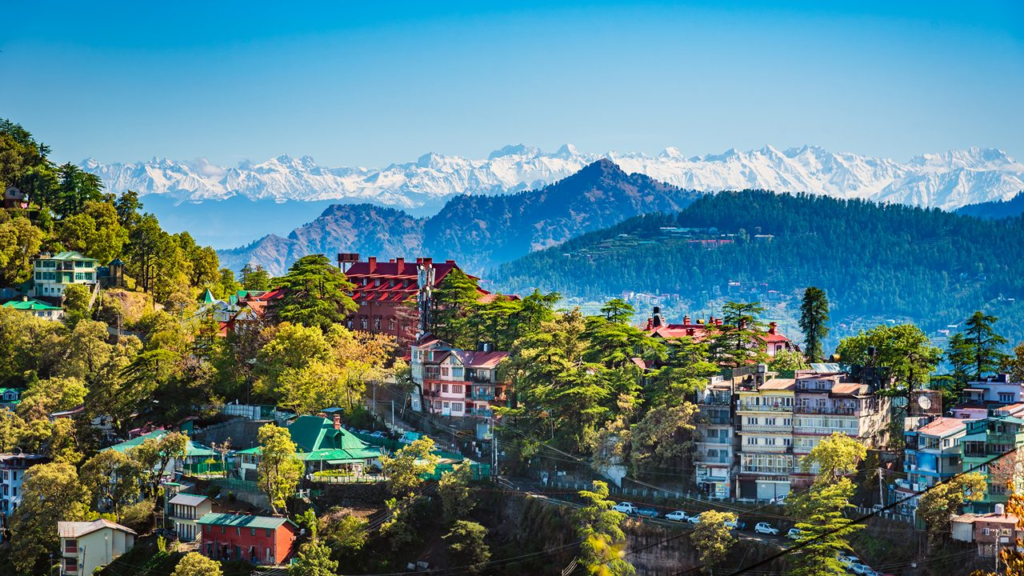
Shimla is the king of Indian hill stations. Full stop.
Ask any Indian to name the best hill station, and you’ll get Shimla nine times out of ten. It’s famous for good reason—this place has everything. The iconic toy train (UNESCO World Heritage Site), colonial architecture, pine forests, and reliable snow in winter make it a year-round destination.
The Kalka-Shimla Railway is an engineering marvel. The 96 km narrow-gauge track climbs 1,500 meters through 103 tunnels. A single journey on this toy train feels like stepping back into the British Raj era. Don’t miss it.
Shimla peak offers 360-degree mountain views. Mall Road has been bustling with tourists since the 1800s. Christ Church, Viceregal Lodge, and the Ridge area are perfect for history enthusiasts. For adventure seekers, the trek to Jakhoo Temple or Kaali Tibba offers stunning views.
Best time to visit: March–June (spring) and December–January (winter with snow)
Budget: ₹3,500–5,000 per day
Why it’s #1: Unbeatable combination of heritage, climate, adventure, and accessibility. Shimla sees over 1 million visitors annually.
2. Manali, Himachal Pradesh
Altitude: 2,050 meters | Distance from Delhi: 543 km | Best for: Adventure seekers, young travelers, backpackers
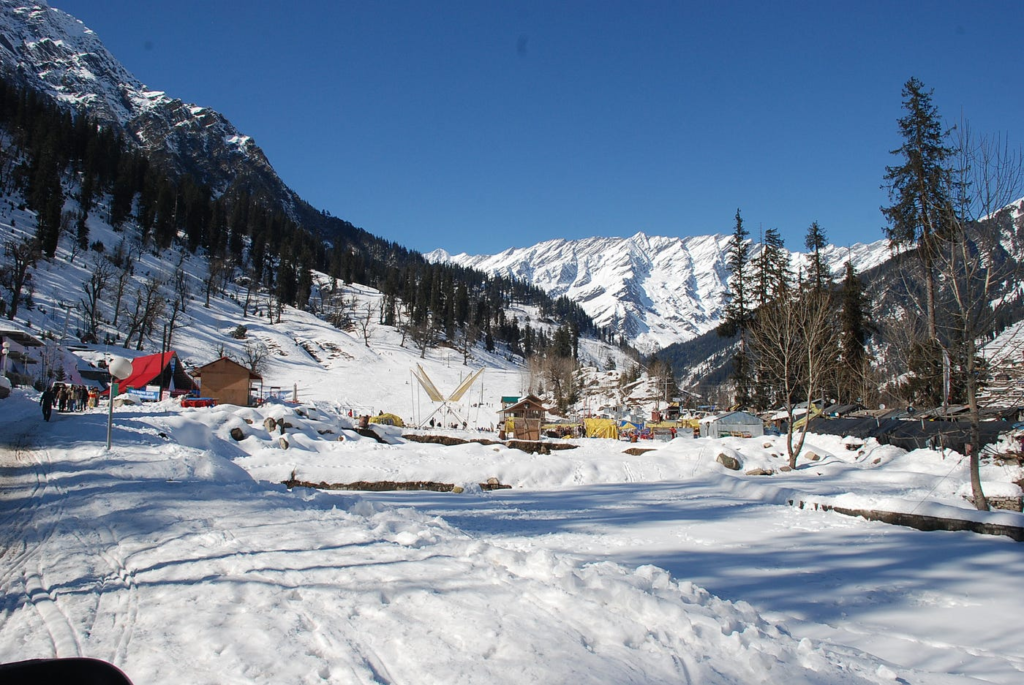
Manali is where adventure happens.
If Shimla is your grandmother’s favorite, Manali is your best friend’s pick. This town buzzes with energy—paragliding, river rafting, trekking, rock climbing, and zip-lining. The Beas River creates perfect rapids for adventure sports. The surrounding mountains offer endless trekking routes.
The town sits in the Kullu Valley, famous for handloom weaving, apple orchards, and spiritual temples. Hidimba Temple’s wooden architecture is stunning. Vashisht Village offers hot springs and traditional mud baths. The mountain views from Solang Valley are Instagram gold.
Here’s what makes Manali special: it’s accessible yet adventurous. You can have a peaceful morning meditating in a yoga ashram, then spend your afternoon paragliding over mountains. The food scene is eclectic—from local Himachali thali to international cuisine.
Best time to visit: March–June (spring) and September–October (autumn)
Budget: ₹2,000–4,000 per day
Why it ranks high: Best for adventure activities, vibrant backpacker culture, and diverse experiences. Summer peak sees 400,000+ visitors.
3. Ooty, Tamil Nadu
Altitude: 2,268 meters | Distance from Bangalore: 270 km | Best for: Families, romantic couples, tea estate tours
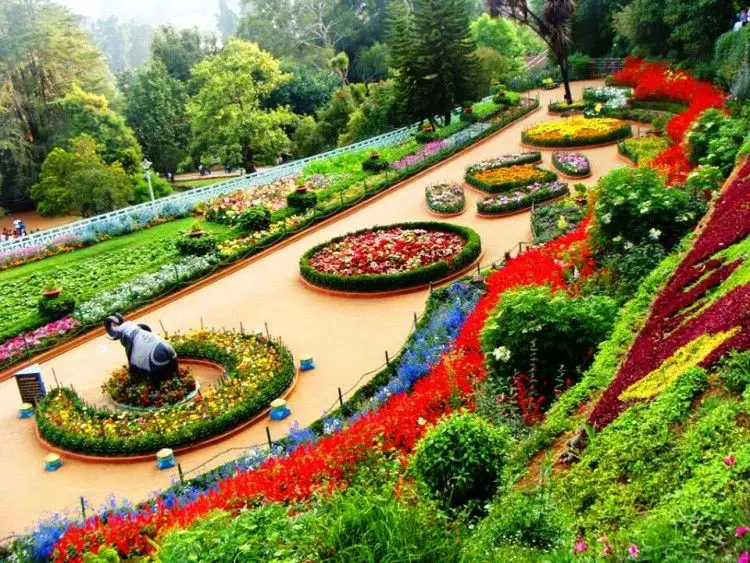
Ooty earns its nickname: the Queen of Hill Stations.
This South Indian gem sits in the Nilgiri Mountains with sprawling tea estates, flower gardens, and cool weather year-round. The landscape is dramatically different from North Indian hill stations—the vegetation is lush and subtropical, with rolling green hills covered in geometric tea plantation patterns.
The Nilgiri Mountain Railway (toy train) runs from Mettupalayam to Ooty and is a UNESCO World Heritage Site. It’s not just transport; it’s a journey through changing climates and landscapes. The Botanical Garden has over 1,400 plant species. Ooty Lake offers boating. The Doddabetta Peak is the South’s highest viewpoint.
What sets Ooty apart? Affordability and tea culture. You can tour working tea estates, see how leaves are processed, and taste fresh tea. Multiple tea plantations offer homestays where you stay with tea-growing families.
Best time to visit: March–June and September–October (warm but pleasant)
Budget: ₹1,800–3,500 per day
Why it’s essential: Only major hill station in South India, unique tea plantation experience, excellent for families with kids and honeymoon couples.
4. Nainital, Uttarakhand
Altitude: 1,938 meters | Distance from Delhi: 300 km | Best for: Families, nature lovers, budget travelers
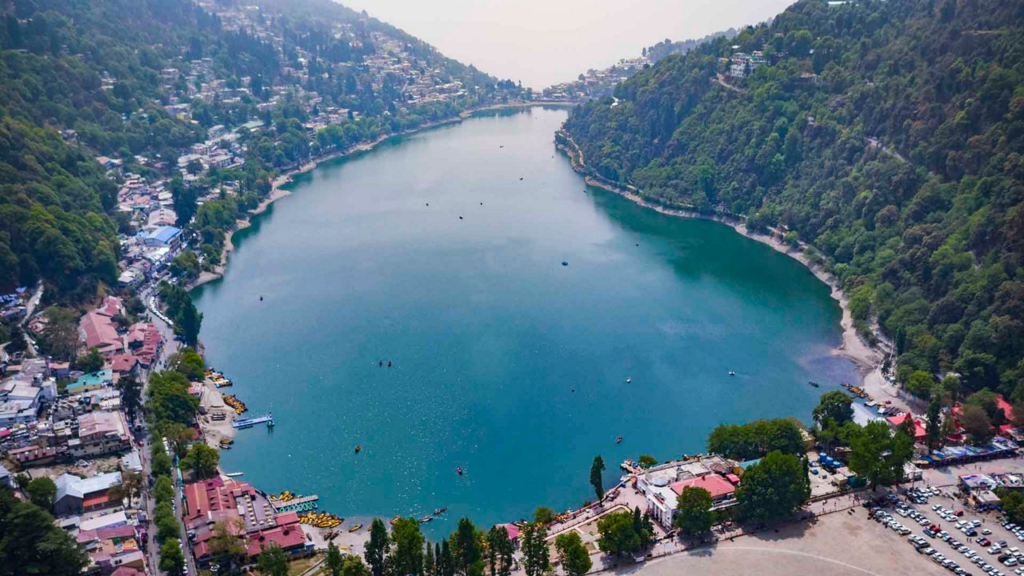
Nainital is where lakes and mountains meet perfectly.
Built around Naini Lake (also called “Naini Devi”), this destination offers something unique—water activities in the mountains. The lake is surrounded by forested hills, and you can take pedal boats, rowing boats, or speedboats. The walks around the lake perimeter are scenic and perfect for all fitness levels.
Why visitors love Nainital: it’s close to Delhi (300 km, just 6 hours by car), making it perfect for weekend getaways. The weather stays pleasant most of the year. Multiple viewpoints (Tiffin Top, Land’s End, Cheena Peak) offer valley views.
The town has a charming, old-world feel. Local restaurants serve Kumaoni cuisine (local Uttarakhand food). The Naini Devi Temple sits on the lake’s edge—the views during sunrise prayers are magical.
Best time to visit: March–June (spring) and September–October (autumn)
Budget: ₹1,500–2,500 per day
Why it stands out: Closest major hill station to Delhi, lake-based unique character, perfect for families and first-time hill visitors, most budget-friendly.
5. Darjeeling, West Bengal
Altitude: 2,045 meters | Distance from Kolkata: 634 km | Best for: Tea lovers, culture seekers, photographers
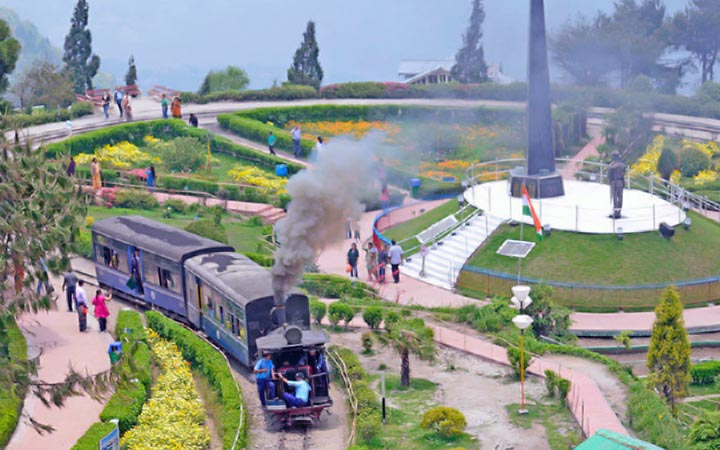
Darjeeling has a personality all its own.
This hill station sits in the Eastern Himalayas and is the world’s tea capital. Walking through Darjeeling feels different—it’s smaller, more intimate, less commercialized than Shimla or Manali. The tea-scented air, Tibetan cultural influence, Buddhist monasteries, and local markets create a unique atmosphere.
The Toy Train running through Darjeeling’s toy train is actually more famous than the destination itself. The narrow-gauge railway is an engineering marvel, and the journey offers stunning views of tea gardens, forests, and mountains.
Sunrise from Tiger Hill is legendary among photographers—you see Kanchenjunga Peak (the world’s third-highest mountain) lit up in golden light. Multiple tea estates offer factory tours where you see the entire tea-making process.
Best time to visit: March–May (spring) and September–November (autumn)
Budget: ₹2,000–3,500 per day
Why it’s unique: Authentic tea culture, Tibetan heritage, most photogenic location, least crowded of the top 5 destinations.
6. Munnar, Kerala
Altitude: 1,600 meters | Distance from Kochi: 125 km | Best for: Budget travelers, wellness seekers, adventure fans
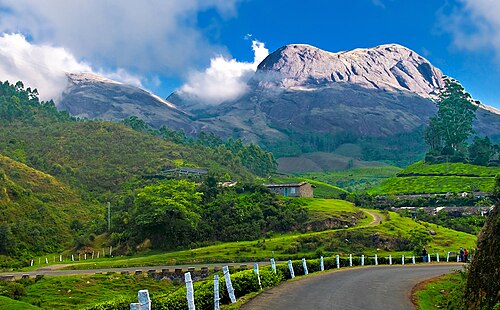
Munnar is where tea plantations become art.
Rolling hills covered entirely in geometric tea plantation patterns create a landscape that doesn’t feel real at first. Munnar sits in the Western Ghats, and the Western Ghats themselves are a UNESCO World Heritage Site. The biodiversity here is insane—you might spot Nilgiri tahr (endemic wild goats), Malabar giant squirrels, and rare birds.
The town has a laid-back vibe. You can rent a scooter and spend entire days riding through plantation roads, stopping at random villages for chai, and chatting with plantation workers. The pace is relaxed, the air is fresh, and your wallet doesn’t get hammered.
Wellness is huge here. Multiple Ayurveda resorts combine tea plantation views with traditional Indian medicine treatments. This isn’t spa luxury—it’s medical wellness rooted in ancient philosophy.
Best time to visit: September–March (southwest and northeast monsoons bring misty beauty)
Budget: ₹1,500–2,500 per day (most budget-friendly hill station)
Why it’s special: Lowest prices of any major hill station, unique plantation culture, strong wellness scene, adventure activities (trekking, paragliding near Bir Billing route).
7. Coorg, Karnataka
Altitude: 915–1,525 meters | Distance from Bangalore: 260 km | Best for: Coffee enthusiasts, adventure travelers, photographers
Coorg grows approximately 50% of India’s coffee.
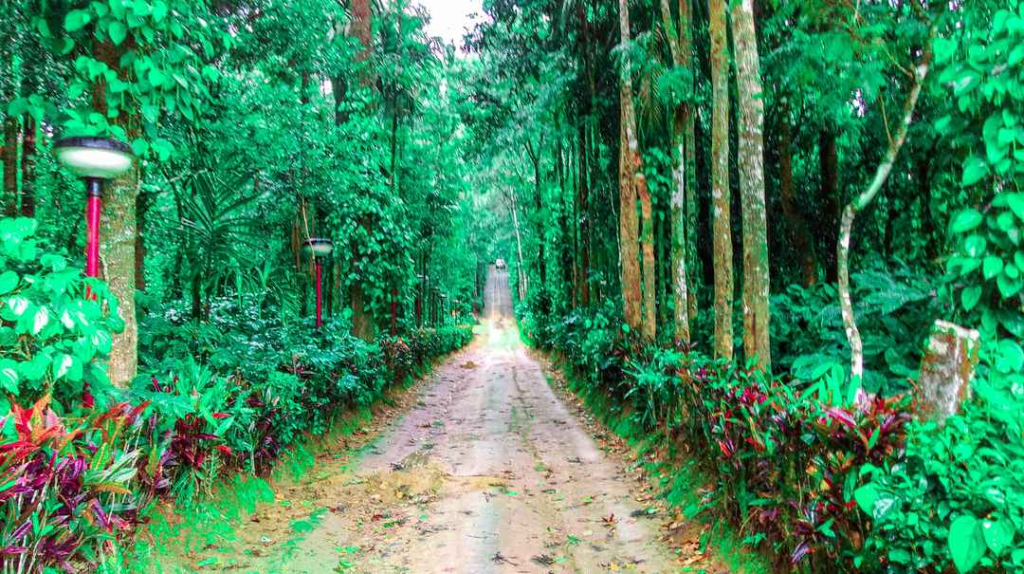
This hill station in Karnataka has a completely different personality. It’s not built primarily for tourism—it’s a working region where coffee is actually grown. Coffee estates dominate the landscape, creating a different kind of beauty than tea plantations.
What makes Coorg special? Authentic local life. You see actual coffee processing happening. Farmers and their families live visible, working lives—not just operating as hotel staff. Multiple estates offer tours where you see how coffee goes from cherry to cup.
Abbey Falls drops 70 meters into a pool below. The Namdroling Monastery brings Tibetan Buddhism culture to South India. Dubare Elephant Camp offers elephant interactions (though opinions on this vary ethically). Mandalpatti Peak offers trekking and jeep routes.
The food is incredible—Coorg cuisine uses coffee, spices, and local meats in unique combinations. The climate is perfect year-round.
Best time to visit: September–May (post-monsoon brings freshness)
Budget: ₹2,000–3,000 per day
Why it matters: Only coffee-growing hill station in India, authentic working culture, photography paradise, often overlooked despite being outstanding.
8. McLeod Ganj, Himachal Pradesh
Altitude: 1,460 meters | Distance from Pathankot: 96 km | Best for: Spiritual seekers, backpackers, Tibet culture enthusiasts
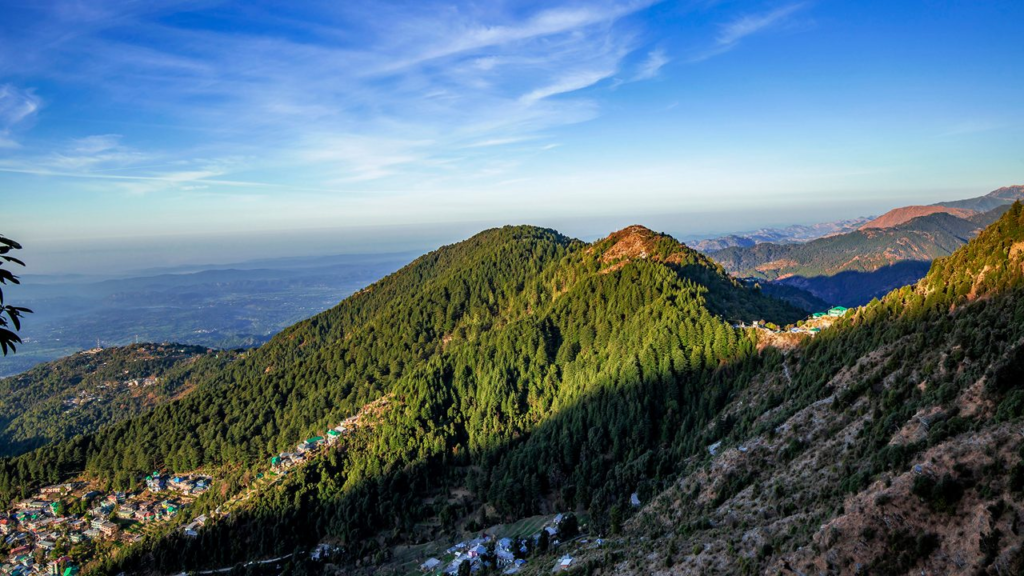
McLeod Ganj is where Tibet came to India.
Sitting above the town of Dharamshala, McLeod Ganj has been home to the Dalai Lama and the Tibetan government-in-exile since 1960. This single fact shapes everything about the place—the monasteries, the bookshops, the spiritual vibe, the food.
Namgyal Monastery is the spiritual heart. Walking through it during prayer times, hearing chanting monks, seeing butter lamps flicker—it’s deeply moving. The town has more bookshops per capita than anywhere else in India. You’ll find Tibetan philosophy, Buddhism, spirituality books in multiple languages.
The local population is mixed—Tibetan refugees, Indian pilgrims, international backpackers. This creates a unique cosmopolitan feel. Street food includes momos (dumplings), thukpa (soup), and authentic Tibetan fare.
Trekking routes to nearby villages offer stunning views and authentic village stays. The weather stays pleasant year-round.
Best time to visit: March–June and September–November
Budget: ₹1,500–2,500 per day
Why it’s important: Unique cultural experience, spiritual atmosphere, affordable, excellent for introspection and learning.
9. Mussoorie, Uttarakhand
Altitude: 2,005 meters | Distance from Delhi: 290 km | Best for: Families, heritage tourists, adventure lovers
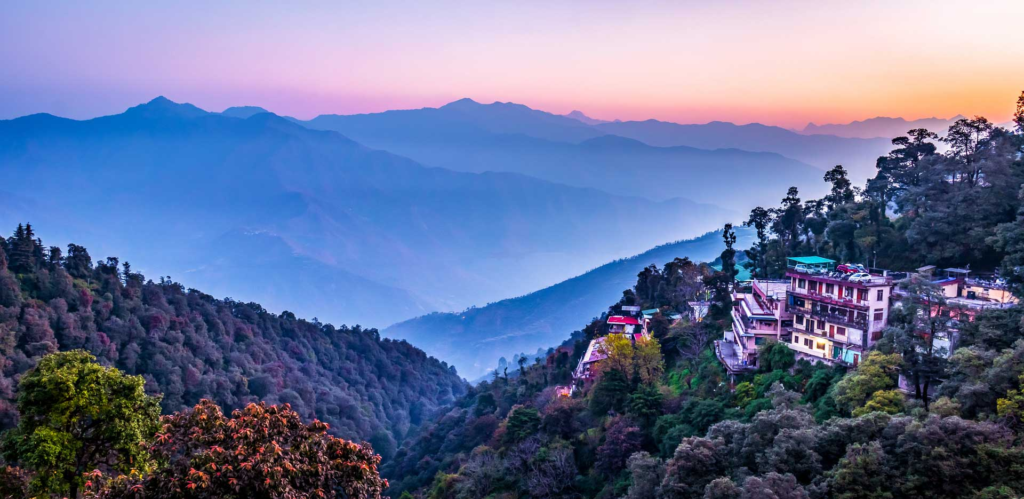
Mussoorie is classic hill station charm.
Perched on the ridge between the Yamuna and Tons rivers, Mussoorie has been a tourist destination for nearly 200 years. The Mall Road is perpetually bustling with visitors, street food stalls, and shops. Gun Hill offers views of surrounding valleys.
Kempty Falls is a popular waterfall destination (though it gets crowded in peak season). The Ropeway offers valley views. Camel’s Back Road is perfect for evening walks. Jwalaji Temple sits on a ridge 1 km away—the walk is scenic and meditative.
Mussoorie works perfectly for families because it’s close to Delhi (290 km), safe, well-developed, and offers both adventure (trekking to nearby villages) and relaxation (mall walks, restaurants).
Best time to visit: March–June (spring) and September–November (autumn)
Budget: ₹2,500–4,000 per day
Why it’s popular: Closest hill station to Delhi, well-developed infrastructure, family-friendly, heritage charm, established tourist facilities.
10. Shillong, Meghalaya
Altitude: 1,491 meters | Distance from Guwahati: 98 km | Best for: Nature lovers, adventure seekers, culture enthusiasts
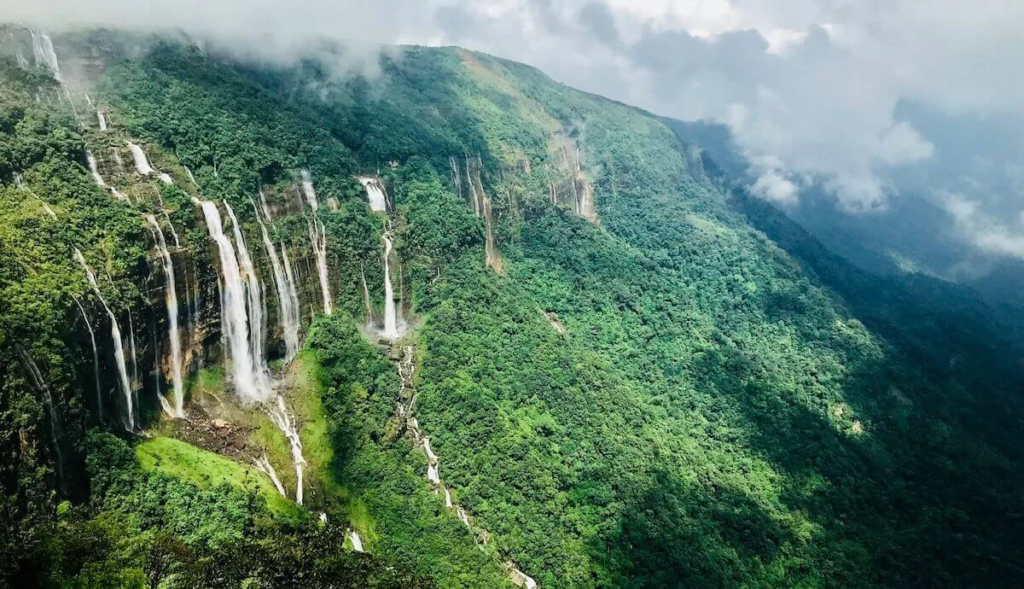
Shillong is the Scotland of the East—and the comparison is apt.
Rolling green hills, misty weather, temperate climate, and English colonial architecture make Shillong feel distinctly different from other Indian hill stations. The city was actually planned by British architects in the 1800s.
The landscape is dramatically verdant. The Shillong Peak offers 360-degree views. Umiam Lake (Barapani) is a beautiful reservoir surrounded by rolling hills. Laitlum Canyons are dramatic rock formations with cliff edges dropping dramatically—the views are breathtaking. Elephant Falls is a three-tiered waterfall.
Shillong has a vibrant music scene—local rock and folk musicians create an eclectic nightlife. The food scene includes local Khasi cuisine (rice-based, with fresh fish and meat). Local markets are authentic and less touristy than Shimla or Manali.
The people are warm and welcoming. English is widely spoken. The pace is relaxed, and tourism infrastructure is developing without overwhelming local culture.
Best time to visit: March–June and September–November
Budget: ₹1,500–2,500 per day
Why it deserves attention: Unique Eastern Himalayan character, least crowded compared to North/South hill stations, authentic local culture, dramatically different landscape.
Important Hill Station Statistics & Data
| Metric | Data | Source |
|---|---|---|
| India’s Total Tourist Arrivals (2024) | 20.57 million (9.95 million international + 10.62 million NRI) | Ministry of Tourism, India 2024–25 |
| Tourism’s GDP Contribution (2023–24) | 5.22% of national GDP | Ministry of Tourism |
| Employment Generated | 84.63 million direct and indirect jobs | Ministry of Tourism 2023–24 |
| Domestic Hill Station Tourism Growth (2023–26) | 35% increase post-pandemic | Tourism Boards (Northeast & Himalayan States) |
| Temperature Difference in Summer | 8–15°C cooler than surrounding plains | India Meteorological Department |
| Shimla Annual Visitors | 1+ million | Himachal Pradesh Tourism Board |
| Peak Season Duration | May–July (summer), December–January (winter) | State Tourism Departments |
| Average Daily Budget (Budget Traveler) | ₹1,500–2,500 | Ground research 2026 |
| Average Daily Budget (Mid-range Traveler) | ₹3,500–5,000 | Ground research 2026 |
| Young Traveler Preference Shift (18–40 years) | Moving toward quiet, lesser-known destinations | Travel trend analysis 2025–26 |
Best Time to Visit Each Hill Station
| Hill Station | Best Season | Climate | Why Visit Then |
|---|---|---|---|
| Shimla | March–June, December–January | 10–25°C | Spring flowers, winter snow |
| Manali | March–June, September–October | 5–20°C | Weather optimal, adventure season |
| Ooty | March–June, September–October | 10–25°C | Flowers bloom, fruit ripens |
| Nainital | March–June, September–October | 8–20°C | Lake perfect for boating, pleasant weather |
| Darjeeling | March–May, September–November | 5–20°C | Clear mountain views, tea harvest |
| Munnar | September–March | 10–25°C | Post-monsoon freshness, plantations lush |
| Coorg | September–May | 15–25°C | Coffee harvest, adventure season |
| McLeod Ganj | March–June, September–November | 8–22°C | Comfortable trekking weather |
| Mussoorie | March–June, September–November | 10–22°C | Spring flowers, autumn clarity |
| Shillong | March–June, September–November | 10–25°C | Green landscapes, occasional mist |
Travel to Hill Stations – Flights & Getting There
Major Flight Hubs & Connections
| Destination | Nearest Airport | Distance | Airlines | Flight Duration |
|---|---|---|---|---|
| Shimla | Chandigarh (CCU) | 115 km | Air India, SpiceJet, Go Air | 1.5 hours from Delhi |
| Manali | Bhuntar (IATA: BHP) | 50 km | Air India, SpiceJet | 2 hours from Delhi |
| Ooty | Coimbatore (CJB) | 85 km | Air India, IndiGo, Go Air | 2 hours from Bangalore |
| Nainital | New Delhi (DEL) | 300 km | Multiple airlines | Drive/rail from Delhi |
| Darjeeling | Kolkata (CCU) | 634 km | Air India, IndiGo | 1 hour from Kolkata |
| Munnar | Kochi (COK) | 125 km | Air India, IndiGo, SpiceJet | 1.5 hours from Kochi |
| Coorg | Bangalore (BLR) | 260 km | Air India, IndiGo, SpiceJet | 1 hour from Bangalore |
| McLeod Ganj | Pathankot (IXP) | 96 km | Air India, SpiceJet | 1.5 hours from Delhi |
| Mussoorie | New Delhi (DEL) | 290 km | Multiple airlines | Drive from Delhi |
| Shillong | Guwahati (GAU) | 98 km | Air India, IndiGo | 1.5 hours from Guwahati |
Flight Availability & Best Booking Times (2026)
Peak Season (March-June, September-November):
- Flight Frequency: Multiple flights daily on major routes
- Advance Booking: Recommended 2-3 weeks prior for best rates
- Average Fares: ₹3,000-8,000 (one-way domestic)
- Airlines: Air India, IndiGo, SpiceJet, Go Air / GoFirst
Off-Season (July-August, December-February):
- Flight Frequency: 1-2 flights per day (limited)
- Advance Booking: 1-2 weeks prior sufficient
- Average Fares: ₹2,000-5,000 (40-50% cheaper)
- Best Days: Weekday flights offer 20-30% discounts vs. weekends
Smart Booking Tips:
- Book Tuesday-Thursday for 20-30% savings
- Fly early morning (6-9am) for cheaper rates
- Use budget airlines (IndiGo, GoFirst) for economy fares
- Set price alerts on MakeMyTrip, Cleartrip, Skyscanner
- Book 3 weeks in advance for peak season
Popular Travel Agencies & Package Details (2026)
India’s best hill station packages come from established travel companies. Here are the top agencies with proven track records:
Top 9 Travel Companies Offering Hill Station Packages
1. MakeMyTrip (MMT)
- Headquarters: Gurgaon, Delhi | Website: www.makemytrip.com
- Experience: 20+ years, India’s largest travel platform
- Specialization: All hill stations with flexible packages
- Sample Shimla Package (5 Days): ₹28,000-35,000 per person
- Flight (Delhi-Chandigarh), 4-night 3-star hotel, toy train, sightseeing
- Budget Range: ₹15,000-50,000 per person
2. Cleartrip
- Headquarters: Bangalore | Website: www.cleartrip.com
- Best For: Solo travelers, couples, budget groups
- Specialization: Manali, Darjeeling, Munnar with activity focus
- Sample Manali Package (4 Days): ₹22,000-30,000 per person
- Flight, 3-night resort, paragliding, rafting, local tours
- Budget Range: ₹18,000-55,000 per person
3. Thomas Cook India
- Headquarters: Mumbai | Website: www.thomascookindia.com
- Experience: 75+ years in travel, premium specialist
- Specialization: Luxury packages, honeymooner’s paradise, senior-friendly
- Sample Ooty Premium Package (6 Days): ₹65,000-85,000 per person
- 5-night luxury stay, tea estate tours, all meals, expert guides
- Budget Range: ₹40,000-100,000+ per person
4. Yatra.com
- Headquarters: Pune | Website: www.yatra.com
- Specialization: Adventure tours, customized itineraries
- Focus: Manali, Munnar, Coorg with trekking, paragliding, rock climbing
- Sample Adventure Package (5 Days): ₹16,000-25,000 per person (without flights)
- 4-night homestay, activities, local food, shared jeep transport
- Budget Range: ₹12,000-40,000 per person
5. PickYourTrail
- Headquarters: Bangalore | Website: www.pickyourtrail.com
- Unique: Flexible, self-guided packages (choose your own itinerary)
- Coverage: All 10 destinations with 50+ hotel choices per location
- Sample Flexible Nainital Package (4 Days): ₹14,000-22,000 per person
- Choose hotel, activities, meals – complete flexibility
- Budget Range: ₹10,000-45,000 per person
6. Indian Holiday
- Headquarters: New Delhi | Website: www.indianholiday.com
- Best For: Budget travelers, large groups, families
- Specialization: All hill stations, group discounts available
- Sample Munnar Budget Package (3 Days): ₹8,500-12,000 per person
- 2-night budget hotel, plantation tours, basic sightseeing, shared transport
- Budget Range: ₹8,000-30,000 per person (India’s cheapest)
7. Sita World Tours
- Headquarters: New Delhi | Website: www.sitaworldtours.com
- Experience: 65+ years, trusted group tour specialist
- Specialization: Group packages, corporate trips, 10+ people minimum
- Sample Group Shimla Package (5 Days, 15+ people): ₹28,000-35,000 per person
- 4-night hotel block, dedicated coach, guided tours, meals
- Budget Range: ₹25,000-70,000 per person
8. Cox & Kings
- Headquarters: Mumbai | Website: www.coxandkings.com
- Experience: 280+ years heritage, luxury specialist
- Specialization: Premium experiences, heritage walks, cultural immersion
- Sample Darjeeling Heritage Package (6 Days): ₹75,000-95,000 per person
- 5-night heritage property, Kanchenjunga sunrise, monastery tours, gourmet meals, expert guides
- Budget Range: ₹35,000-120,000+ per person
9. Wanderlust Tours
- Headquarters: Bangalore | Website: www.wanderlusttours.in
- Specialization: Wellness retreats, meditation, Ayurveda, local immersion
- Focus: Munnar wellness, McLeod Ganj spirituality, Coorg coffee/yoga
- Sample Munnar Wellness Retreat (5 Days): ₹35,000-45,000 per person
- 4-night Ayurveda center, yoga, treatments, organic meals, meditation, expert practitioners
- Budget Range: ₹15,000-50,000 per person
Package Comparison – What’s Included?
| Feature | Budget (<₹15k) | Mid-Range (₹15-35k) | Premium (₹35-70k) | Luxury (>₹70k) |
|---|---|---|---|---|
| Hotel Grade | 2-3 star | 3-4 star | 4-5 star | 5-star/Heritage |
| Flights | Economy | Economy | Incl. upgrades | Business class |
| Meals Included | Breakfast only | Breakfast + 1 meal | All meals | Gourmet dining |
| Activities | 1-2 basic | 2-3 activities | 4-5 varied | Fully customized |
| Tour Guide | Shared | Local guide included | Expert guide | Personal expert |
| Transport | Shared vehicle | Shared with flexibility | Private vehicle | Personal driver |
| Customer Support | Email only | Email + phone | 24/7 hotline | Personal concierge |
| Cancellation | Limited | Up to 30 days free | Flexible | Very flexible |
How to Choose Your Agency
- Budget Option (₹8,000-15,000): Indian Holiday, PickYourTrail
- Family Packages (₹20,000-40,000): MakeMyTrip, Cleartrip
- Adventure Focus (₹15,000-35,000): Yatra.com, outdoor specialists
- Luxury/Honeymoon (₹50,000+): Thomas Cook, Cox & Kings
- Group Trips (₹25,000-70,000): Sita World Tours
Booking Tips & Discounts (2026)
- Direct booking: Often 5-10% cheaper than OTA platforms
- Group discounts: 10-20% off for groups of 8+
- Seasonal deals: Up to 40% off in July-August, December-January
- Coupon codes: Standard 5-15% discount available online
- Payment: Most agencies need 25-50% advance, balance 15 days before travel
Pros and Cons of Popular Hill Stations
| Destination | Pros | Cons |
|---|---|---|
| Shimla | Toy train, heritage sites, reliable infrastructure, winter snow | Very crowded in peak season, pricey, parking issues |
| Manali | Adventure hub, backpacker-friendly, diverse activities, young energy | Tourist overflow in peak season, road safety concerns, water scarcity |
| Ooty | South India’s best, tea tours, botanical garden, unique trains | Can feel commercialized, crowded in holiday season |
| Nainital | Close to Delhi, lake activities, budget-friendly, family perfect | Can get crowded on weekends, water levels drop in dry season |
| Darjeeling | Authentic tea culture, least crowded of top 5, photogenic, unique vibe | Remote location, limited nightlife, road conditions in monsoon |
| Munnar | Cheapest option, wellness focus, adventure activities, quiet | Limited nightlife, can be isolating in off-season, misty weather |
| Coorg | Authentic coffee culture, beautiful scenery, less touristy | Very spread out, limited town infrastructure, fewer restaurants |
| McLeod Ganj | Spiritual atmosphere, cultural richness, backpacker-friendly, cheap | Can be cold in winter, limited luxury options, prayer times might not suit all |
| Mussoorie | Delhi proximity, well-developed, family-friendly, heritage | Tourist crowd, commercial feel, limited authentic culture |
| Shillong | Unique Eastern character, less crowded, vibrant culture, good weather | Far from major metros, limited tourism infrastructure, monsoon downpours |
Hill Station Comparison: Quick Guide
| Factor | Best Option |
|---|---|
| Closest to Delhi | Mussoorie (290 km, 6 hours) |
| Best Adventure Hub | Manali (paragliding, rafting, trekking) |
| Best for Families | Nainital (lake activities, no extreme altitude) |
| Most Budget-Friendly | Munnar (₹1,500–2,000 daily budget) |
| Best Heritage & History | Shimla (toy train, colonial architecture) |
| Best Unique Culture | Darjeeling (tea, Tibetan monasteries) |
| Best Wellness Retreats | Munnar (Ayurveda) & McLeod Ganj (yoga, meditation) |
| Best Photography Locations | Darjeeling (Kanchenjunga sunrise), Coorg (coffee estates) |
| Least Crowded | Shillong & Coorg (lesser-known, east/south Indian locations) |
| Best South Indian Option | Ooty (Nilgiris, tea, toy train) |
2026 Trends in Indian Hill Station Tourism
Sustainability Movement Takes Center Stage
In 2026, India’s tourism boards have shifted focus toward sustainability. All major hill stations now enforce plastic-free zones and encourage eco-friendly practices. Himachal Pradesh implemented a cess (tax) on single-use plastics. Kerala’s Munnar enforces mandatory waste segregation.
What this means for travelers: you might see eco-lodges more prominently featured, stricter waste policies in hotels, and local guides emphasizing wildlife protection.
Preference for Quieter, Lesser-Known Destinations
Tourism data from 2025–26 shows a significant shift, especially among young travelers (18–40 years). Instead of crowded Shimla and Manali, visitors now seek quieter experiences. Destinations like Shillong, Coorg, and Spiti Valley are seeing increased visitor interest.
Why? Post-pandemic, travelers prioritize peaceful environments over Instagram hotspots. The overcrowding in traditional hill stations (sometimes causing traffic jams and environmental stress) has pushed conscious travelers toward alternatives.
Wellness Tourism Boom
Ayurveda, yoga, meditation retreats are booming. Munnar, McLeod Ganj, and newer wellness centers in Spiti Valley are seeing year-round bookings. In 2026, wellness retreats often combine trekking or adventure with holistic healing practices.
Remote Work & Digital Nomads
With India’s digital infrastructure improving, hill stations are attracting remote workers. Co-working spaces are popping up in Manali, McLeod Ganj, Mussoorie, and even smaller towns. The trend of “work from the mountains” is reshaping accommodations.
Government’s Swadesh Darshan 2.0 Initiative
The Indian government launched Swadesh Darshan 2.0 to develop specialized tourism circuits—Buddhist routes (Darjeeling, McLeod Ganj), Tribal tourism (Northeast), and Coastal paths. This increased infrastructure funding means better roads, improved signage, and new tourism facilities in 2026.
Experience-Based Travel Over Checklist Sightseeing
In 2026, tourists are moving away from “10 places in 5 days” itineraries. Instead, they spend 3–5 days in single destinations, engaging deeply with local communities, trying local food, learning local skills (like tea making in Darjeeling).
Astro-Tourism in Spiti Valley
A newer trend gaining momentum: observing stars in high-altitude, pollution-free zones. Spiti Valley (4,400 meters) is becoming known for its clear night skies and astro-tourism experiences.
Frequently Asked Questions
1. Which is the best hill station in India?
Shimla ranks as the #1 hill station in India based on visitor numbers, infrastructure, and attractions. It combines heritage (toy train, colonial buildings), natural beauty (snow in winter), and accessibility. However, the “best” depends on your preference. Manali is better for adventure, Munnar for budget travel, and Darjeeling for unique culture.
2. What’s the cheapest hill station in India?
Munnar, Kerala is the most budget-friendly. Daily costs run ₹1,500–2,000 for accommodation, food, and activities. McLeod Ganj and parts of Coorg are similarly affordable at ₹1,500–2,500 daily. These work perfectly for backpackers and budget travelers.
3. Which hill station is best for families?
Nainital is ideal for families because it’s close to Delhi (300 km), offers lake activities suitable for kids, and has well-developed family-friendly infrastructure. Ooty is also excellent, especially for families with children interested in toy trains and gardens. Shimla works too but gets very crowded in peak season.
4. What’s the best time to visit Indian hill stations?
March–June (spring) and September–November (autumn) are ideal across most destinations. You get pleasant weather, clear skies, and avoid extreme cold or monsoon rains. Summer (May–July) brings crowds but is perfect for those wanting to escape extreme heat. Winter (December–February) is best for snow lovers but is cold and can have road closures in higher regions.
5. How many days should I spend at a hill station?
3–5 days is ideal. This allows time to adjust to altitude, explore major attractions, experience local culture, and take day trips. Rushing through in 1–2 days means missing authentic experiences. Longer stays (7+ days) are perfect if you’re doing adventure activities or wellness retreats.
6. Are Indian hill stations safe for solo travelers?
Yes, generally very safe—especially for female travelers. Tourist infrastructure is well-established, locals are accustomed to solo visitors, and towns are relatively small and walkable. Choose official taxis, book accommodations in established areas, and inform someone of your itinerary. Darjeeling, McLeod Ganj, and Munnar are particularly popular among solo backpackers.
7. Which hill stations have the best food?
Darjeeling tops the list with authentic Tibetan momos, thukpa, and world-class tea. Coorg offers unique coffee-infused cuisine and local meat preparations. Manali has diverse food—from Himachali thali to international options. McLeod Ganj specializes in Tibetan and vegetarian options. Shimla has evolved significantly and offers heritage restaurants alongside modern cafes.
8. How do I reach Indian hill stations?
Most are well-connected by road and rail. Shimla and Darjeeling have famous toy trains. Ooty has the Nilgiri Mountain Railway. Manali, Munnar, Coorg, and McLeod Ganj are best reached by road. Nainital and Mussoorie are accessible by both road and rail. Flights reach nearby metros (Delhi for North, Bangalore for South, Kolkata for East), then drive to hill stations.
References
- Ministry of Tourism, India. (2024–25). India Tourism Statistics 2024: International Visitor Arrivals and Economic Impact. Department of Tourism, Government of India. https://tourism.gov.in
- Trading Economics. (2026). Tourist Arrivals in India – Monthly Data. Trading Economics Database. https://tradingeconomics.com/india/tourist-arrivals
- Himachal Pradesh Tourism Development Corporation. (2026). Shimla Tourism Statistics & Visitor Data. State Tourism Board. https://himachaltourism.gov.in
- Boutique India. (2026, April). Top 10 Hill Stations in North India 2026. Travel Guide Series. https://www.boutindia.com/blog/top-10-hill-stations-in-north-india
- Trawell India. (2026, February). 24 Best Hill Stations in India 2026. Comprehensive Travel Database. https://www.trawell.in/india/hill-stations
- Travel and Tour World. (2026, March). Tourism in India’s Best Hill Stations 2026: Must-Visit Destinations. International Tourism News. https://www.travelandtourworld.com/news
- Picky Your Trail. (2026, March). Best Hill Stations in India – Complete Guide for 2026. Destination Guide. https://pickyourtrail.com/blog/best-hill-stations-in-india
- GowithGuide. (2026, April). India Tourism Statistics 2025: The Ultimate Guide. Travel Data & Analytics. https://gowithguide.com/blog/india-tourism-statistics-2025
- Swallow’s Notes. (2026, February). India Tourism 2024–2026: Recovery Trends & New Travel Horizons. Tourism Analysis & Forecasts. https://www.swallowsnotes.com/blog/india-tourism-recovery-and-growth-20242026-trends
- The Traveler. (2026, April). How India’s New Tourism Rules Are Reshaping Mountain Travel. Sustainable Tourism Feature. https://www.thetraveler.org/how-indias-new-tourism-rules-are-reshaping-mountain-travel
- Make My Trip. (2025, May). 7 Indian Hill Stations to Visit in May 2025. Seasonal Travel Guide. https://www.makemytrip.com/tripideas
- India Travel. (2026, March). Top 10 Best Hill Stations in India – Complete Travel Guide. Destination Rankings & Reviews. https://indiatravel.com/blogs/hill-stations-in-india
- India Meteorological Department. (2026). Climate Data: Hill Stations Temperature Comparisons. Government of India. https://imd.gov.in
- Silver Sky Holidays. (2025, November). Best 15 Hill Stations in India to Visit 2026: Complete Guide. Travel Planning Resource. https://silverskyholidays.com/best-hill-stations-india-travel-guide
- Travel and Tour World. (2026, March). India’s New Seasonal Travel Boom: Beaches, Hill Stations, and Holy Cities. Tourism Trend Analysis. https://www.travelandtourworld.com/news
Conclusion
India’s best hill stations offer something for everyone. Whether you want heritage and snow (Shimla), adventure and adrenaline (Manali), budget travel (Munnar), unique culture (Darjeeling), or peaceful wellness retreats (McLeod Ganj), these 10 destinations deliver.
The 2026 travel season is perfect for exploration. Improved connectivity, new infrastructure, and a global shift toward meaningful travel mean now’s the time to escape the heat and experience India’s mountains. Pack light, bring good shoes, and prepare for views that’ll remind you why hill stations have captivated travelers for over 200 years.
Your next adventure is waiting in the mountains.
Article last updated: May 26, 2026 | Data sources verified from official tourism boards and verified travel publications.



GIPHY App Key not set. Please check settings